Library

Materials from our projects and our work

Free professional materials for youth workers, trainers, educators and project managers: publications, manuals, guides and reports from our European projects, plus experience reports and tips from our own work.

PublicationsManualsGuidesReportsGames and toolsExperience reportsTips and tricksOrganisational support

From our projects

Publications and manuals

Results of our Erasmus+ partnerships, developed with partners across Europe and published for everyone who works with young people.

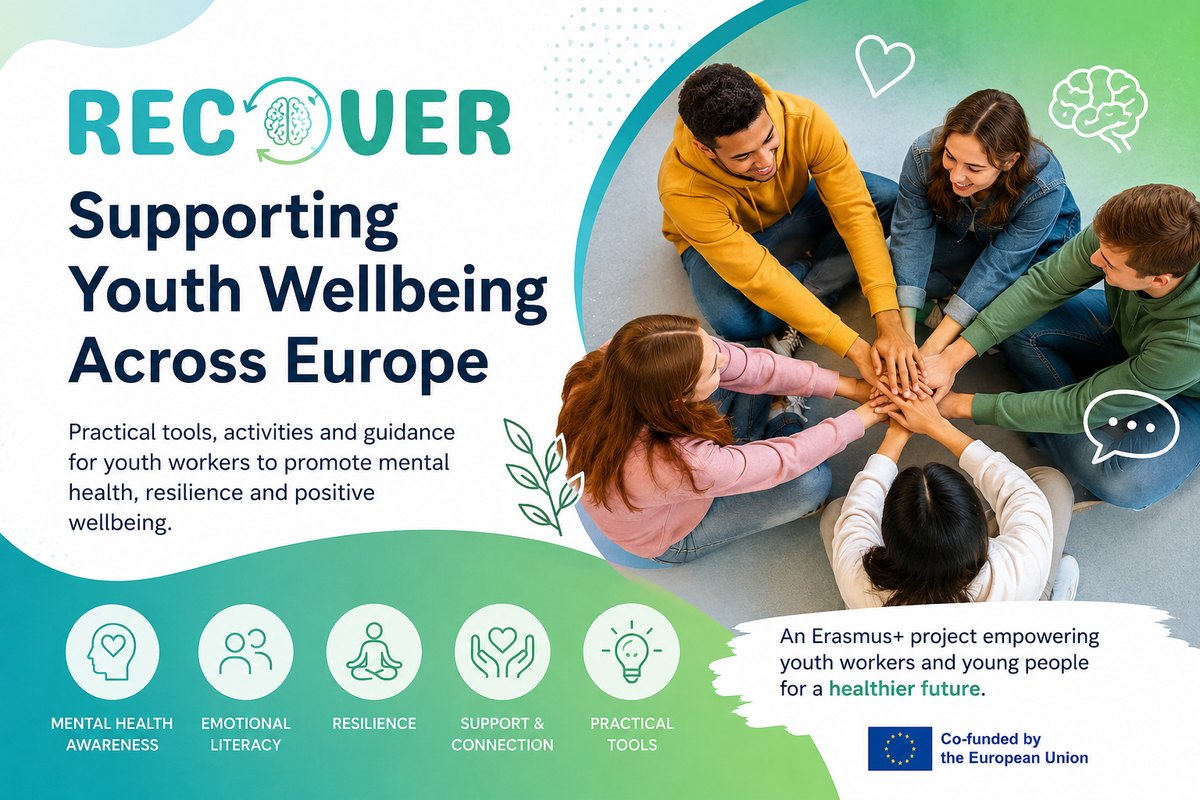
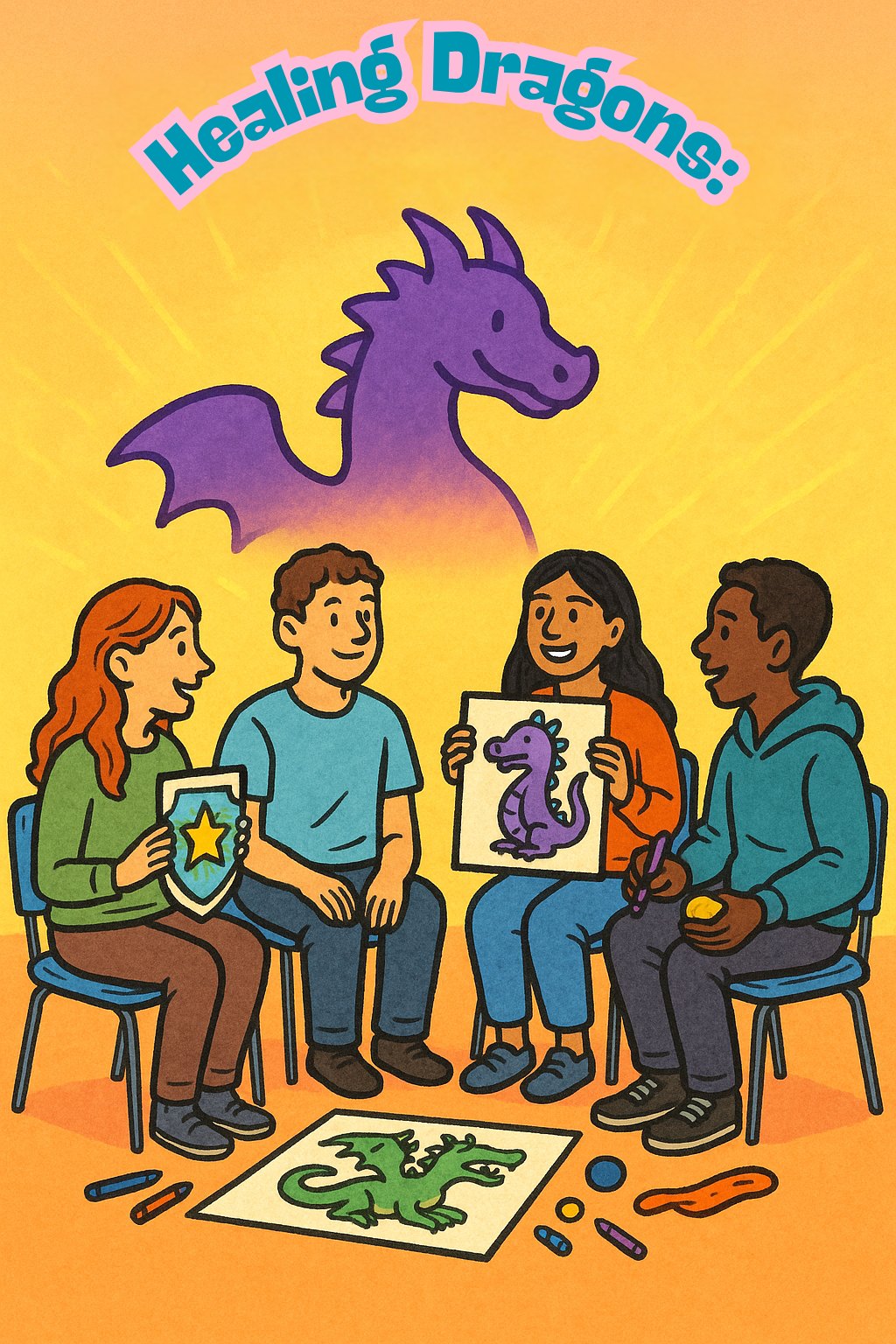
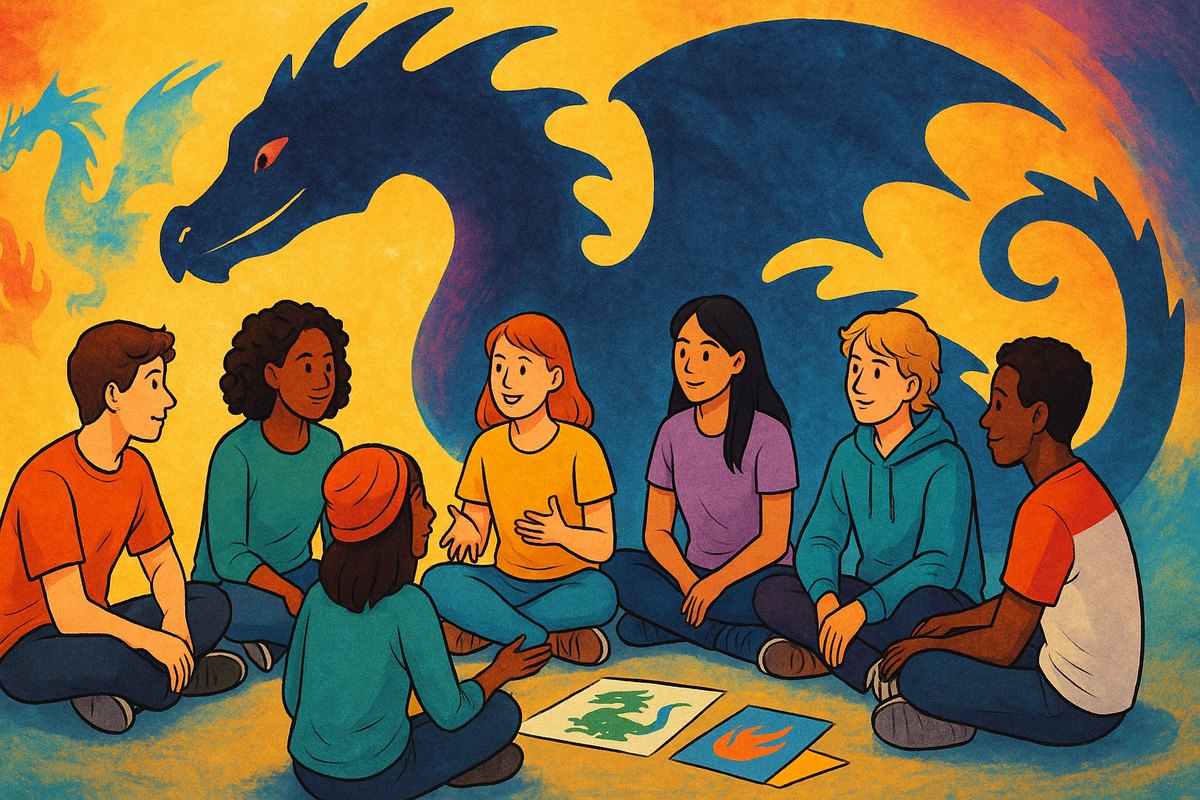
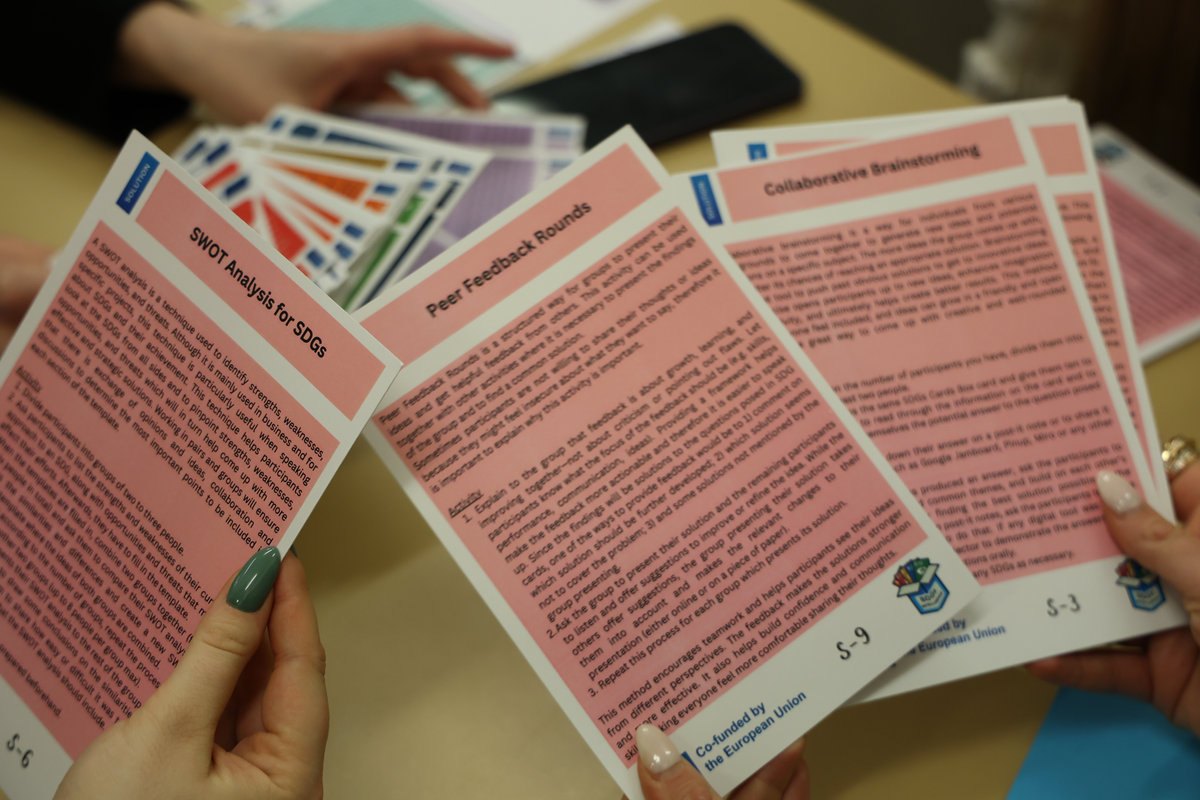
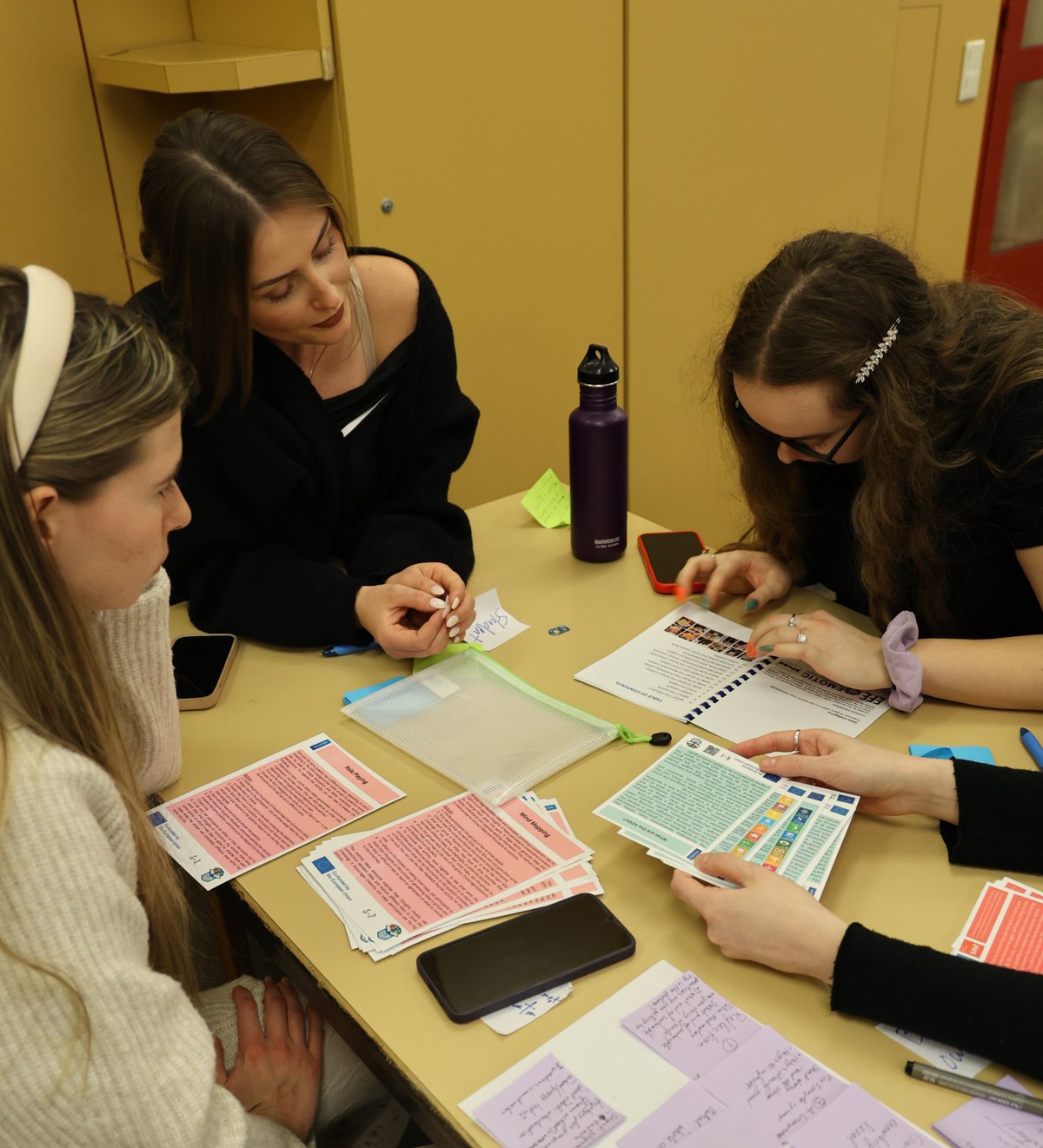
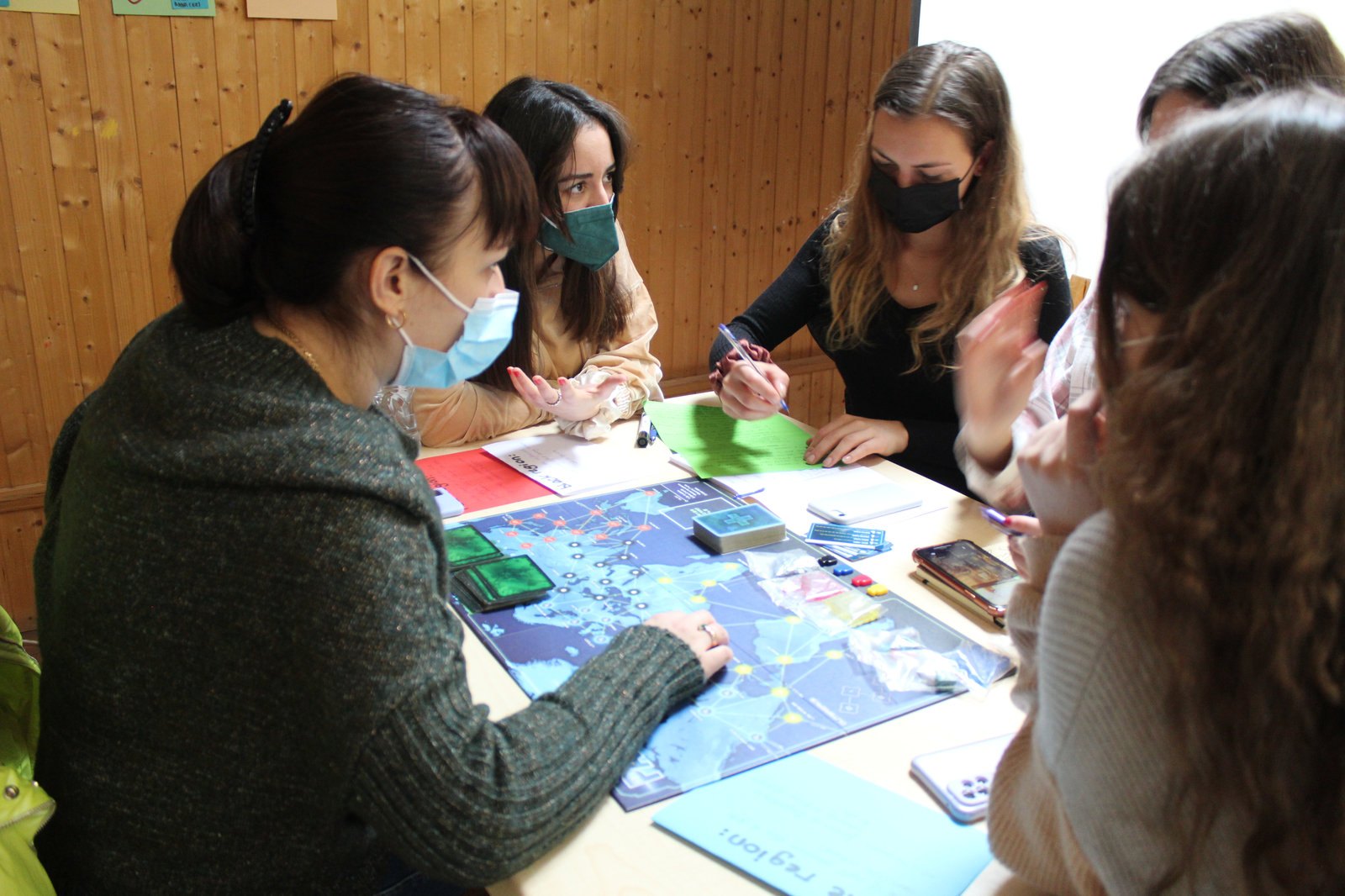
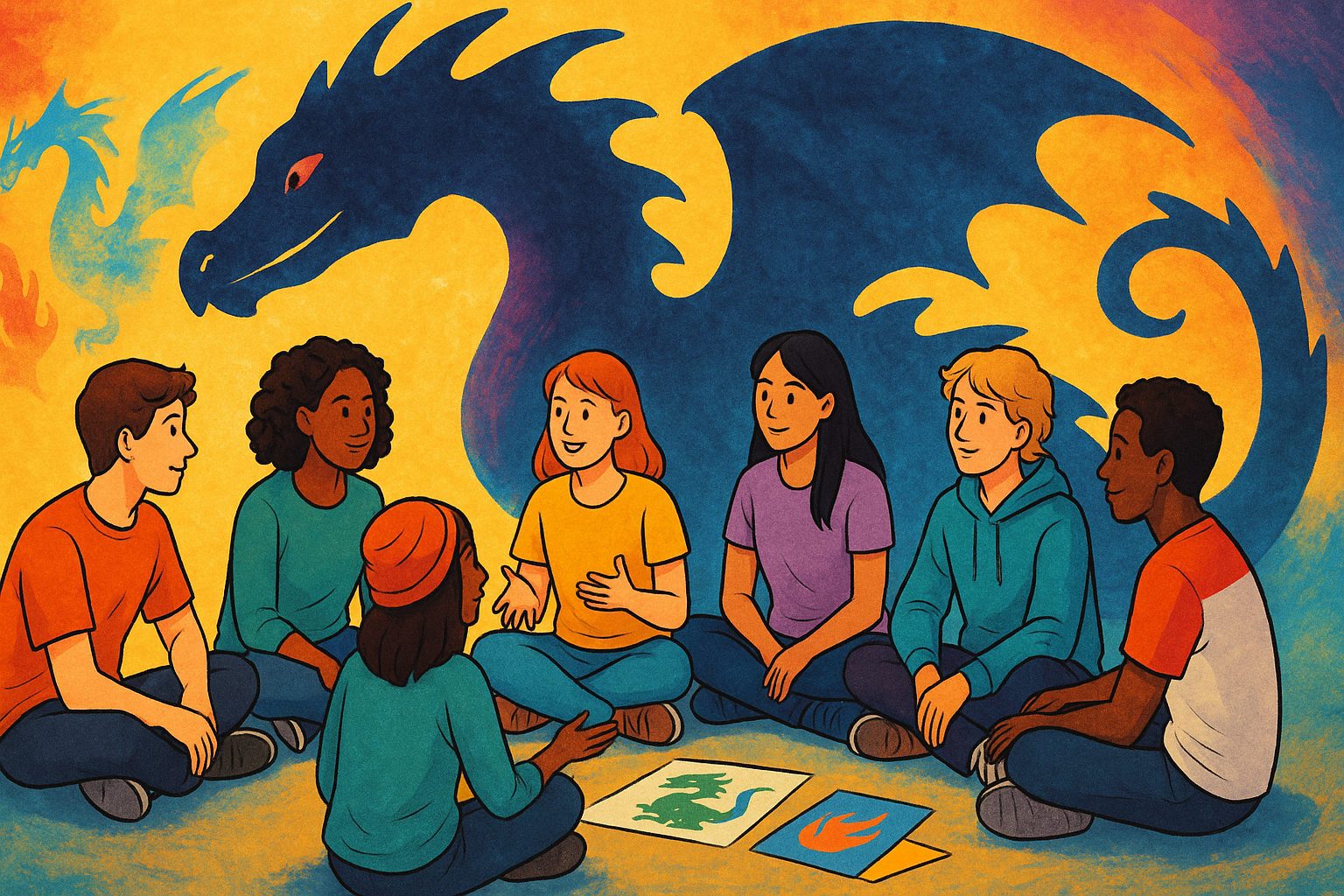
ManualRECOVER · English, German, Polish, Croatian, LatvianYouth Workers Capacitation ToolkitMore than 70 pages of assessment tools, a wellbeing framework, six modules on anxiety, depression, loneliness, low self-esteem, digital overload and helplessness, and a complete four-day workshop agenda.Read and downloadManualRECOVER · EnglishHealing Dragons: Manual for Youth WorkersA co-creative method in which young people picture their worries as dragons, draw or model them, and design their own support tools together with youth workers.Read and downloadReportRECOVER · EnglishAustria National Summary ReportWhat 15 young people and five youth workers in Vienna said about mental health in one day of creative work, and what it means for youth work in Austria.Read and downloadGame and guideSDGs Intelligence · English, Latvian, German, SlovenianSDGs Cards Box70 cards that open real dialogue on the 17 Sustainable Development Goals through ecological, social and economic lenses: 51 question cards, 9 solution cards and 10 support cards.Read and downloadGuideSDGs Intelligence · EnglishSDGs Guidebook for Youth WorkersHow to use the SDGs Cards Box in youth centres, classrooms or outdoors, with session formats and tips from the pilot workshops in Austria, Latvia and Slovenia.Read and downloadGame and manualGreen Quest · English, GermanGreen Quest: The Simulation GameA negotiation game in which players represent NGOs, developers, state agencies, tourism and farmers around a wind farm project, with a facilitator manual in English and German.See the project

Ready to use

Guides, games and videos

Materials created by participants and our team during trainings and local programmes.

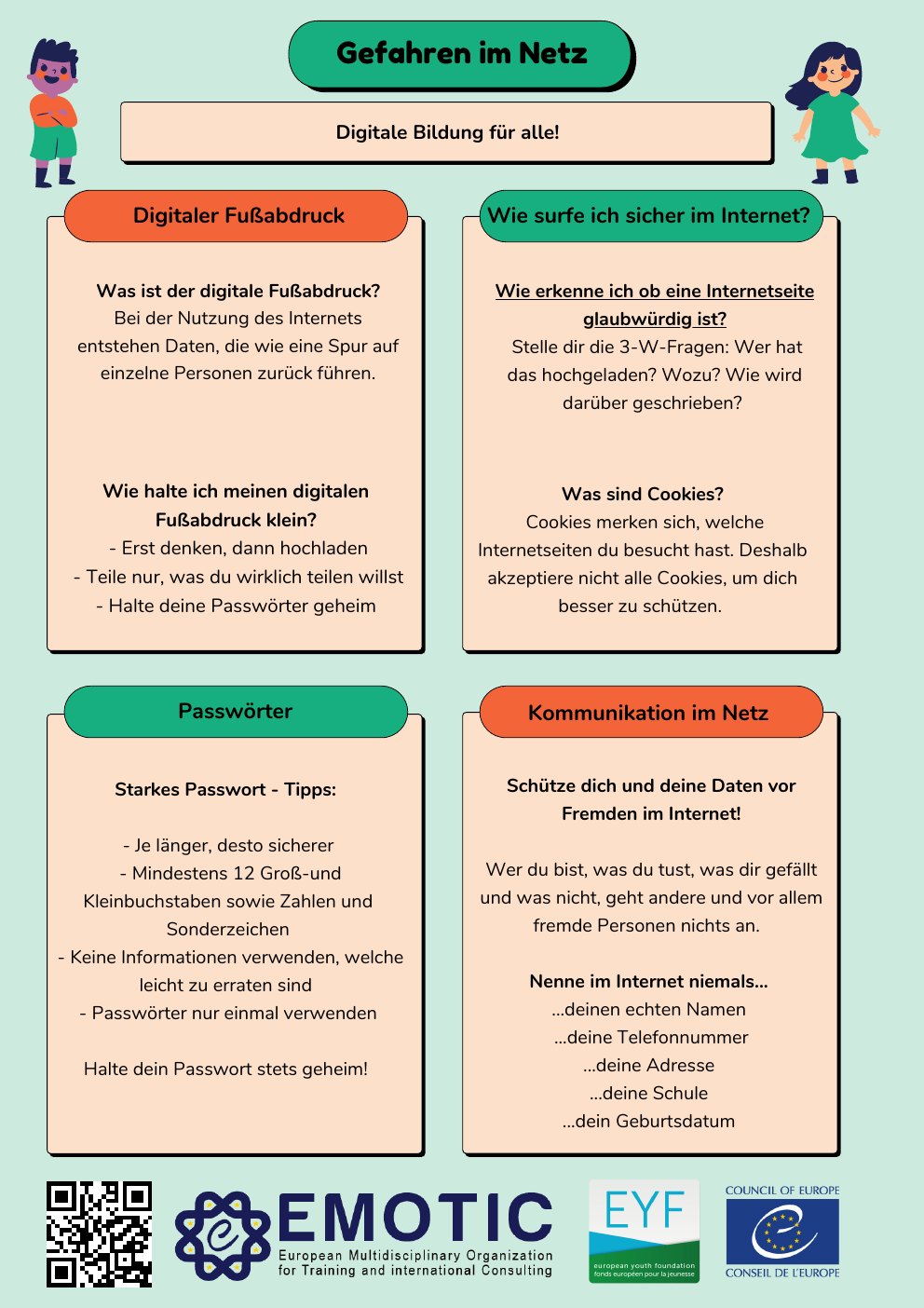
Resolutions and leafletsLocal programme · English, GermanFuture PolicyShapers materialsTwo resolutions from the model conference on climate action and on privacy and cybersecurity, a poster on the dangers of the internet and the Safe Click flyer on data protection, digital rights and fake news.Read and downloadBoard gamesReinforcing Games, Rustavi · EnglishSix educational board gamesGames on social inclusion, bullying, intercultural dialogue, democratic participation, political engagement and STEM, designed by 27 youth workers; one is taught at the University of Rijeka.Read the reportVideo seriesCommunity Conflict Transformation · EnglishConflict transformation in seven videosConflict, conflict analysis, the problem tree, the PIN model, actors mapping and online and offline interventions, explained by the training team.Watch on YouTubeVideo seriesEmbracing Diversity and Inclusion · EnglishDiversity and inclusion explained by participantsShort videos on diversity, inclusion, integration, tokenism, ethnocentrism and more, made by the participants of the youth exchange in Vienna.Watch on YouTubeOnline coursesE-learning · EnglishENGAGE and EASYOpen online courses from European Erasmus+ projects, free to follow at your own pace.Go to E-learningPodcast and exhibitionENGAGEMENT 1.0 · English, GermanYouth initiatives from ViennaA podcast on youth mental health, a networking event and a photo competition that promotes diversity, created by the participants of our first local programme.Read the report

From our own work

Experience reports

What happened in our trainings, exchanges and local programmes, what we learned and what the participants did afterwards.

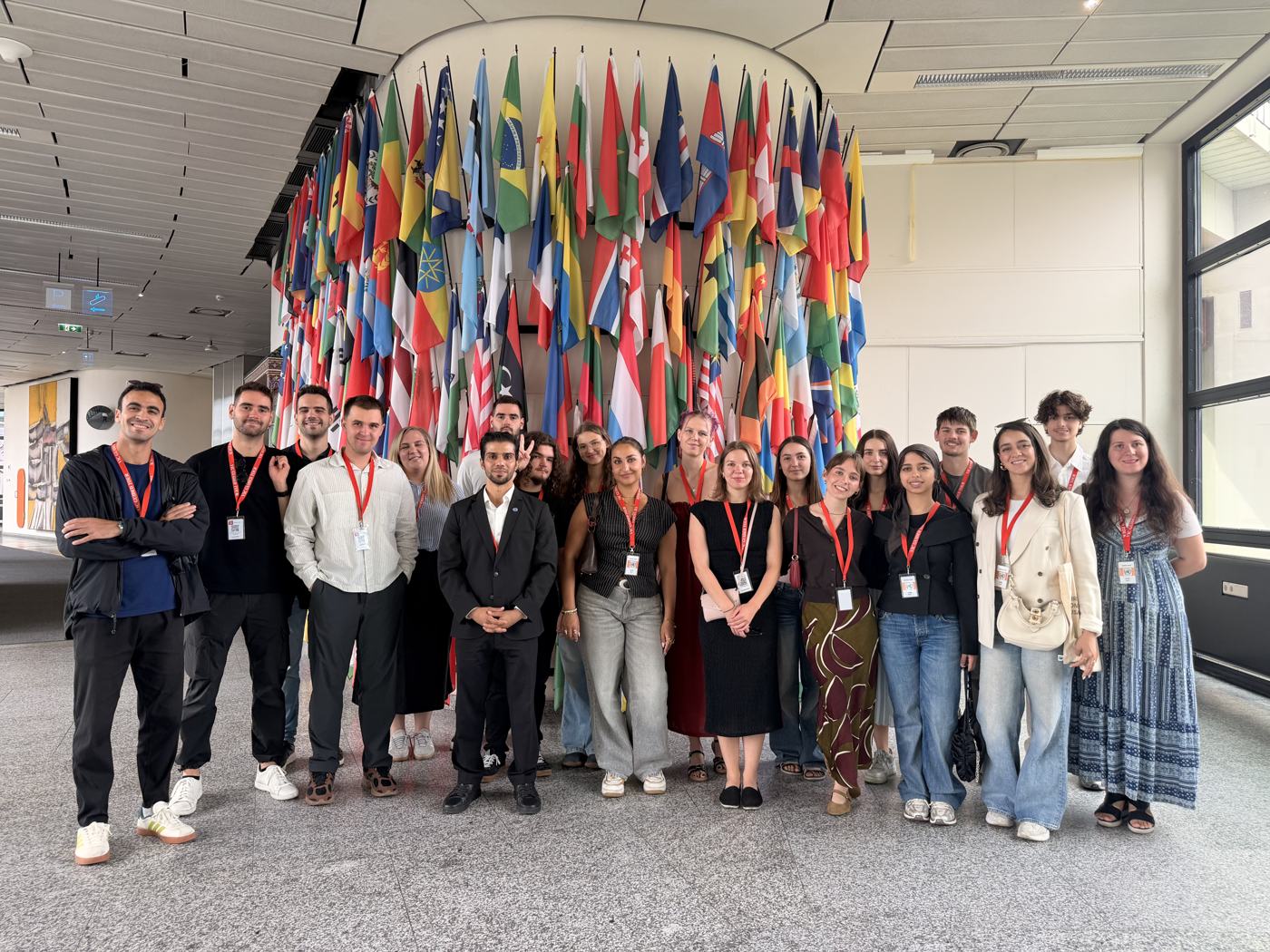
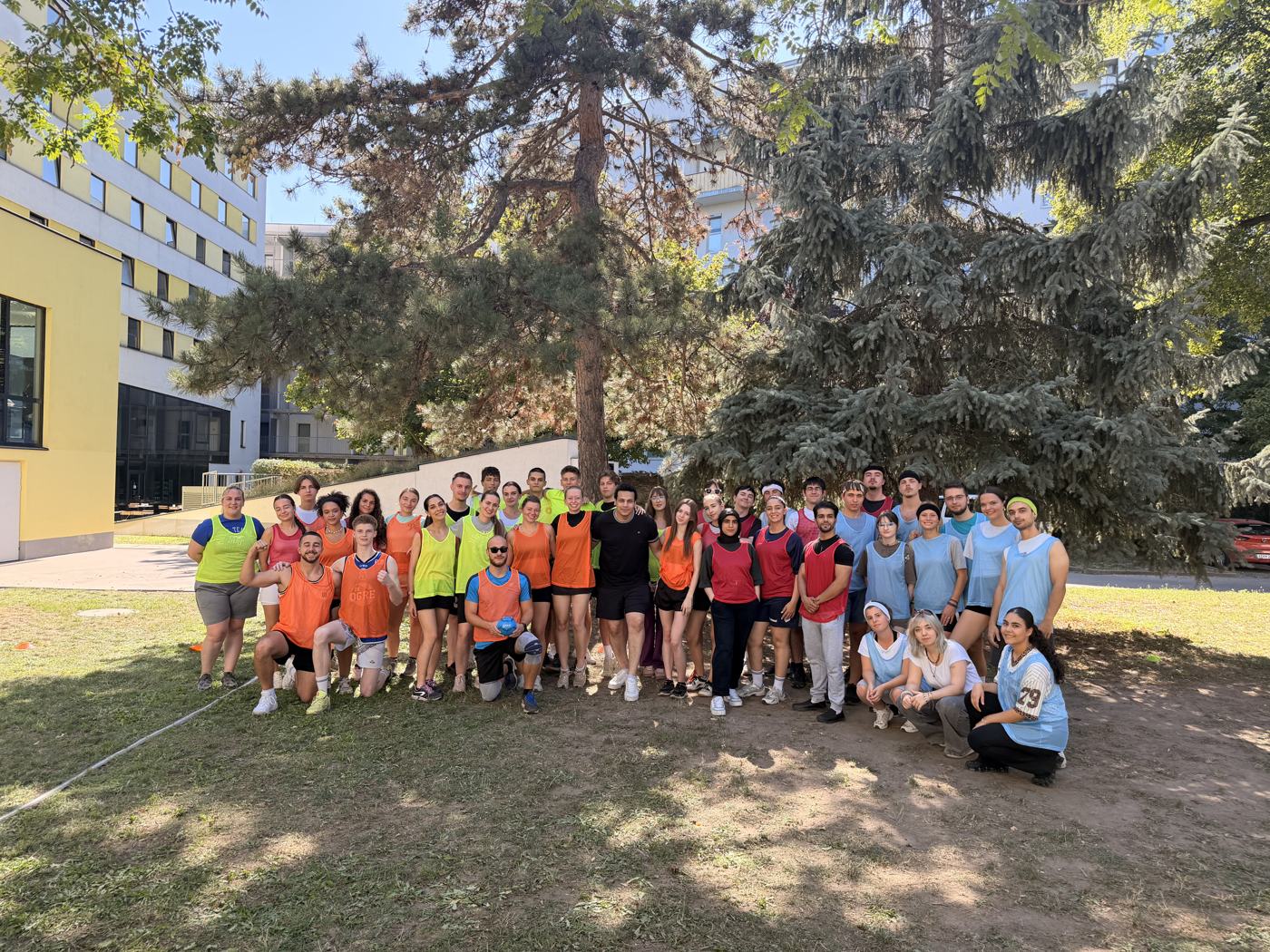
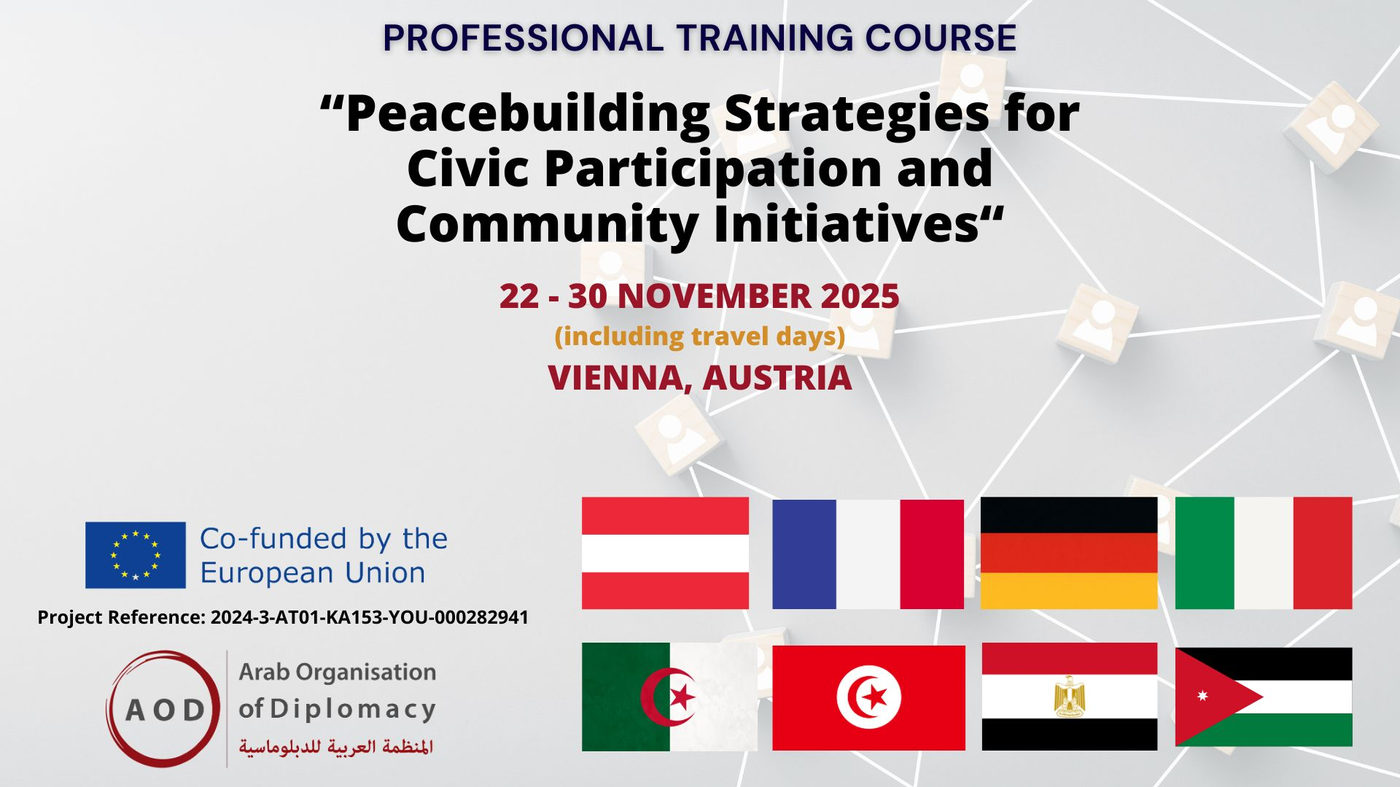
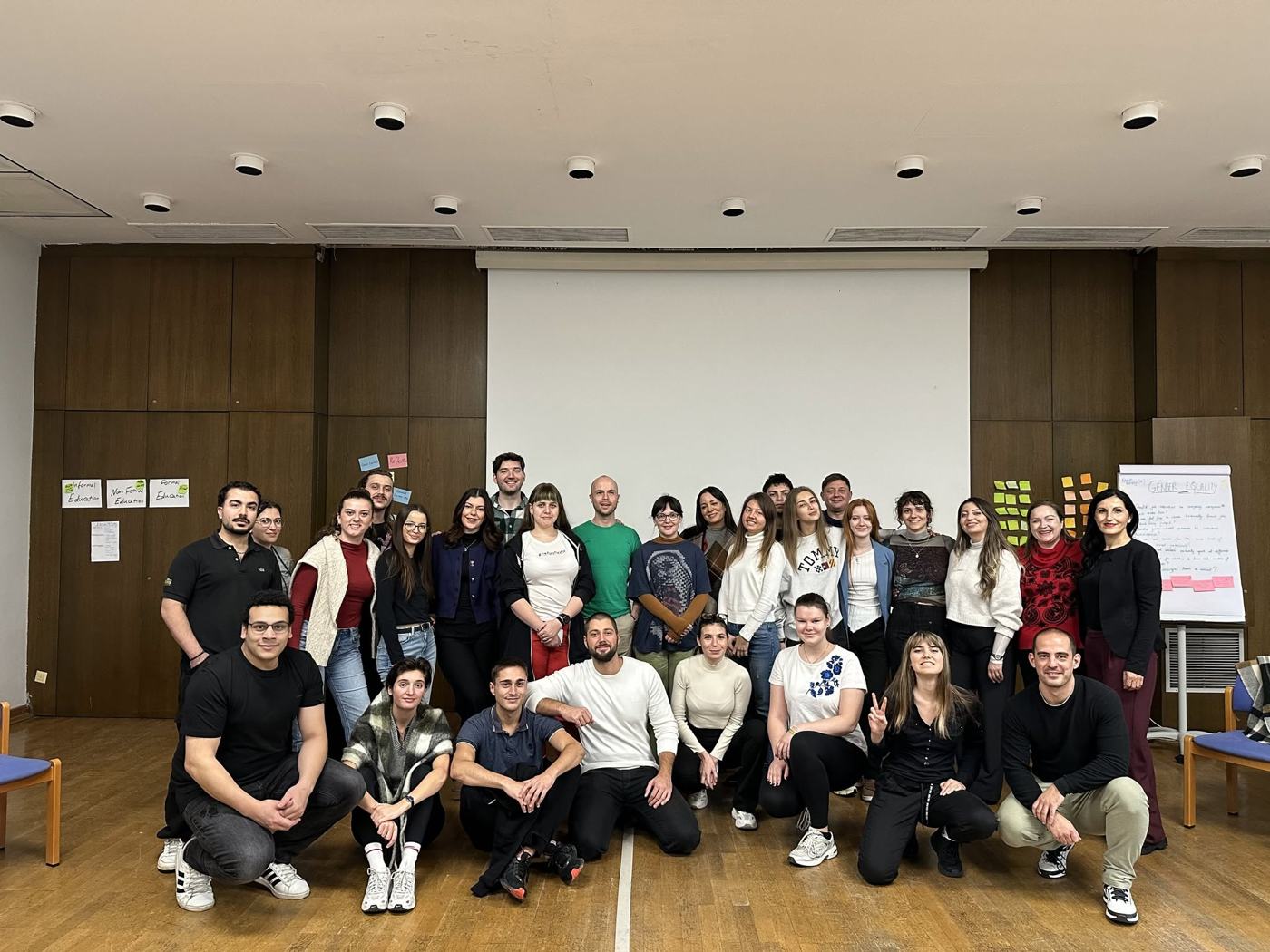
Report, 19–26 August 2026Youth exchange: ECOuprising, ViennaReport, 12–19 August 2026Youth exchange: Flying Beyond the Hoops!, ViennaReport, 22–30 November 2025Training course: Peacebuilding Strategies for Civic Participation, ViennaReport, 10–17 October 2025Training course: Non-formal Education from Theory to Praxis, ViennaReport, 7–14 August 2025Youth exchange: Don't let the Muggles get you down!, ViennaReport, 20 March 2025SDGs Intelligence: Youth-led dialogues for a sustainable futureReport, 19 March 2025Slaying our inner dragons: a one-day workshop on mental health in ViennaReport, 24 November – 1 December 2024Training course: Participatory and Emancipatory Approaches for Youth Work, ViennaReport, 9–16 November 2024Training course: Transformative Mindset for Sustainable Development, ViennaReport, 1–8 November 2024Youth exchange: Echoes of Environment and Digitalisation, ViennaReport, 13–20 October 2024Training course: Revitalizing Ecosystems Through Experientialisation, ViennaReport, 24–31 August 2024Training course: Gamification for Environmental Sustainability, ViennaReport, 1–8 August 2024Youth exchange: Nurturing Earth and Wellbeing, ViennaReport, 4–11 November 2023Training course: TransformAction: Countering Social Conflicts in Youth Work, MarkutiškėsReport, 18–25 August 2023Training course: Outdoor Education for Wellbeing, Environment and Inclusion, ViennaReport, 30 November 2023Training course: Community Conflict Transformation, ViennaReport, 8 January 2023Youth exchange: Embracing Diversity and Inclusion, ViennaReport, 1 July 2022Youth exchange: Plant the Future, ViennaReport, 8 May 2022Training course: Community Social Peacebuilding, ViennaReport, 1 May 2022Training course: Reinforcing Games as an Educational Tool, RustaviReport, 26 February 2022Training course: Future PolicyShapers, ViennaReport, 31 August 2021Training course: Grassroots Conflict Transformation, Vienna

Tips and tricks

Short, practical notes from our team

Four methods we use in almost every project. Each one fits on a page and works the next day; more follow as our team writes them up.

Share a tip with us
Tip 1

Run a reflection circle

15 to 20 minutes at the end of every project day

  1. Sit in a circle without tables. One facilitator, one question at a time.
  2. Open with “one word for today”, then “what surprised you?” and “what will you take with you?”.
  3. Everyone speaks once, nobody comments. The facilitator thanks the group and sums up in two sentences.
  4. Write down the themes that came up and adjust the next day’s programme before you go to bed.
Tip 2

Prepare an Erasmus+ info pack

One PDF, six pages at most, sent four weeks before the mobility

  1. Page one: dates, venue, accommodation, how to get there from the airport and the daily rhythm.
  2. Page two: money. What is covered (board, lodging, travel up to the distance band), how reimbursement works and which documents to keep.
  3. The programme outline and the learning goals, so participants arrive with the right expectations.
  4. Contact persons of host and sending organisation and a short “what if” list: lost passport, illness, early departure.
Tip 3

Keep a group energised on day five

The slump is normal; plan for it instead of fighting it

  1. Put the hardest session in the morning. After lunch, work outdoors or in small groups.
  2. Hand one slot to the participants: an intercultural evening, a skills swap, a session they design.
  3. Short energisers every 60 to 90 minutes, chosen and led by participants from day three on.
  4. Keep a free afternoon between day four and day six. Tired people learn less.
Tip 4

Set up a community of practice

For youth workers who want to keep learning after the project

  1. Start with five to eight people who share a question, not a job title.
  2. Meet at a fixed rhythm (every six weeks works well), 90 minutes, one real case from the group each time.
  3. Rotate the host and the note-taker. Keep one shared document with cases, methods and open questions.
  4. Open the group to new members once a year and close threads nobody has touched for six months.

Members, volunteers, interns and partners are welcome to contribute a short tip, a method description or an experience report. We edit it with you and publish it here under your name.

Organisational support

Our policies and working documents

The documents that guide how we work: how we keep participants safe, how the organisation is run and how we manage projects. We share them so participants, parents, partners and funders can see our standards, and so other youth organisations can adapt them for their own work.

Ask for a document

{{g.title}}

{{d.status}}

{{d.title}}

{{d.text}}

Tell us who you are and the download starts. You only fill this in once per visit.

{{errorText}}

{{thanksText}} Your download has started. If it did not, use the button below.

Download PDF

Download any of these documents for free after a short form with your name, email, organisation and country. Other organisations are welcome to adapt them with credit to EMOTiC. If you need a document that is not listed yet, write to us.