Echoes of Environment and Digitalisation, subtitled Audio-guides for Awareness-Raising and Learning, was an Erasmus+ youth exchange held in Vienna from 1 to 8 November 2024, travel days included. It was coordinated by Ecological Future Education from Latvia, with EMOTiC as partner and host, and brought together around 40 participants from eight countries, young people and their group leaders. The other partners were EAST (Croatia), Active Green Solution (Greece), Petrklíč help, z.s. (Czechia), IKReON (Slovakia), EPEKA (Slovenia) and Inkluzivni pokret (Serbia).
All news
Report
1–8 November 2024, Vienna
3 min read
Youth exchange: Echoes of Environment and Digitalisation, Vienna
~40
Participants
Young people and their group leaders, around 40 in total
8
Countries
Austria, Croatia, Czechia, Greece, Latvia, Serbia, Slovakia, Slovenia
8
Days in Vienna
1–8 November 2024, travel days included
Why audio guides
Climate misinformation and unengaging ways of learning often make environmental problems feel distant, as if pollution, recycling, supporting local initiatives or habits such as littering had little to do with daily life. Immersive tools, podcasts and audio storytelling can change this perception and bring environmental issues closer to everyday life.
Creators and learners
In this youth exchange, participants became both creators and learners, developing interactive audio guides on environmental issues while building transversal skills for climate action. The project explored the interplay between environmental sustainability and digitalisation, the role of digital tools in environmental activism and problem-solving, and practical eco-friendly habits such as reducing waste and more sustainable digital practices.
The week in Vienna
Each programme day had a focus: introduction and background, environmental awareness and issues, digitalisation and immersive learning, audio guides and storytelling, creating and recording new audio guides, and bringing it all together. National groups opened with environmental presentations and concepts. The programme then included a City Challenge, an immersive simulation built around an audio-guide experience, and sessions on eco-narratives, interactions and theatre, and writing and storytelling. The final days were set aside for group story writing, finalising and testing the recordings, and presenting planned actions for feedback.
How we learned
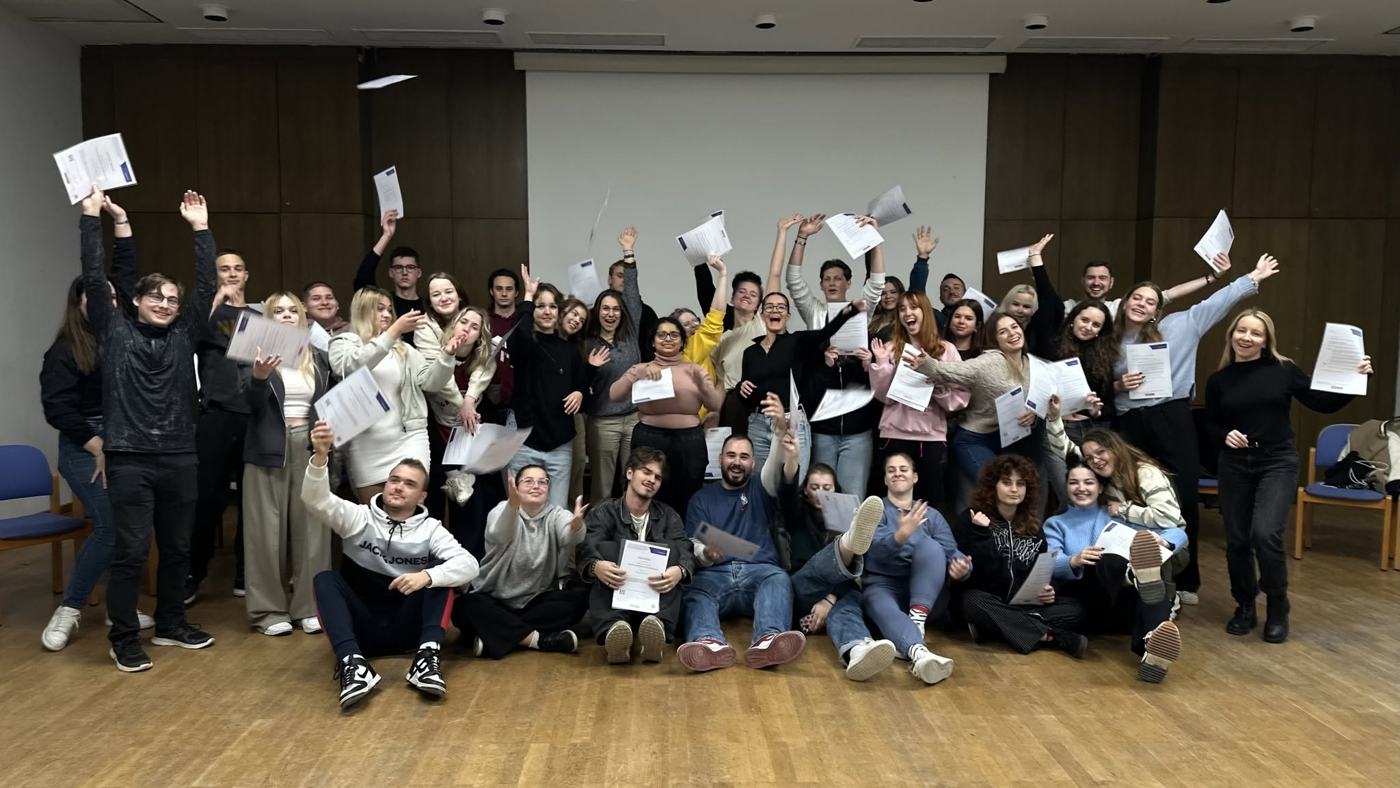
Three methods shaped the learning: learning by experience, digital creativity for environmental change using tools such as audio guides, apps and multimedia platforms, and learning through nature, combining outdoor learning with digital tools. Participants were asked to bring a mobile phone, headphones and a laptop. Daily reflection, a mid-term evaluation, intercultural talks and community evenings completed the programme, which closed with personal goal setting, a celebration, the evaluation and Youthpass.
Who took part
Participants were aged 18–25, or 15–25 for local participants from Austria, with four young people and a group leader from each partner country. They needed to communicate confidently in English and commit to the whole learning process, but no previous experience of Erasmus+ or sustainable development was required.
Before and after Vienna
After a preparation phase in October 2024 and the week in Vienna, participants returned home to carry out follow-up projects in their communities during November and December 2024.
Impressions
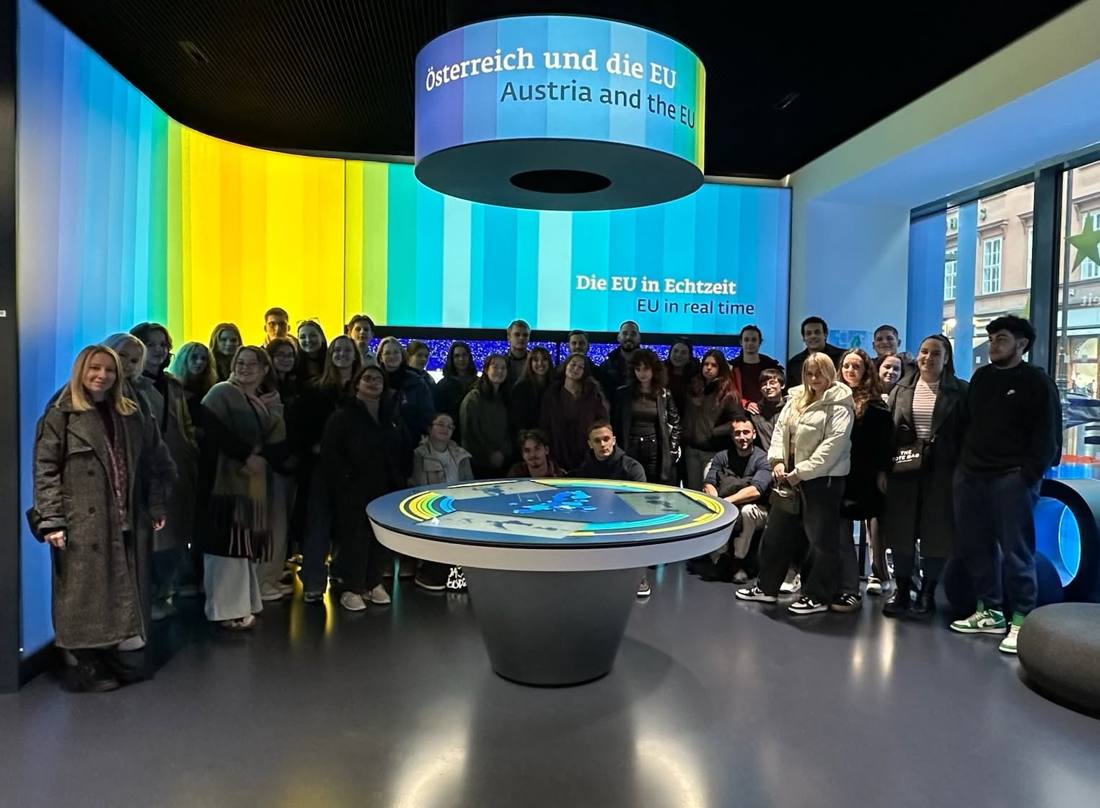
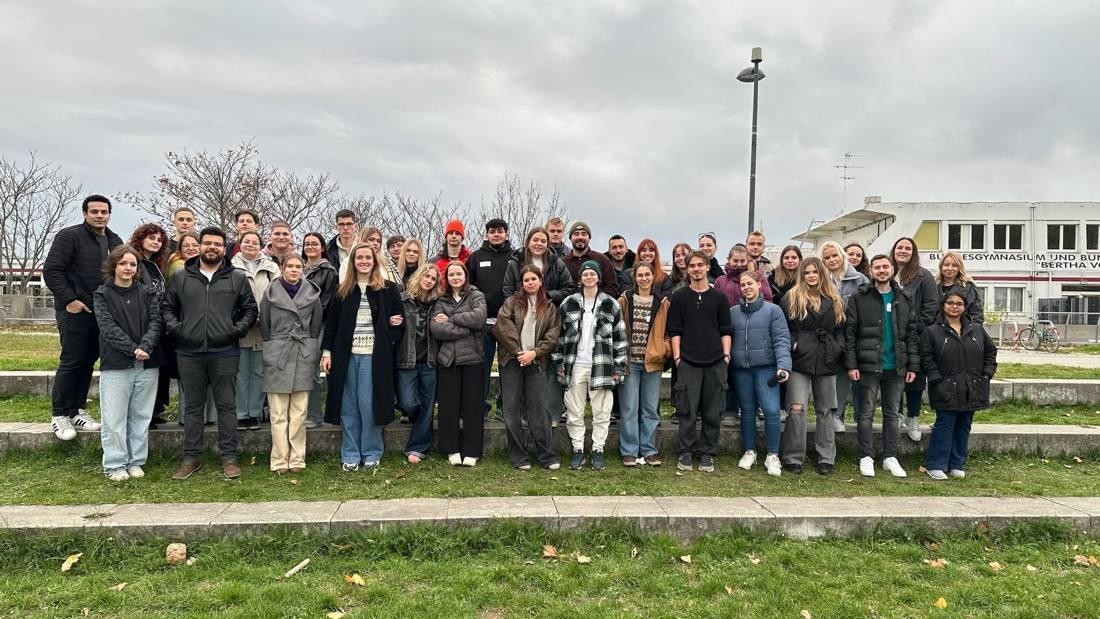
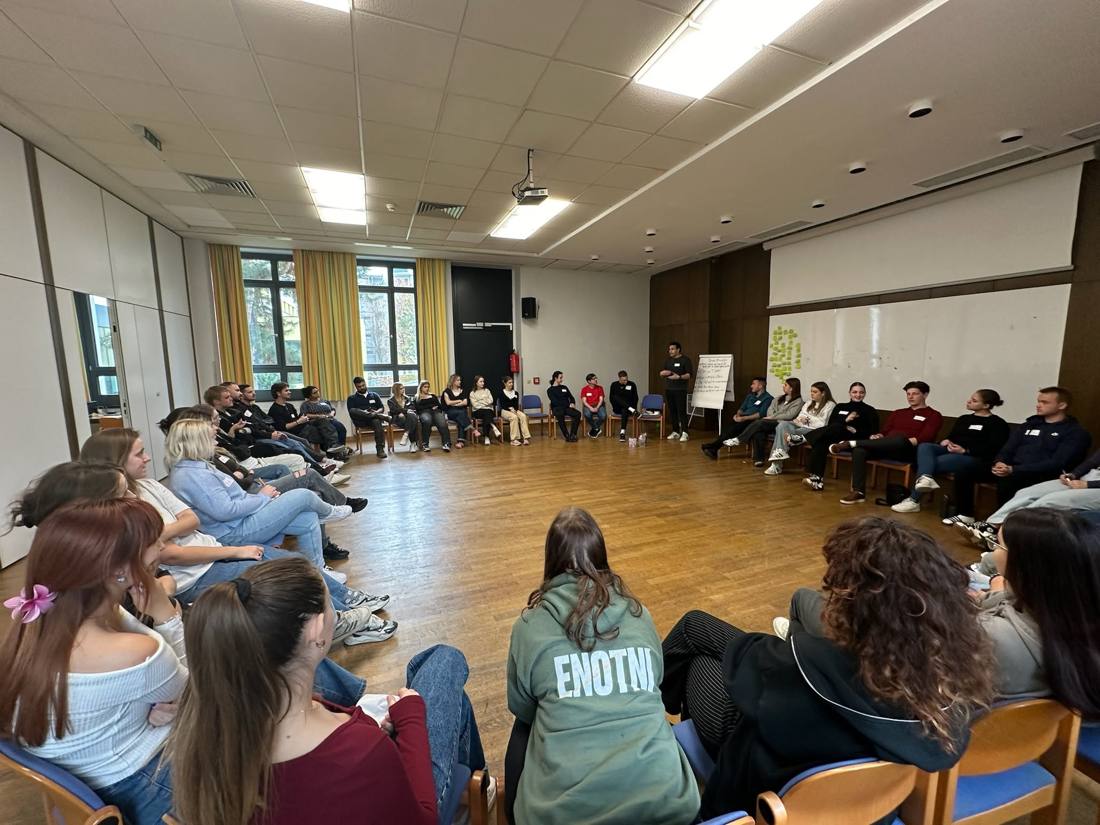
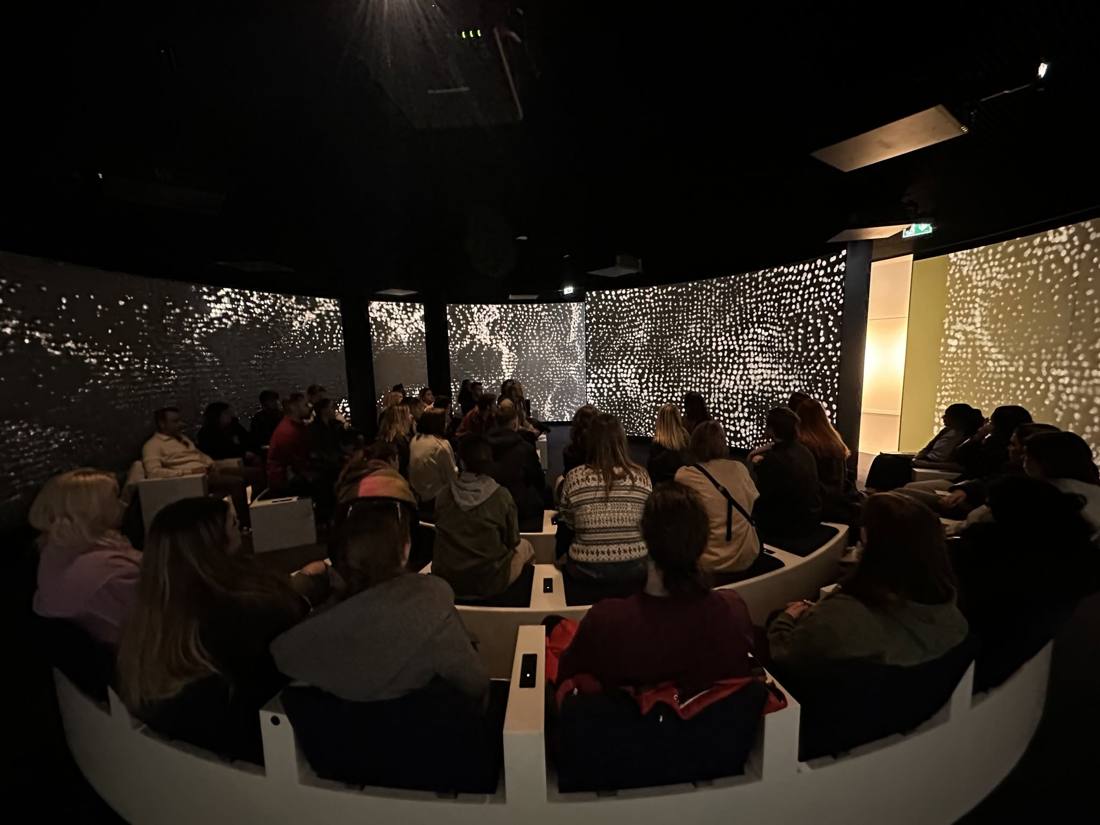
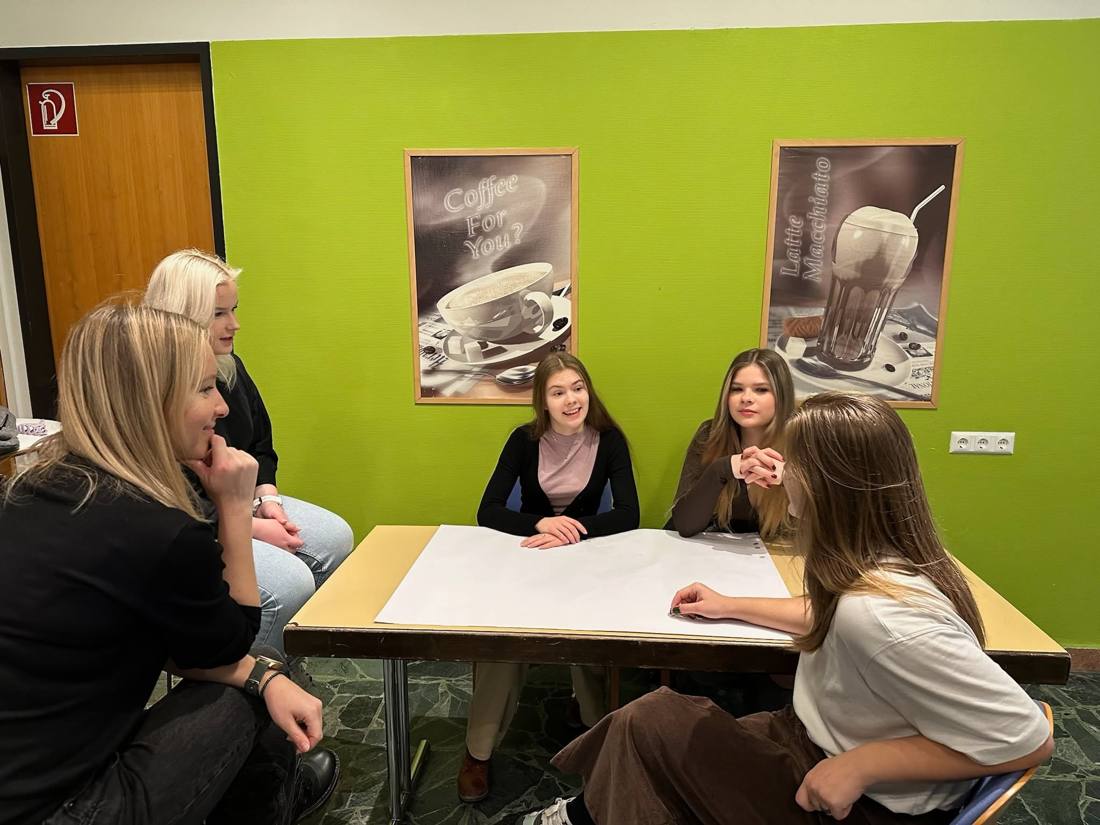
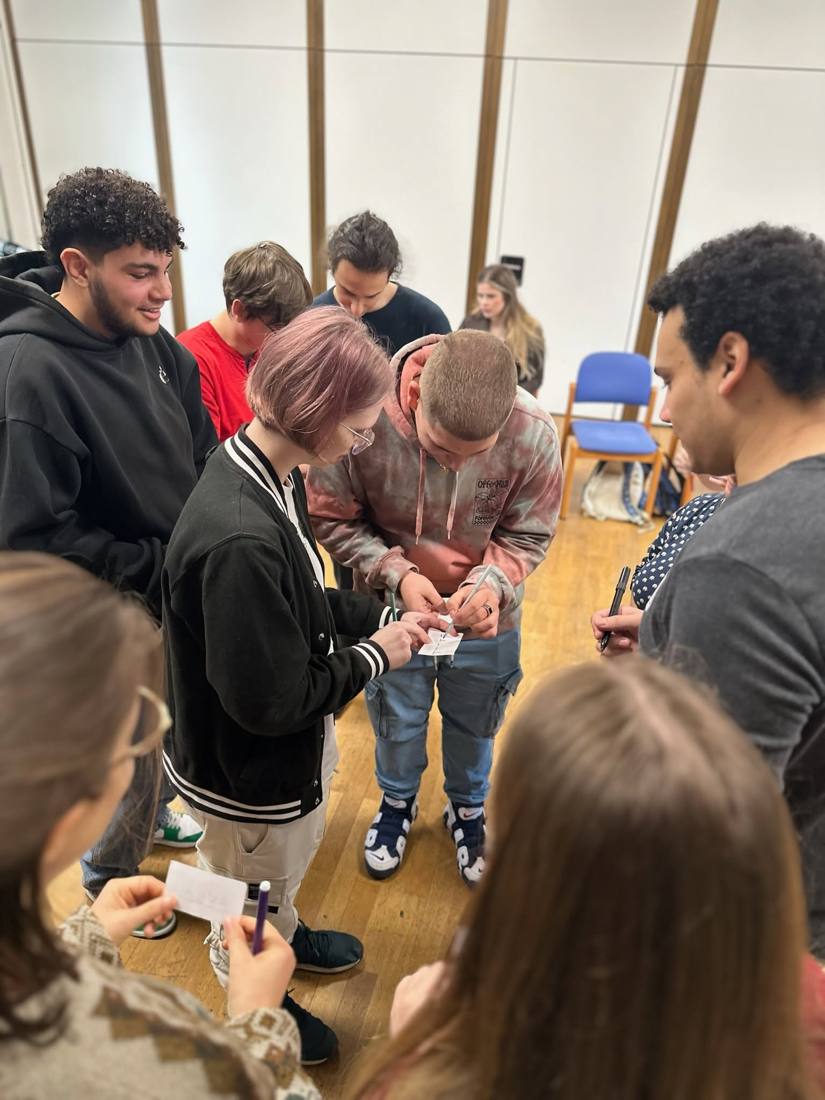
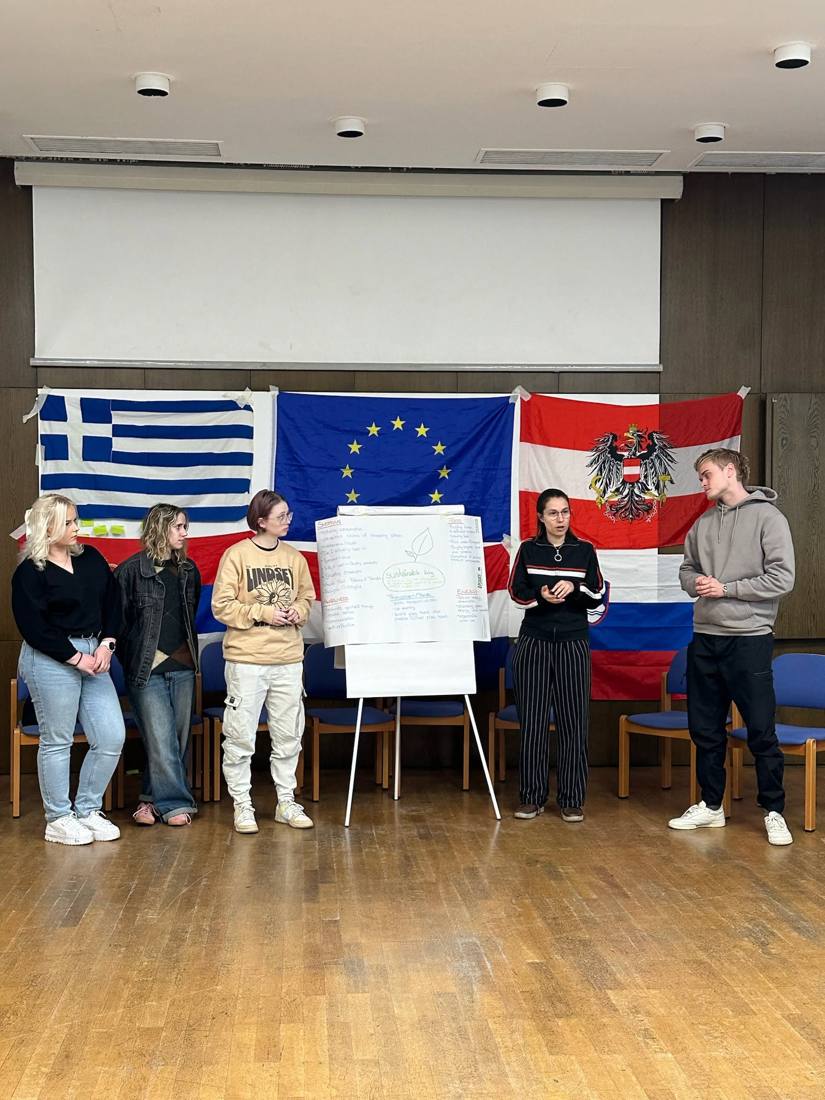
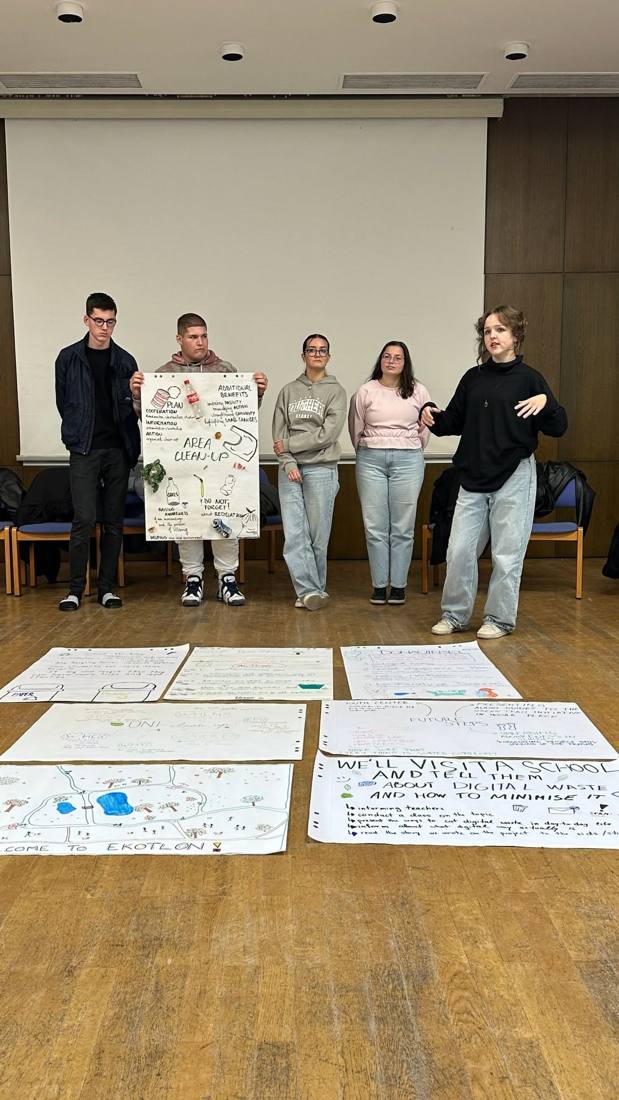
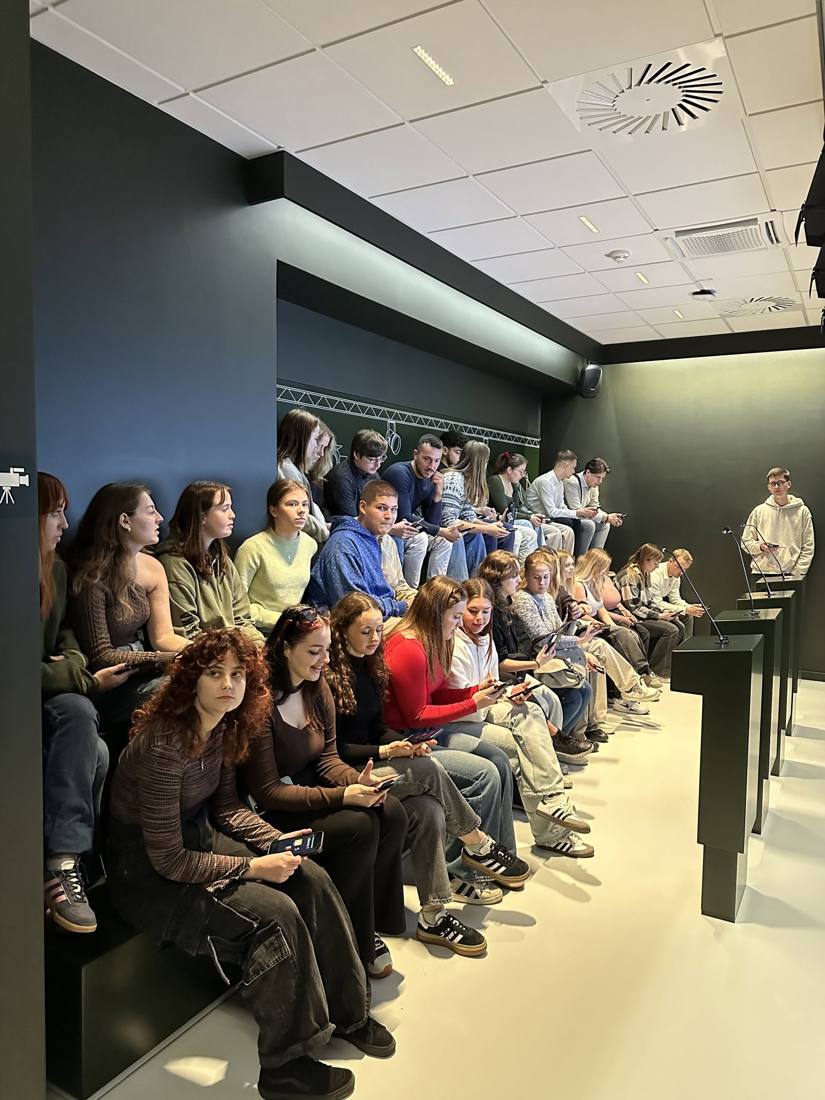
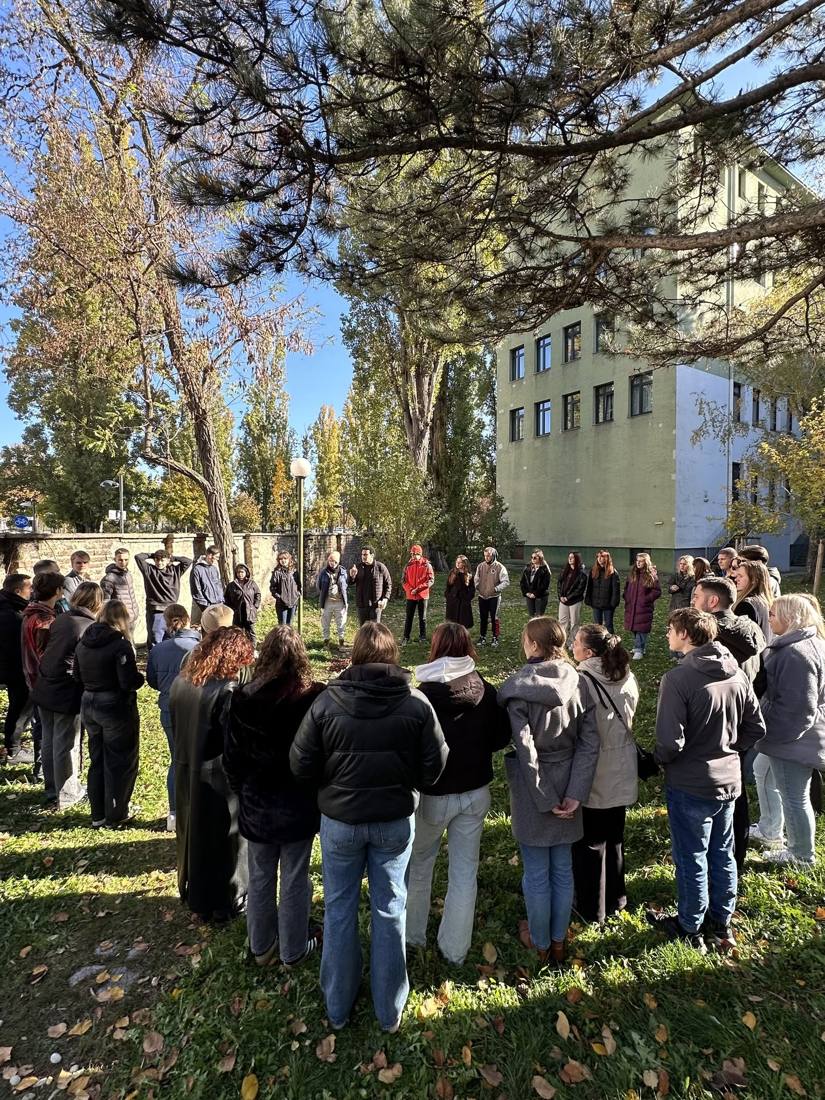
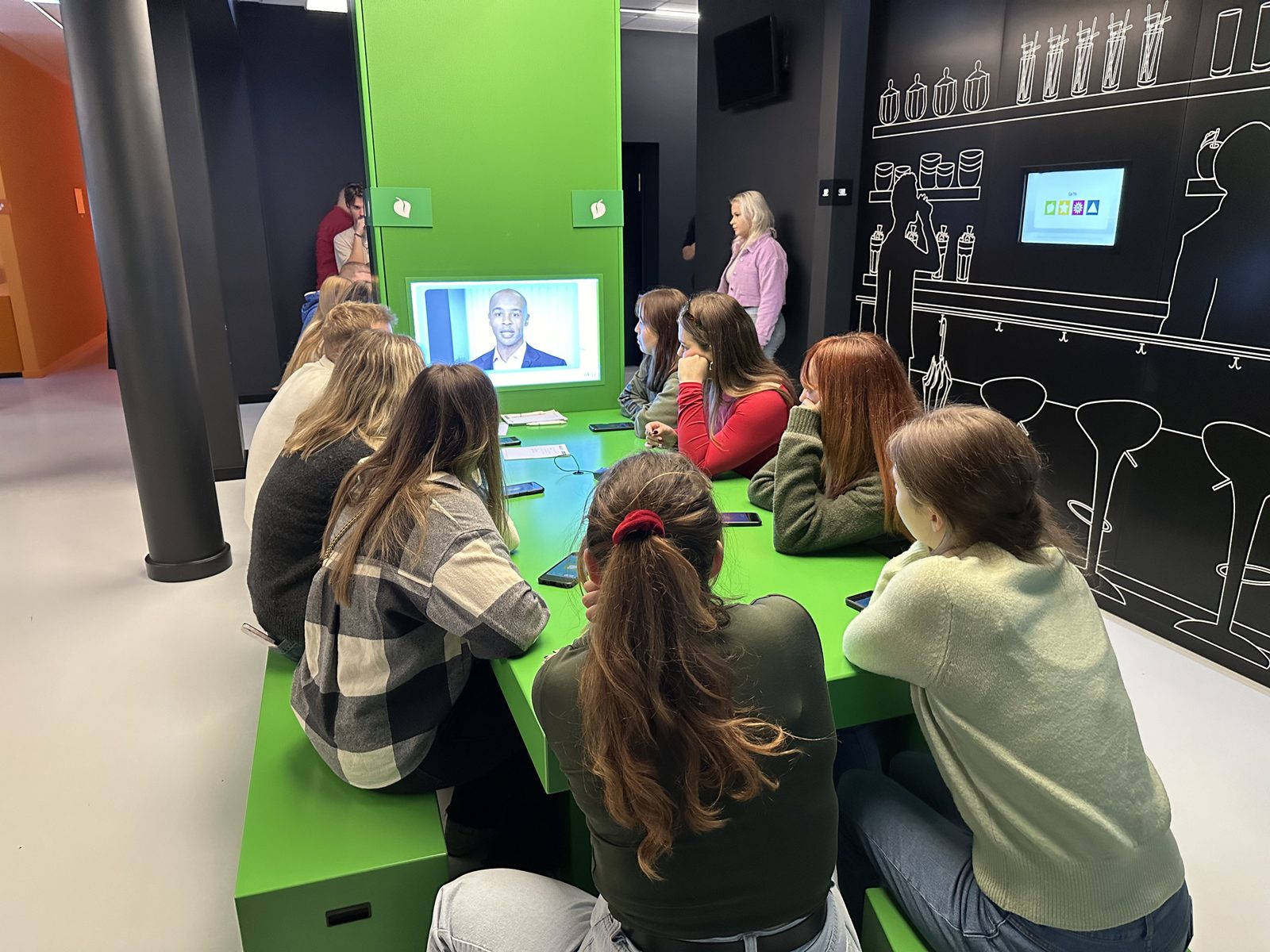
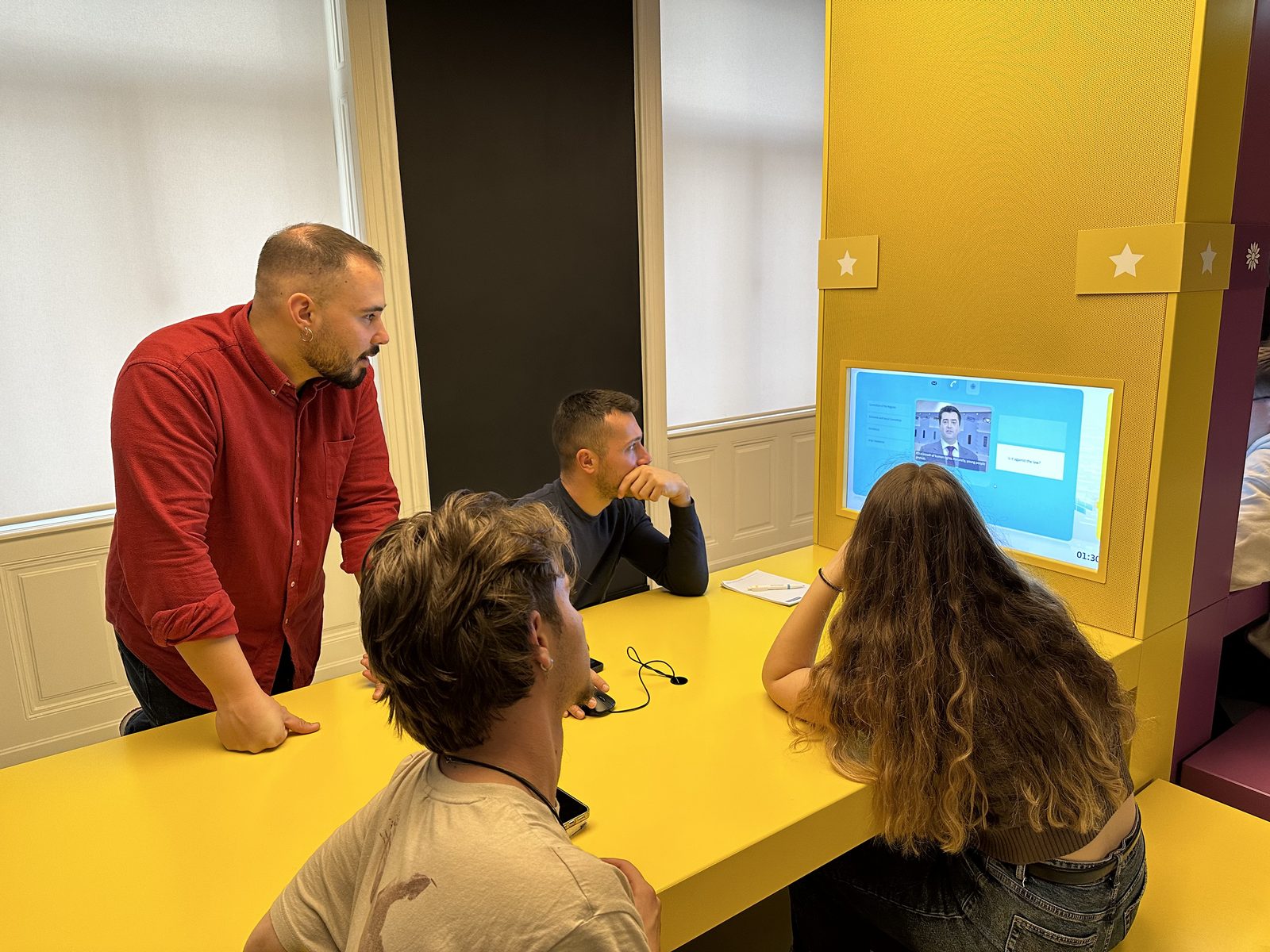

This international project was co-funded by the Erasmus+ Programme of the European Union through the Latvian National Agency. It was coordinated by Ecological Future Education (Latvia), with EMOTiC as partner and host.
Partners: EAST (Croatia), Active Green Solution (Greece), Petrklíč help, z.s. (Czechia), IKReON (Slovakia), EPEKA (Slovenia), Inkluzivni pokret (Serbia).
Project reference: 2024-1-LV02-KA152-YOU-000210191
Erasmus+Youth exchangeEnvironmentDigitalReports