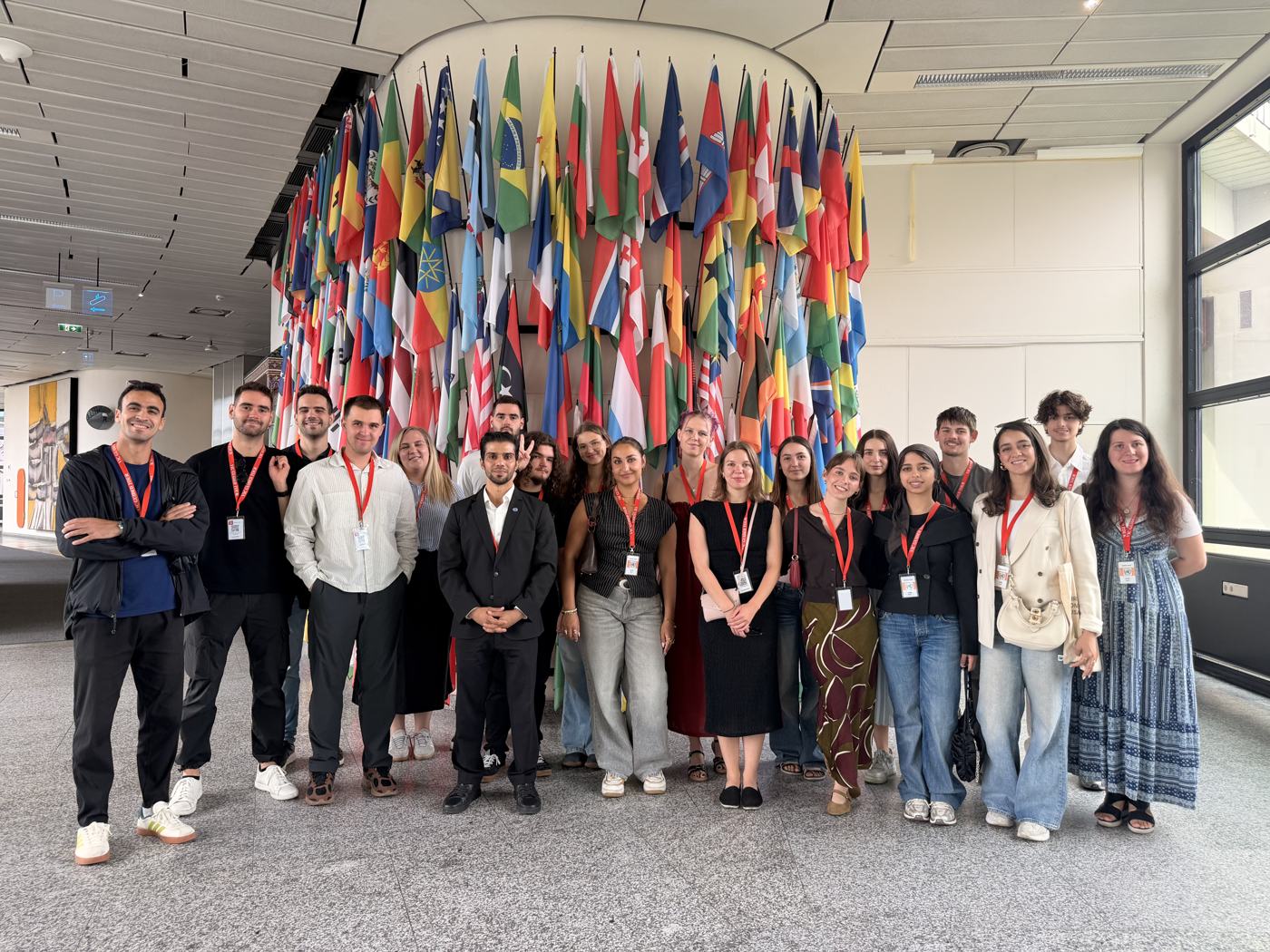
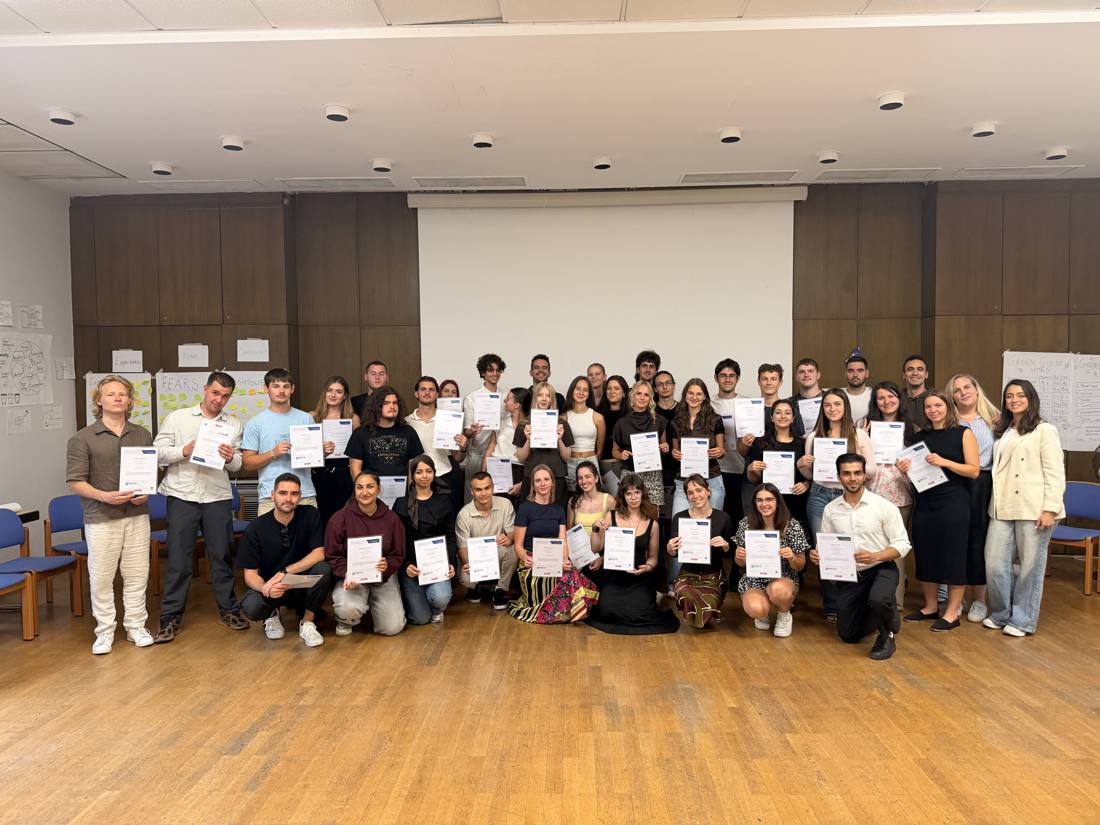
ECOuprising was an Erasmus+ youth exchange hosted by EMOTiC in Vienna from 19 to 26 August 2026, travel days included. It brought together 44 people, 35 young participants, 7 group leaders and 2 facilitators, from Austria, Croatia, Czechia, Greece, Latvia, Serbia and Slovakia. EMOTiC was the coordinator and host, and the group lived and worked together at the Jugendgästehaus Wien Brigittenau.
44
Participants
35 young people, 7 group leaders and 2 facilitators
7
Countries
Austria, Croatia, Czechia, Greece, Latvia, Serbia, Slovakia
8
Days in Vienna
19–26 August 2026, travel days included
Why ECOuprising
The project responded to an urgent need. Across Europe, climate change, pollution, unsustainable consumption and biodiversity loss directly affect young people's lives. Many young people are motivated to act but lack practical tools, international cooperation and spaces where their ideas can turn into meaningful action. ECOuprising set out to offer that space.
What the exchange covered
The exchange focused on sustainability, climate action, biodiversity, greenwashing, responsible consumption, the circular economy, human rights, eco-anxiety, wellbeing and active citizenship. It had two dimensions: understanding sustainability, climate responsibility and eco-anxiety, and developing practical eco-solutions, community initiatives and everyday green habits. Environmental games, creative workshops, Land Art, outdoor learning and study visits to urban-greening initiatives helped participants connect global challenges with everyday life.
A week of eco-action
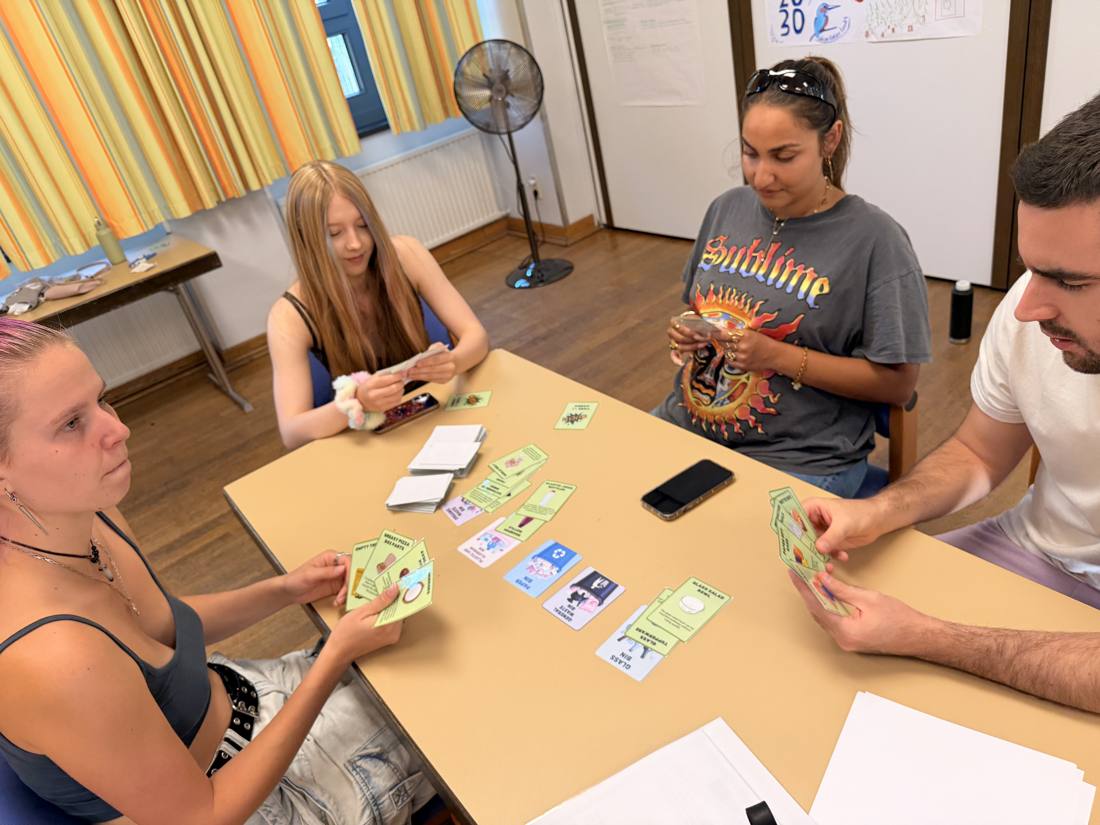
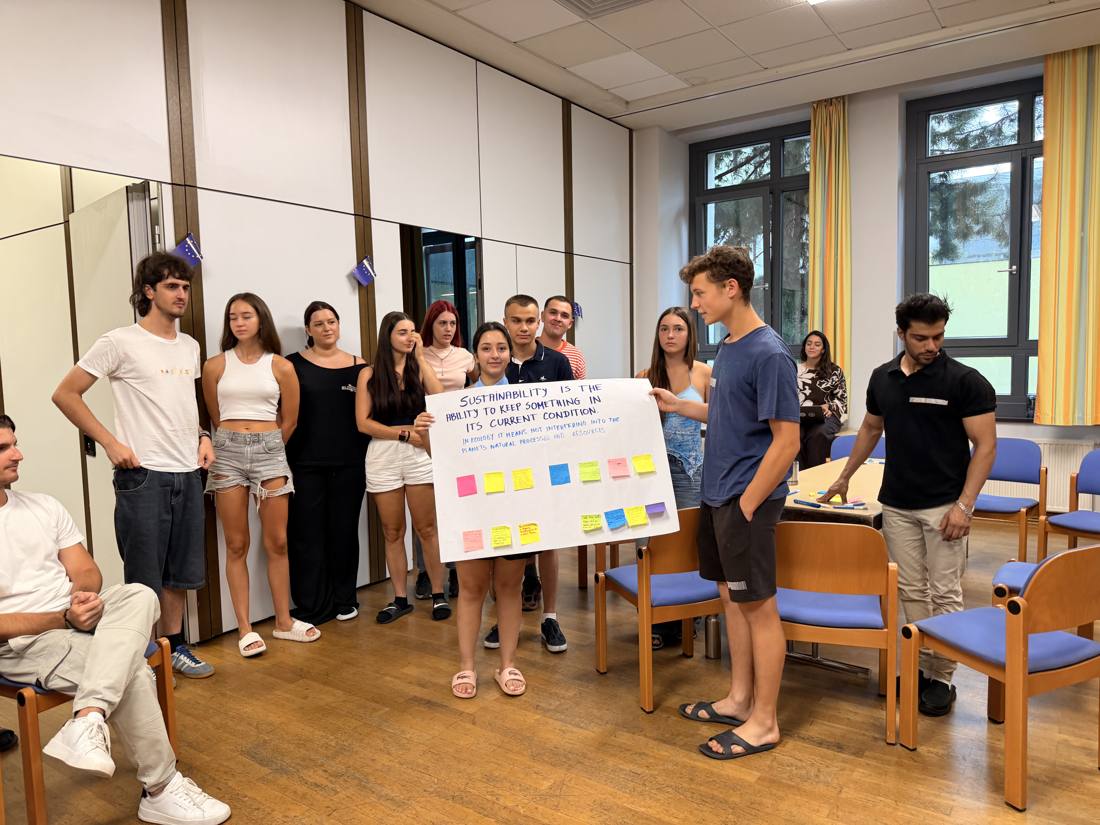
Each day had its own focus, from eco-awareness and youth voices to urban greening, systems thinking and action planning. National teams gave environmental presentations, followed by a gallery walk. The week also included outdoor nature reconnection, a guided tour of Aspern Seestadt, a visit with a presentation at GRÜNSTATTGRAU, a Land Art activity, environmental board games, a Sustainability Circle on stakeholder mapping, the Green Quest simulation game and an SDGs Intelligence Exhibition.
Learning through play, nature and reflection
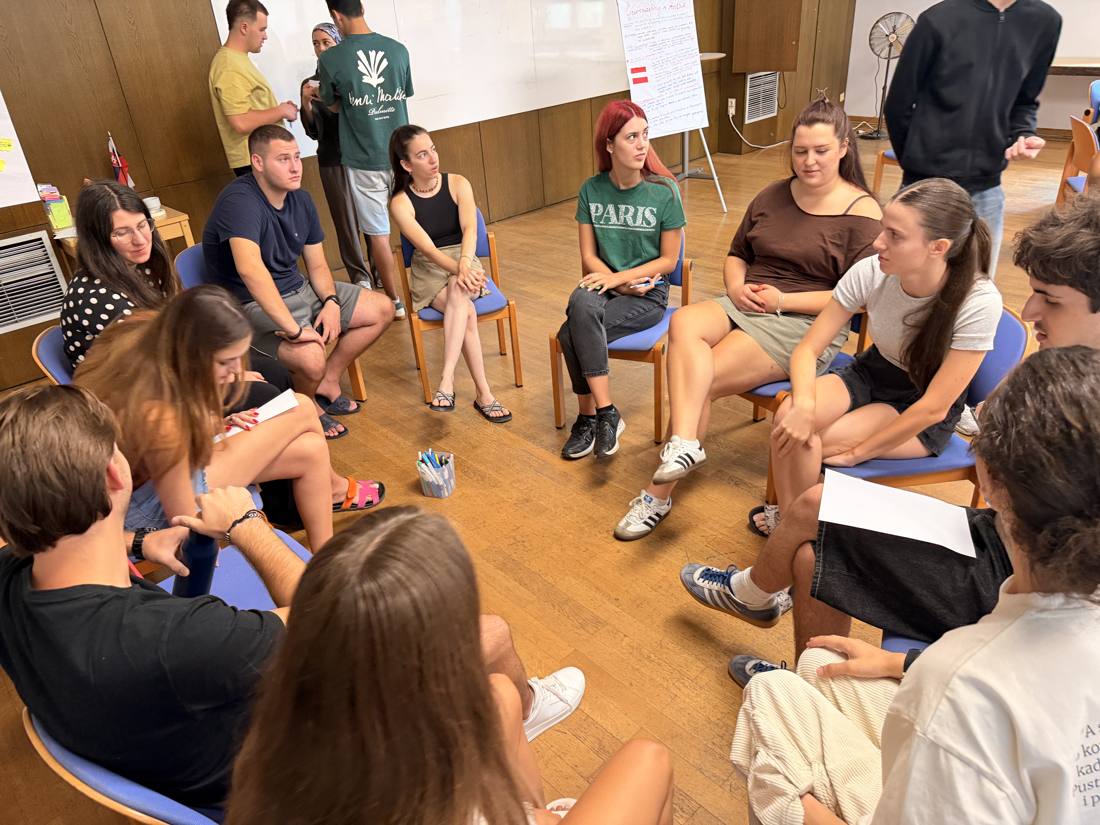
Three approaches shaped the learning: learning by experience, learning through play and creativity, and learning through nature and reflection. The exchange also addressed eco-anxiety, helping participants reconnect with nature and practise reflection methods that support emotional regulation and positive climate engagement. Daily reflection, a mid-term evaluation, intercultural talks and community evenings supported teamwork, critical thinking and European solidarity.
Who took part
Each partner country selected five young participants and one group leader. Both experienced environmental activists and first-time Erasmus+ participants were welcome, no specialist knowledge was required, and the project encouraged gender-balanced and inclusive groups, with particular support for young people with fewer opportunities.
Back home
National preparation sessions began on 20 July 2026, and the follow-up phase in September 2026 centred on local Action Plans and community initiatives. Each national team developed an action plan to turn what they learned into community activities, workshops and campaigns at home, so that participants could act as multipliers for their peers.
Impressions
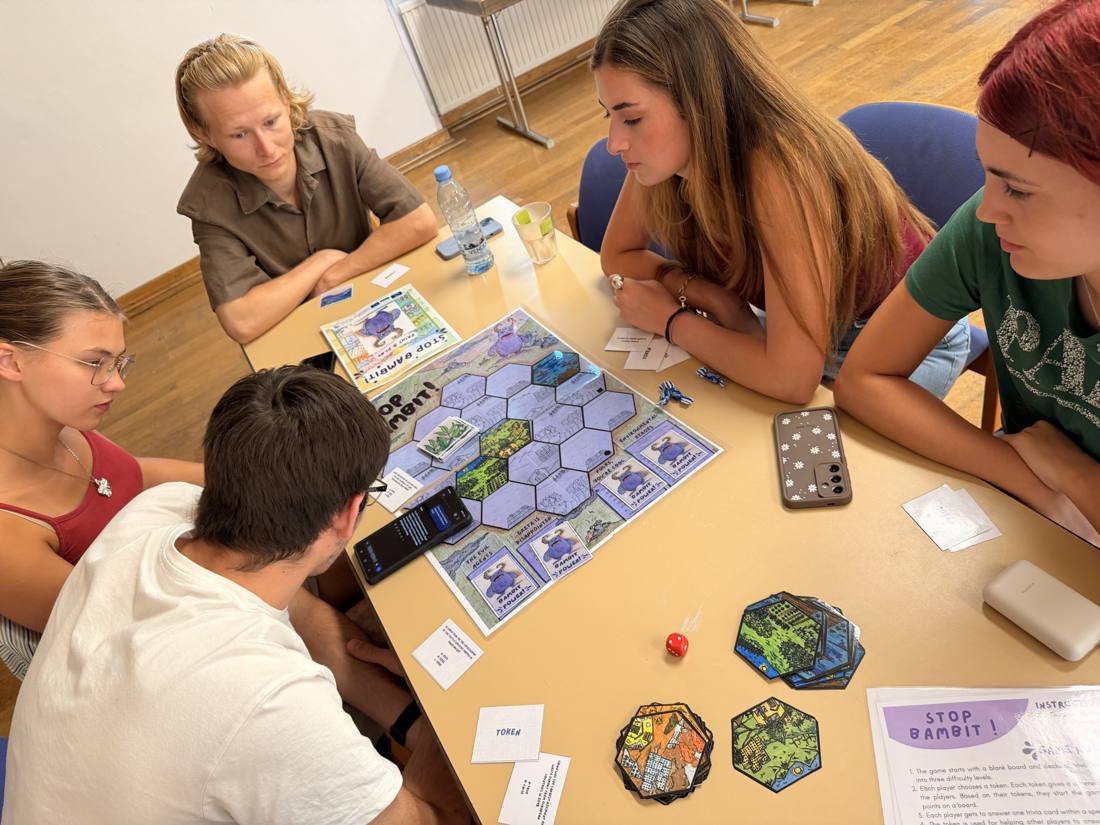
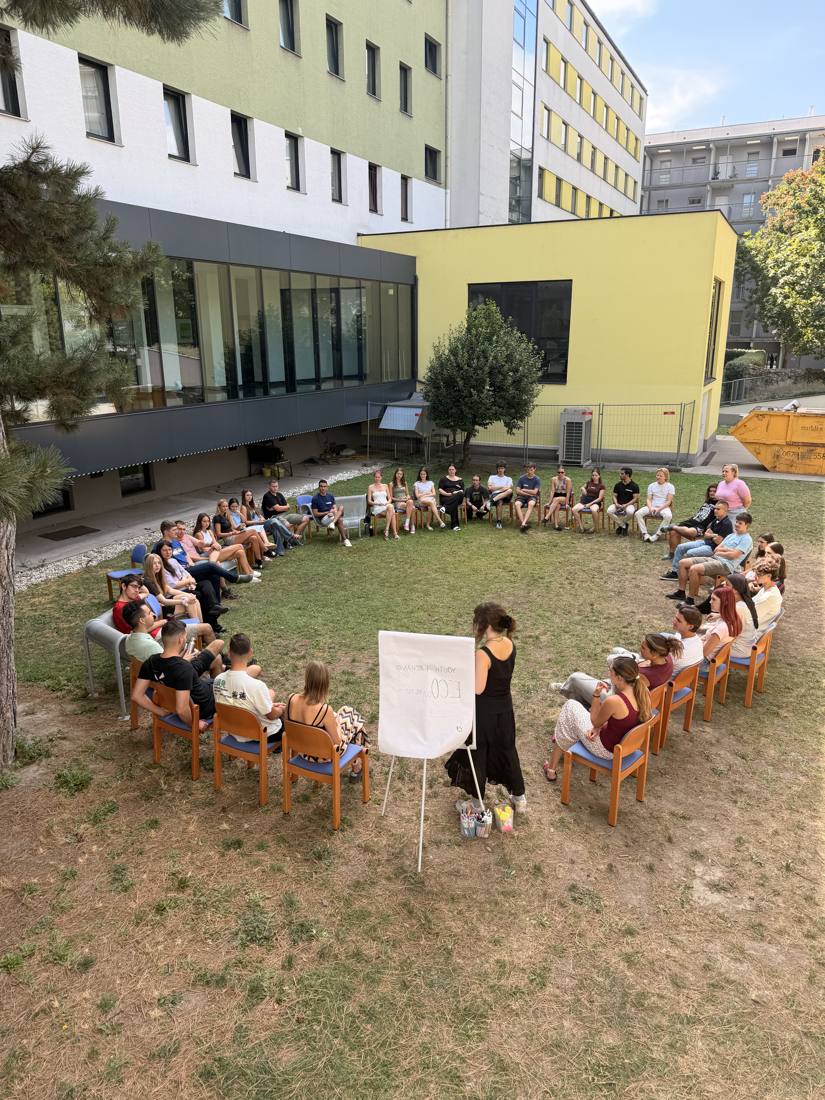
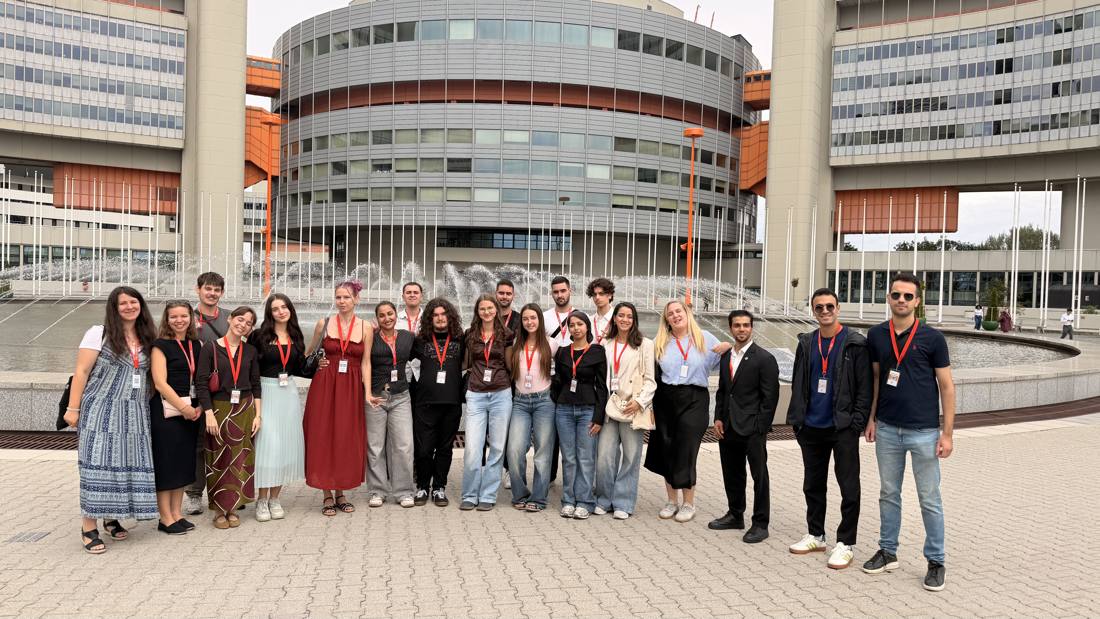
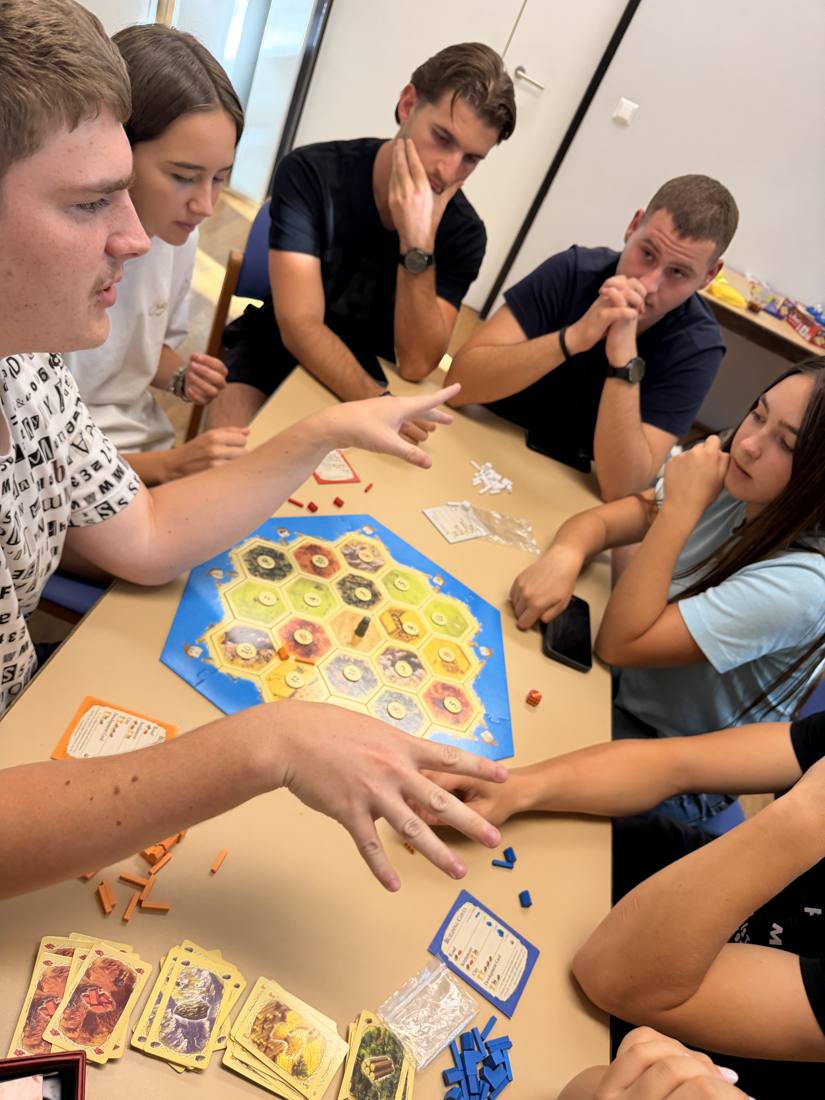
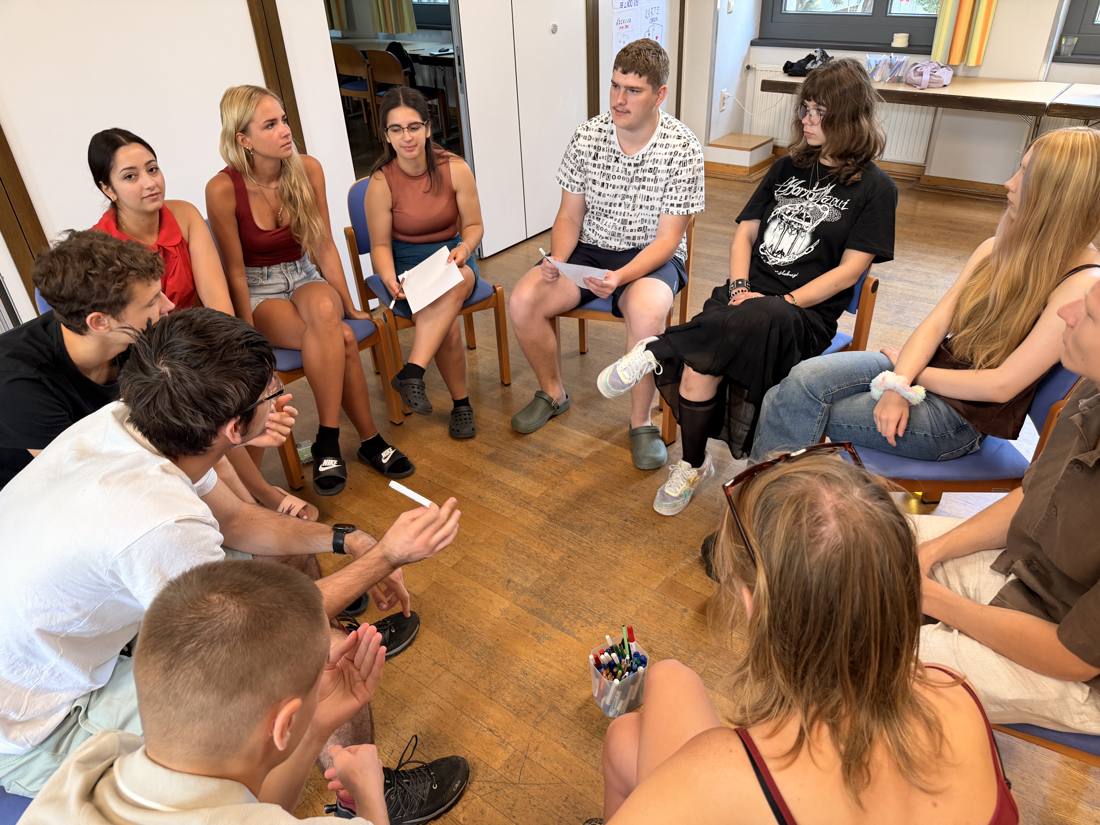
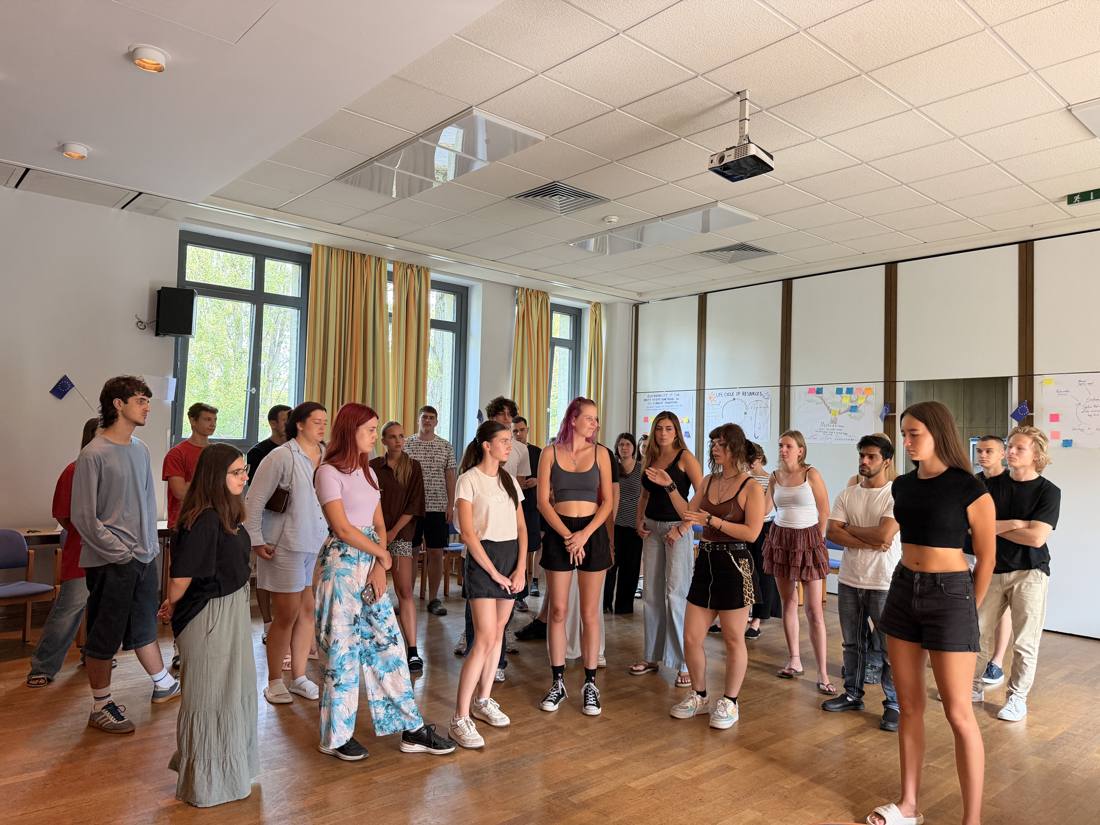

This international project was realised with the support of the Austrian National Agency OeAD of the Erasmus+ Programme of the European Union. EMOTiC was the coordinator and host.
Project reference: 2025-3-AT01-KA152-YOU-000378262
Erasmus+Youth exchangeEnvironmentReports