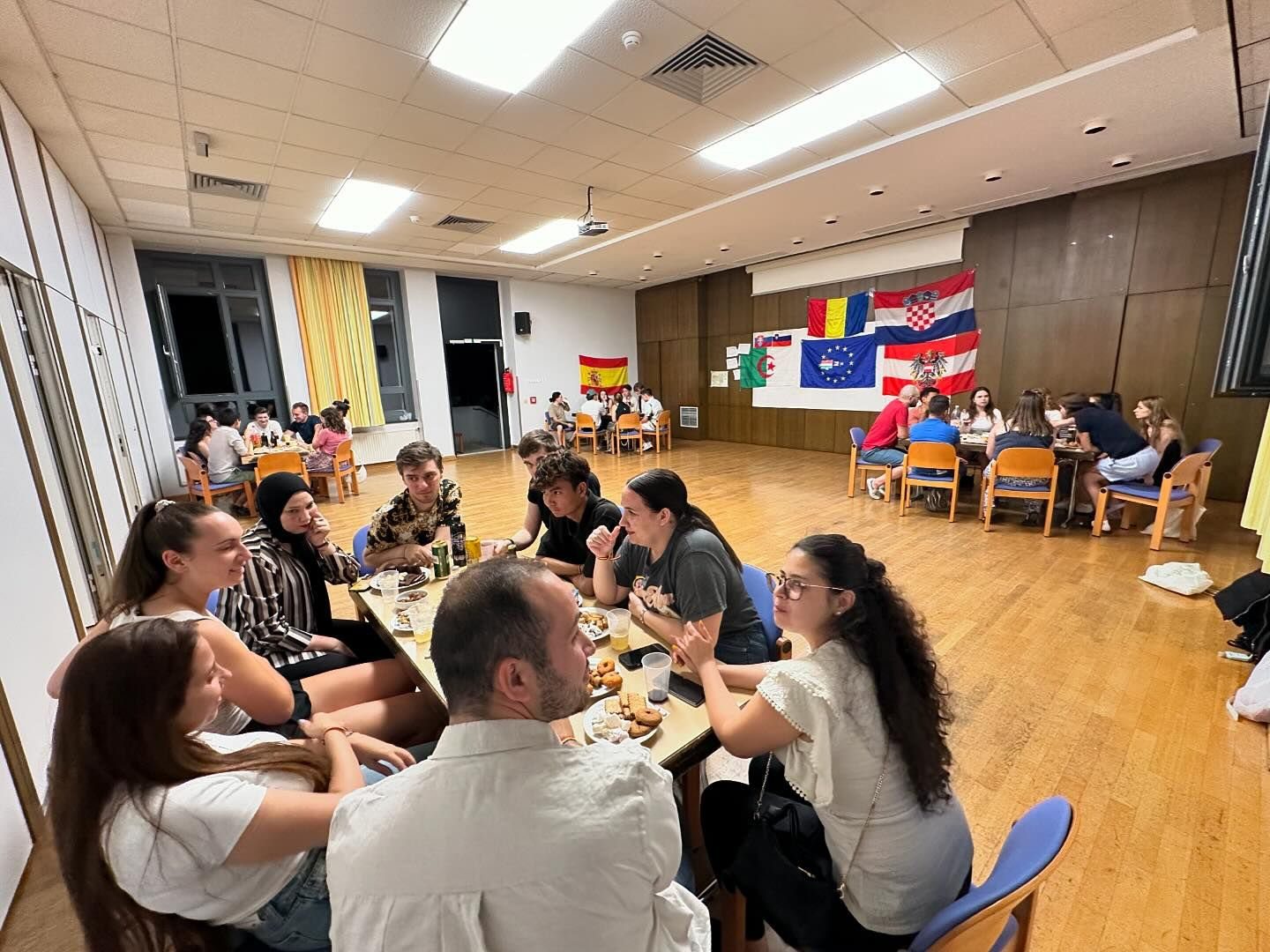
The training course brought 30 youth workers aged 20 to 35 to Vienna from 24 to 31 August 2024, three from each of ten countries: Austria, Croatia, Czechia, Greece, Hungary, Latvia, Poland, Romania, Slovakia and Slovenia. Ecological Future Education (Latvia) coordinated the project, with EMOTiC as partner and host. The other partners were IMPRESS (Croatia), Active Green Solution (Greece), gamingHOUSE (Slovenia), Szatyor Egyesület (Hungary), OTI (Slovakia), EYCB (Czechia), Innowatorium Foundation (Poland) and Asociația Kasta Morrely (Romania).
All news
Report
24–31 August 2024, Vienna
3 min read
Training course: Gamification for Environmental Sustainability, Vienna
30
Youth workers
Aged 20–35, three from each country
10
Countries
Austria, Croatia, Czechia, Greece, Hungary, Latvia, Poland, Romania, Slovakia, Slovenia
8
Days in Vienna
24–31 August 2024, travel days included
Why games
Climate anxiety is one of the most pressing problems affecting young people today. At the same time, in the Eurobarometer on Youth report cited by the project, 34% of young people named protecting the environment and fighting climate change as a top priority. Both point to the need for practical approaches that bring solutions instead of amplifying the problem. As some young people distance themselves from climate action, youth workers need positive ways to regain and keep their interest.
Gamification for Environmental Sustainability answered this need with game-based learning, and especially board games. The idea was to explore the engagement mechanisms built into board games and give them a clear educational purpose through what the project called purposeful play. As Diane Ackerman put it, "Play is our brain's favourite way of learning." Well-designed games can raise awareness, build a sense of initiative and solidarity, and lead to action for the environment.
What we set out to do
The course set out to explore board games as an inclusive and engaging method in youth work, with benefits for socialising, learning and fun. It aimed to strengthen the competences youth workers need to respond to climate anxiety and reluctance towards climate action, and to give them the skills to design and run educational board games. The games created were also meant to feed a digital library of printable games for youth organisations.
From theory to a games laboratory
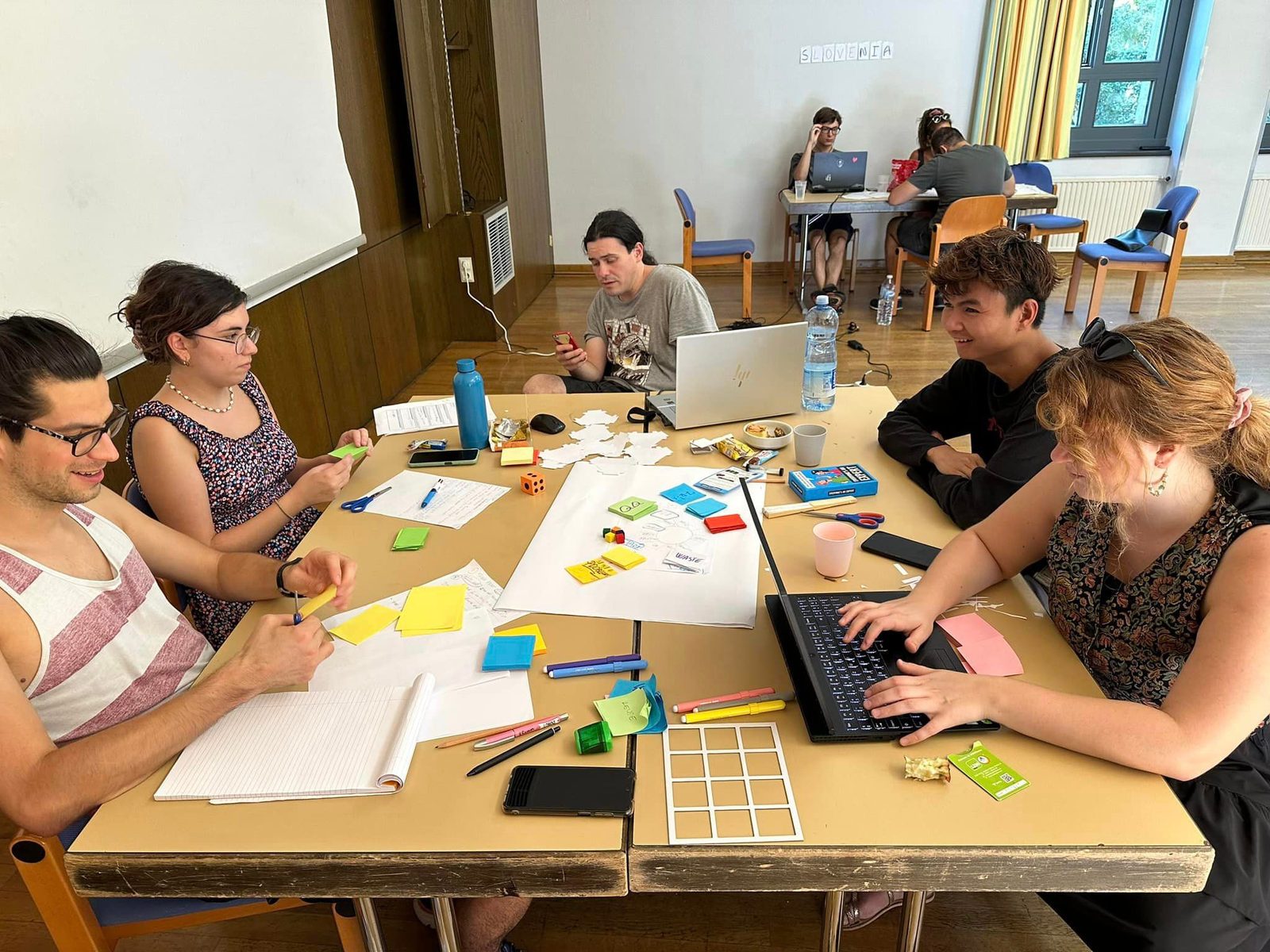
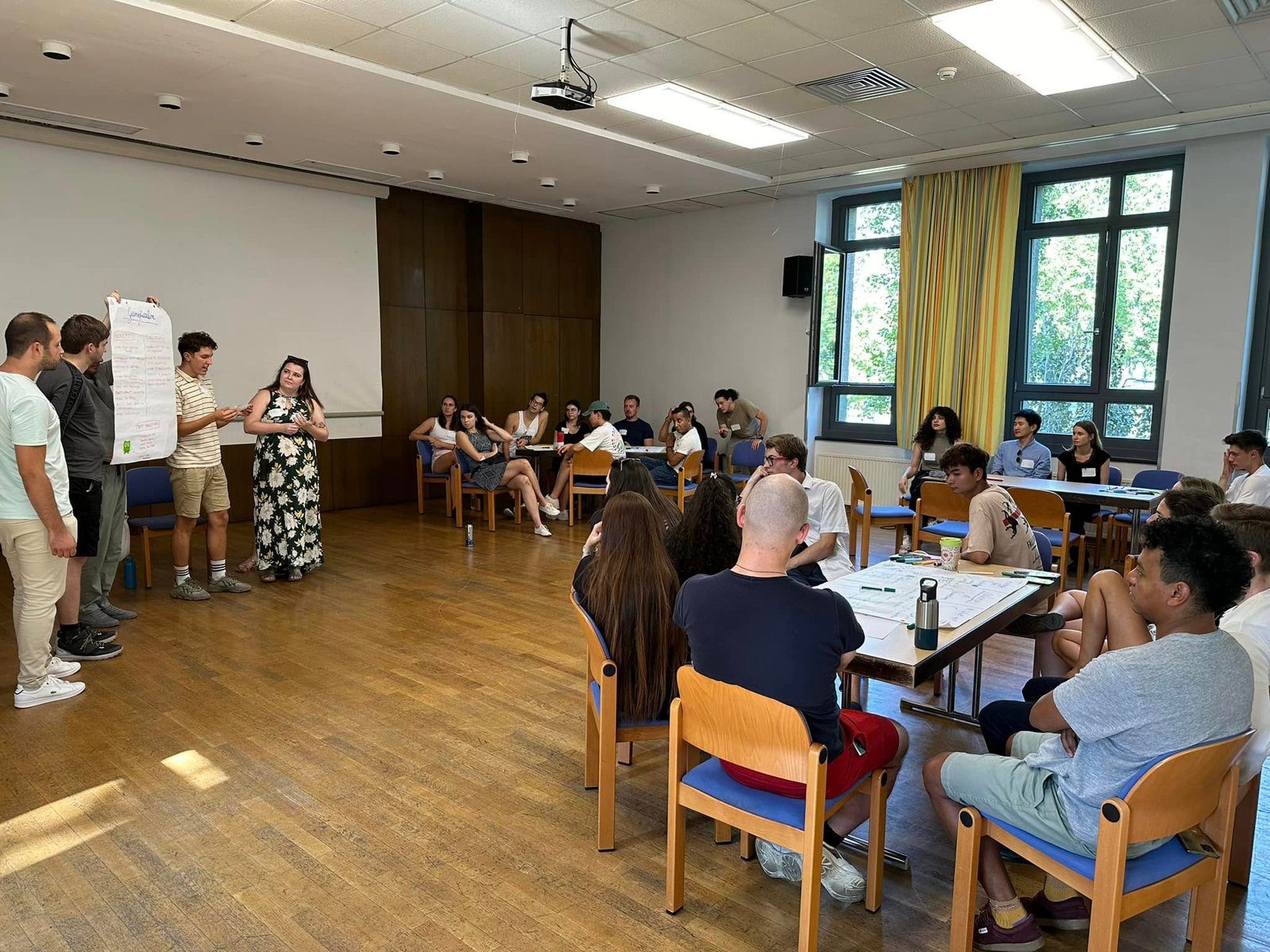
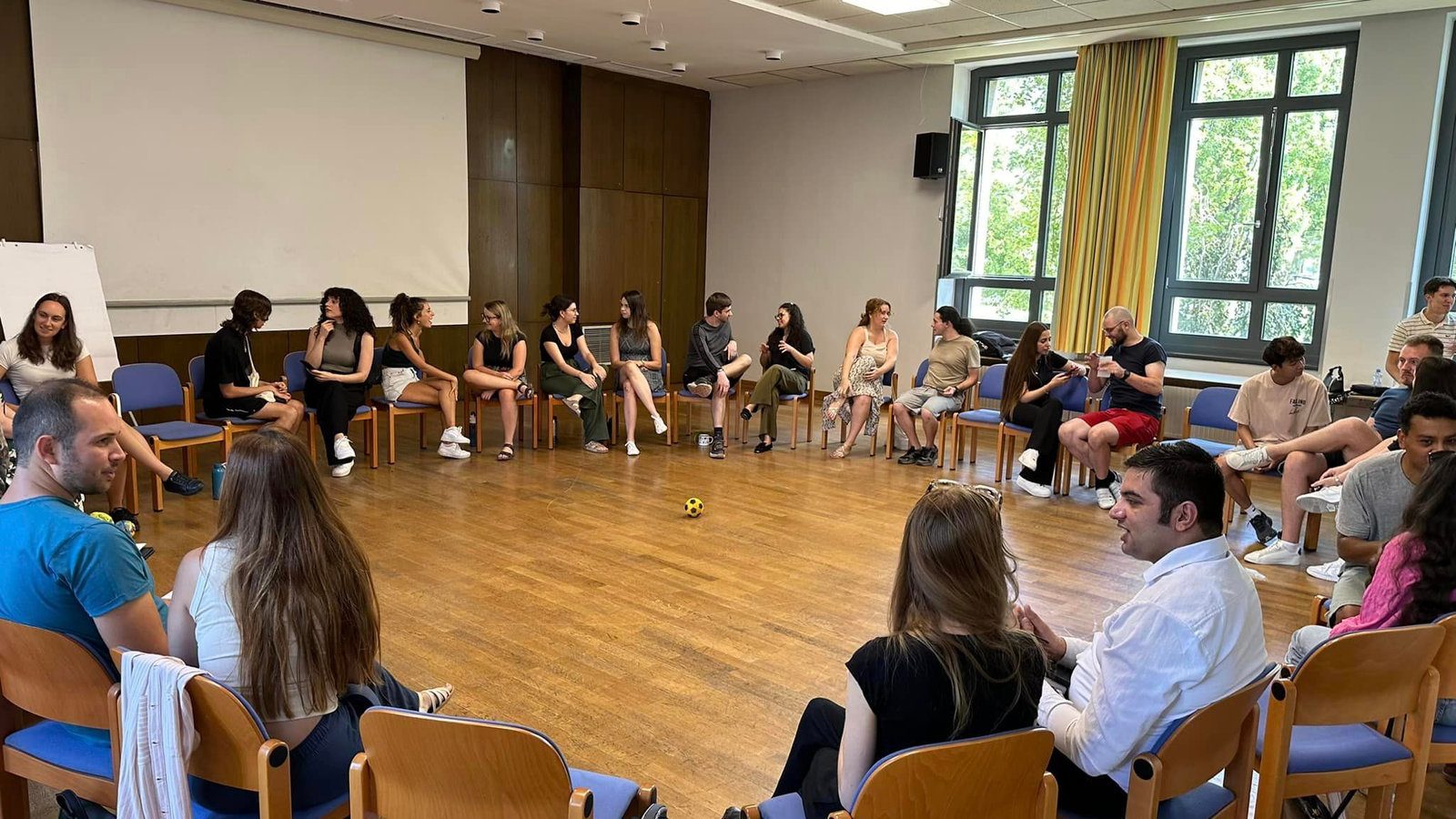
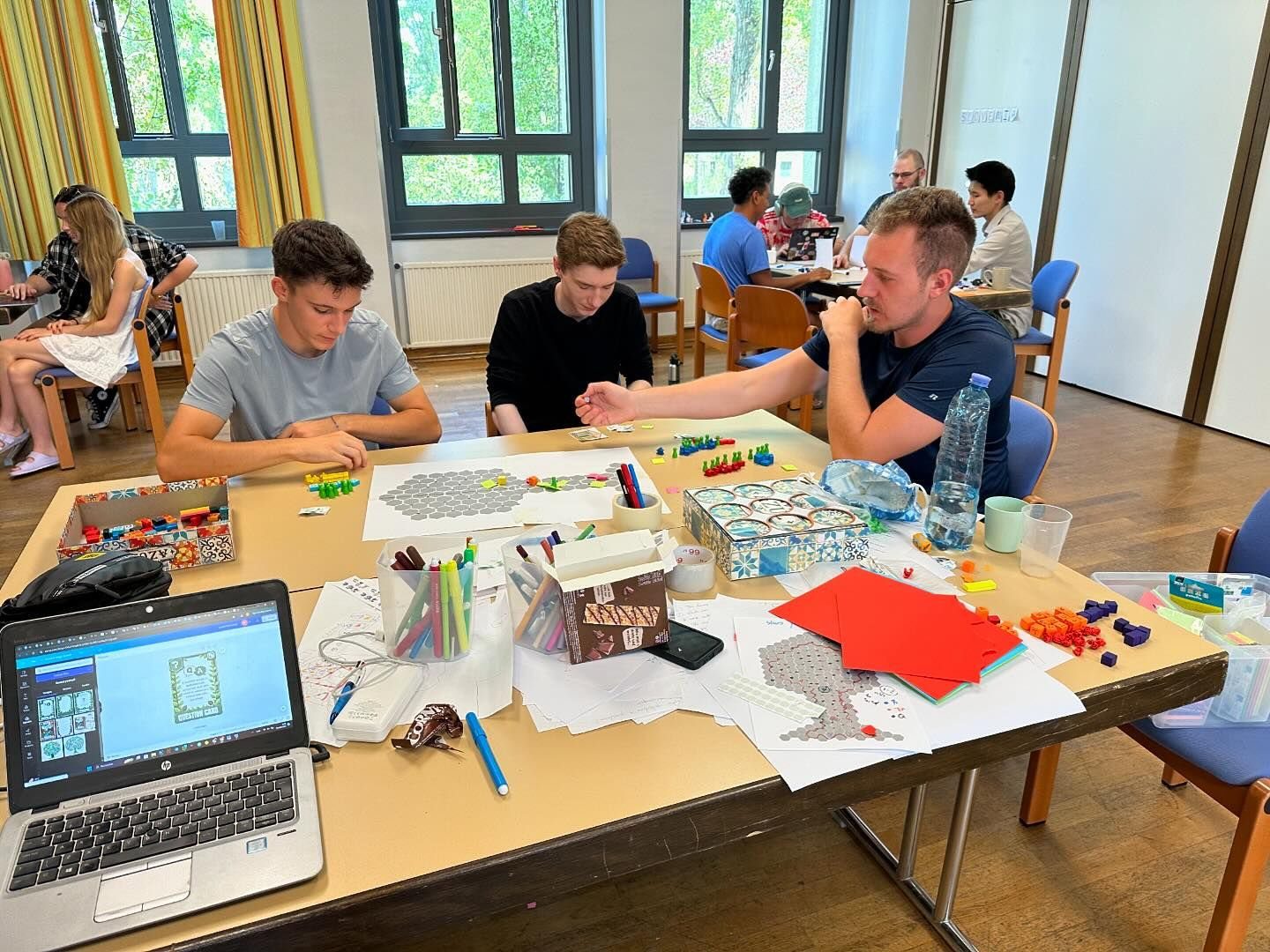
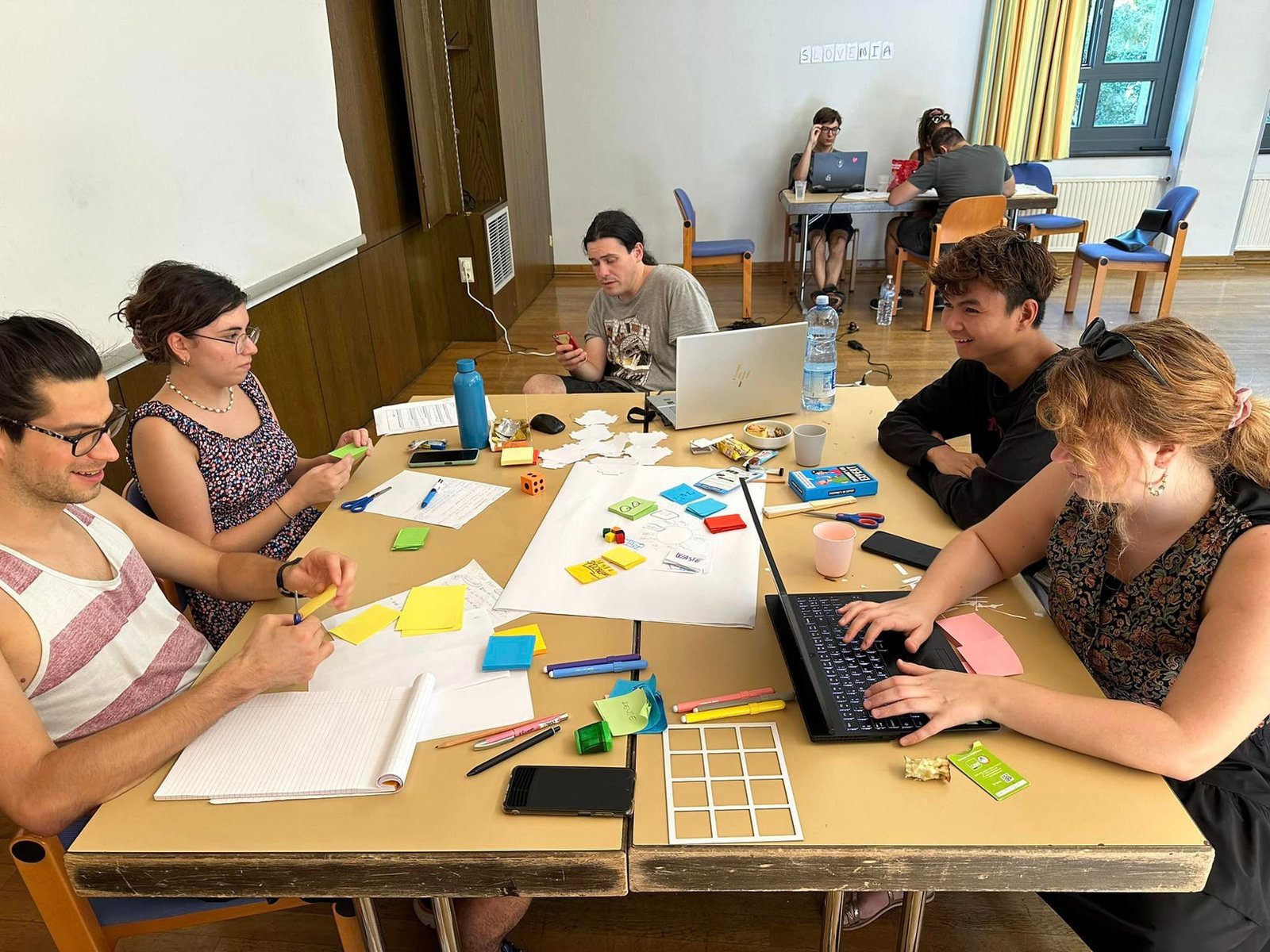
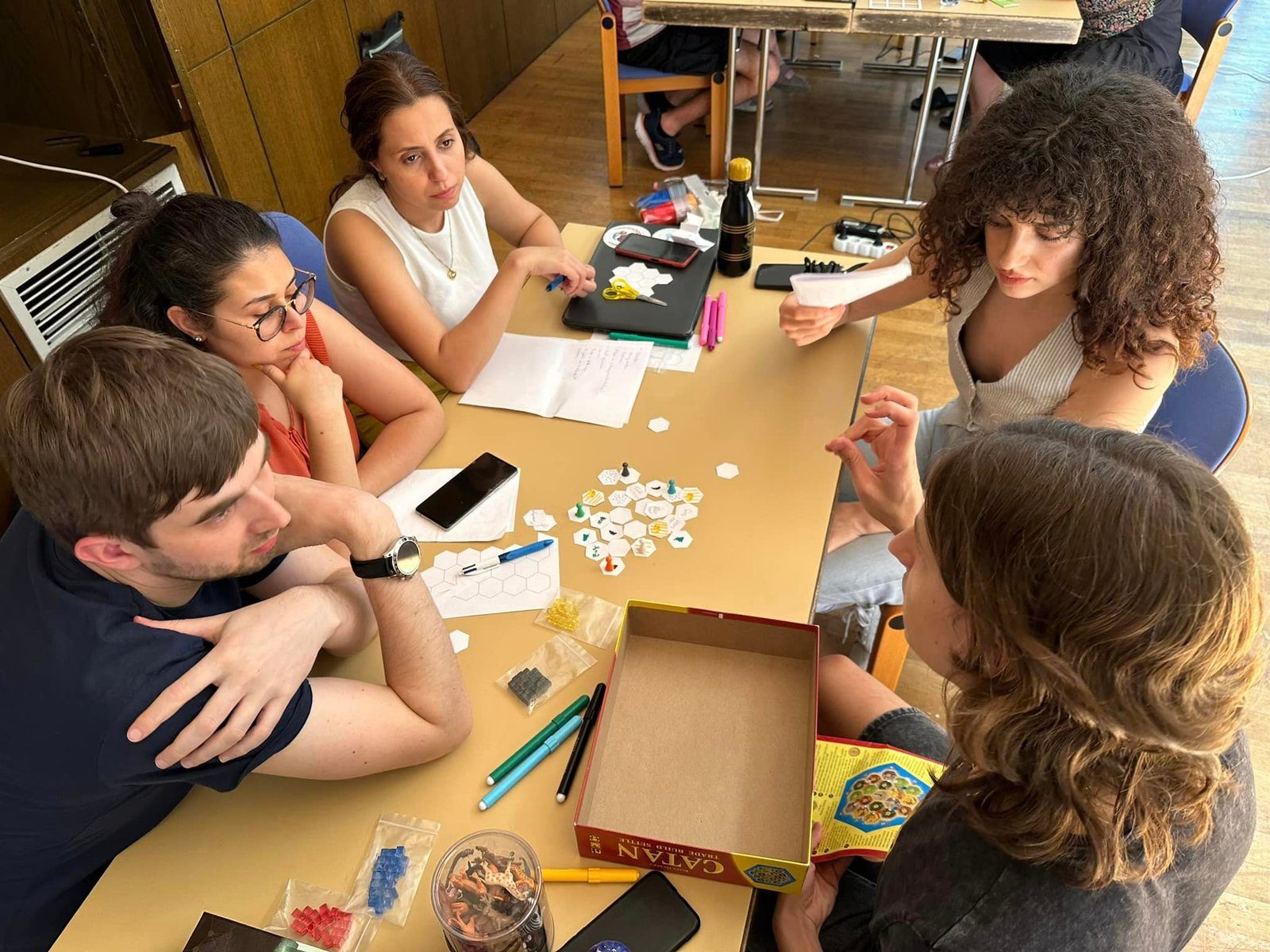
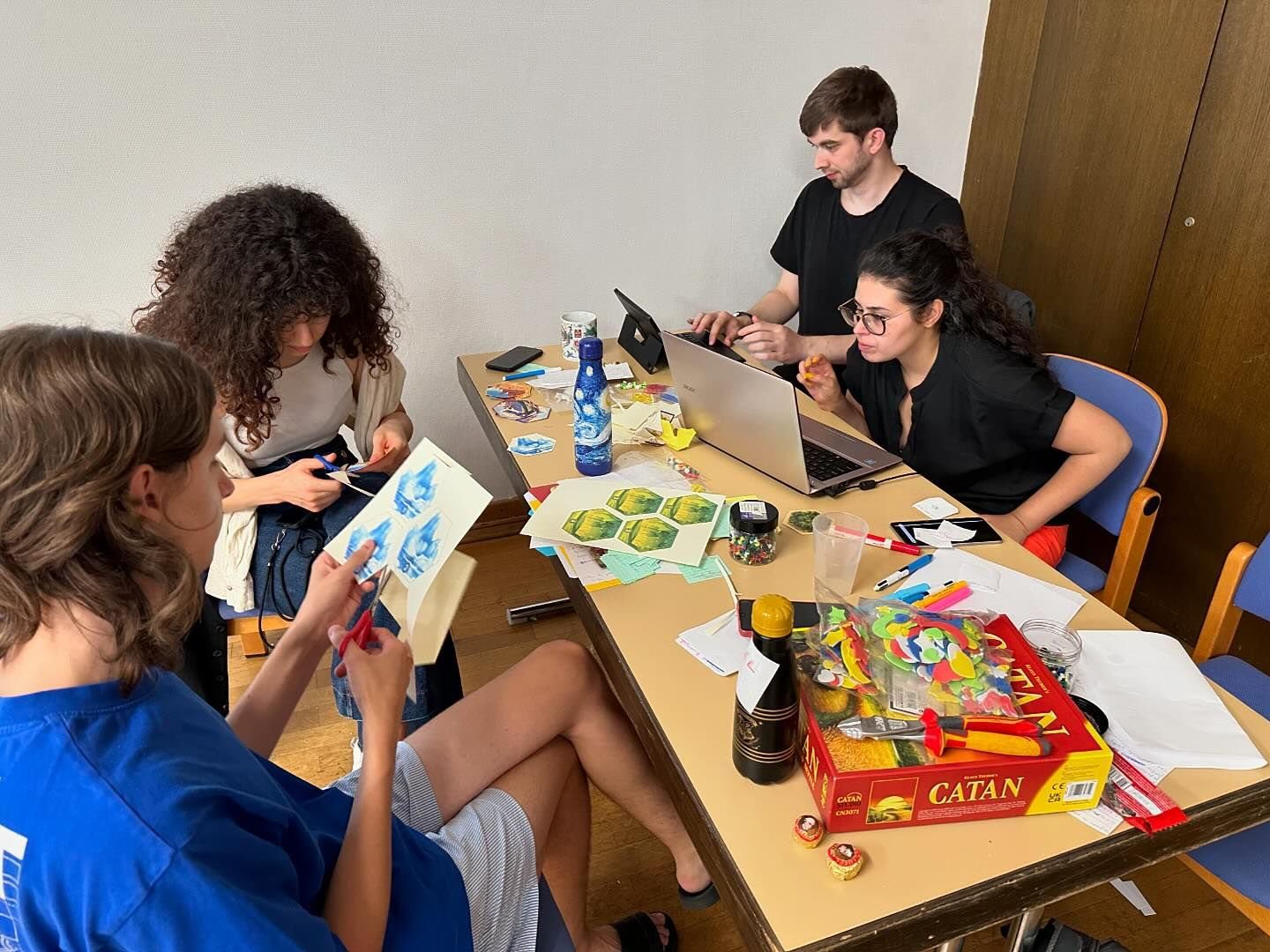
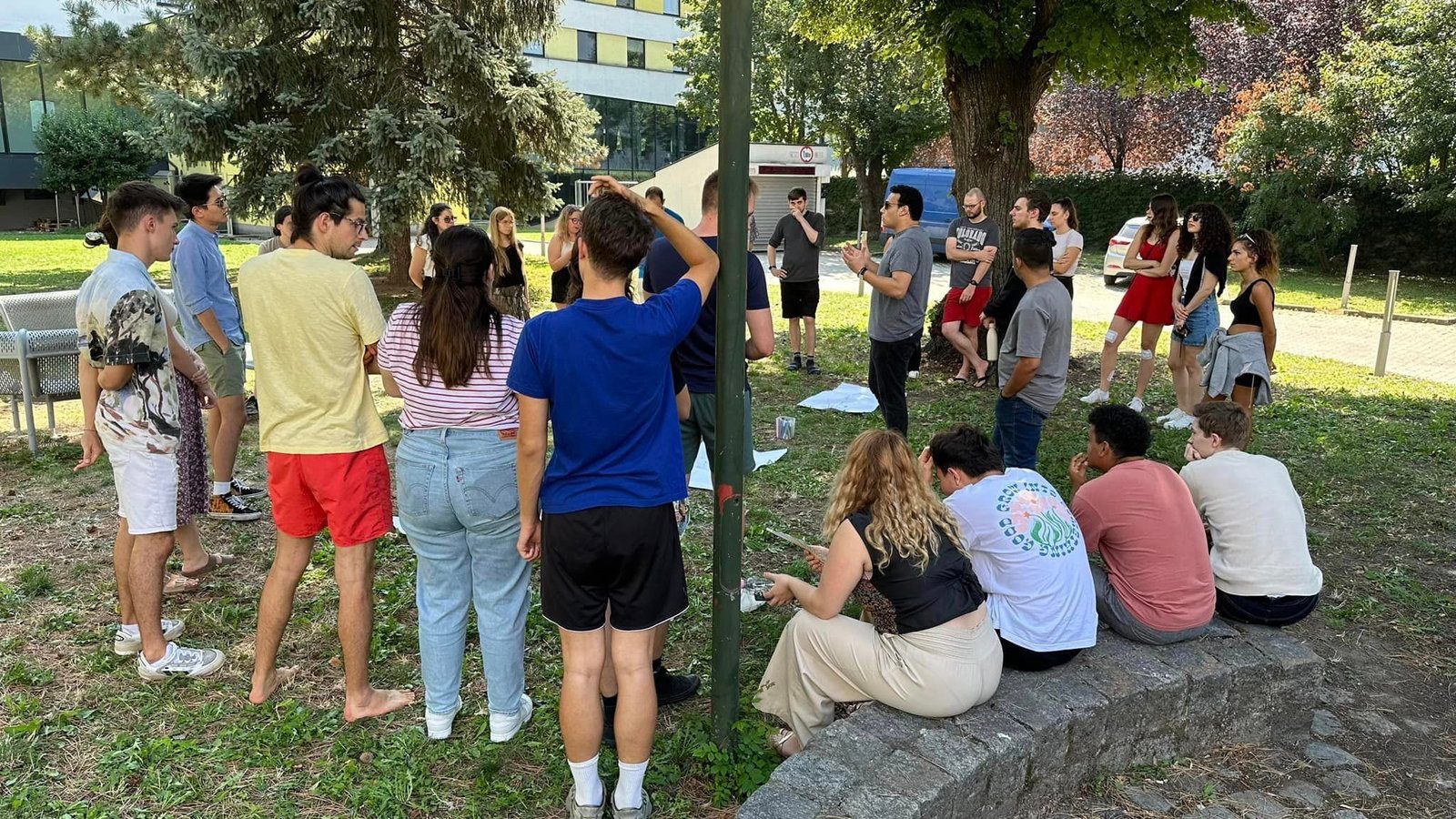
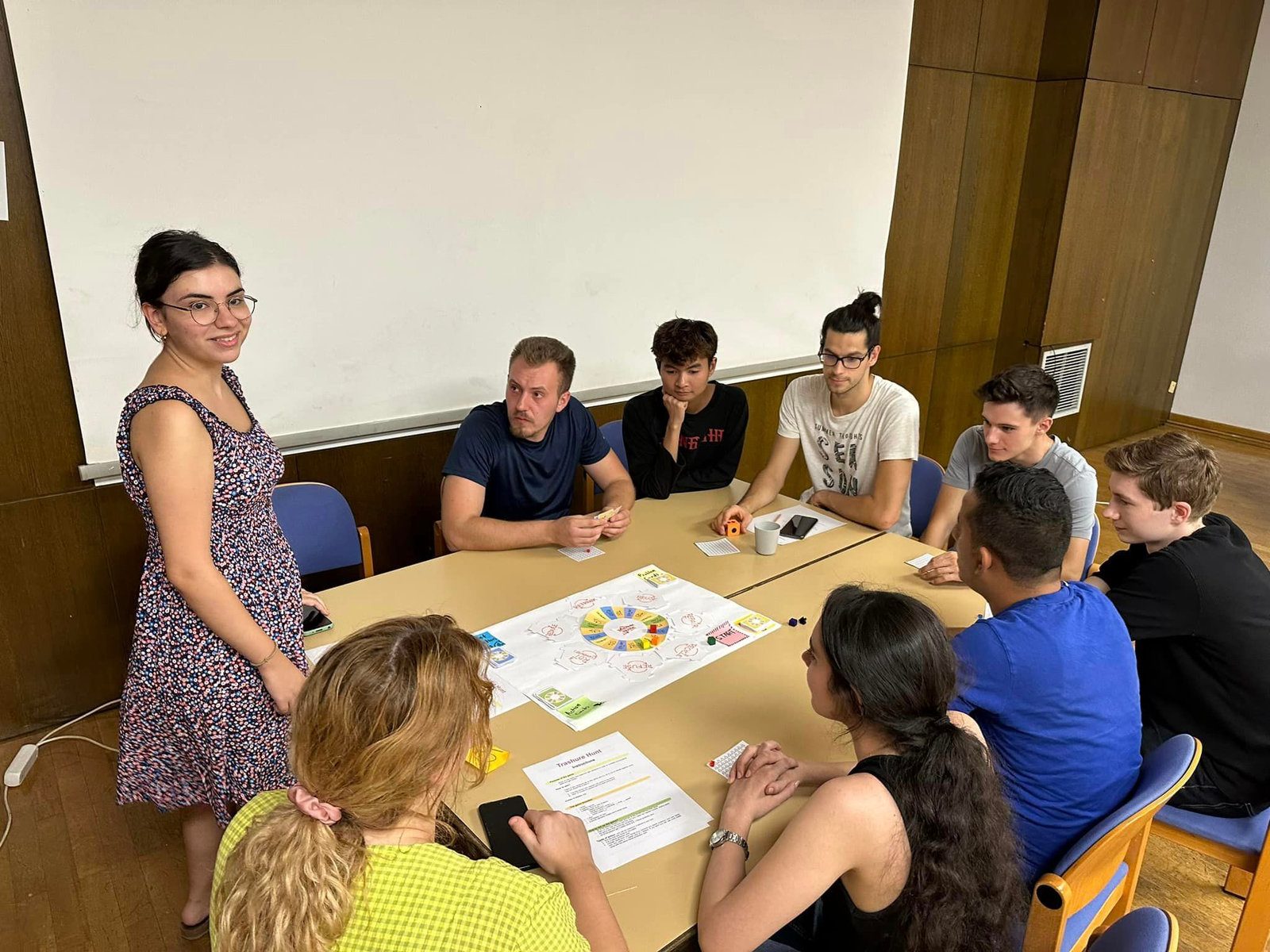
Preparation started at home, with an online onboarding meeting and tasks for each national group. In Vienna, the programme moved from theory to practice: board games as an educational tool, game-based learning principles, the elements and mechanics of a board game, and the dos and don'ts of game design. Participants then generated and tested ideas and worked in small groups in a games laboratory on games about environmental issues.
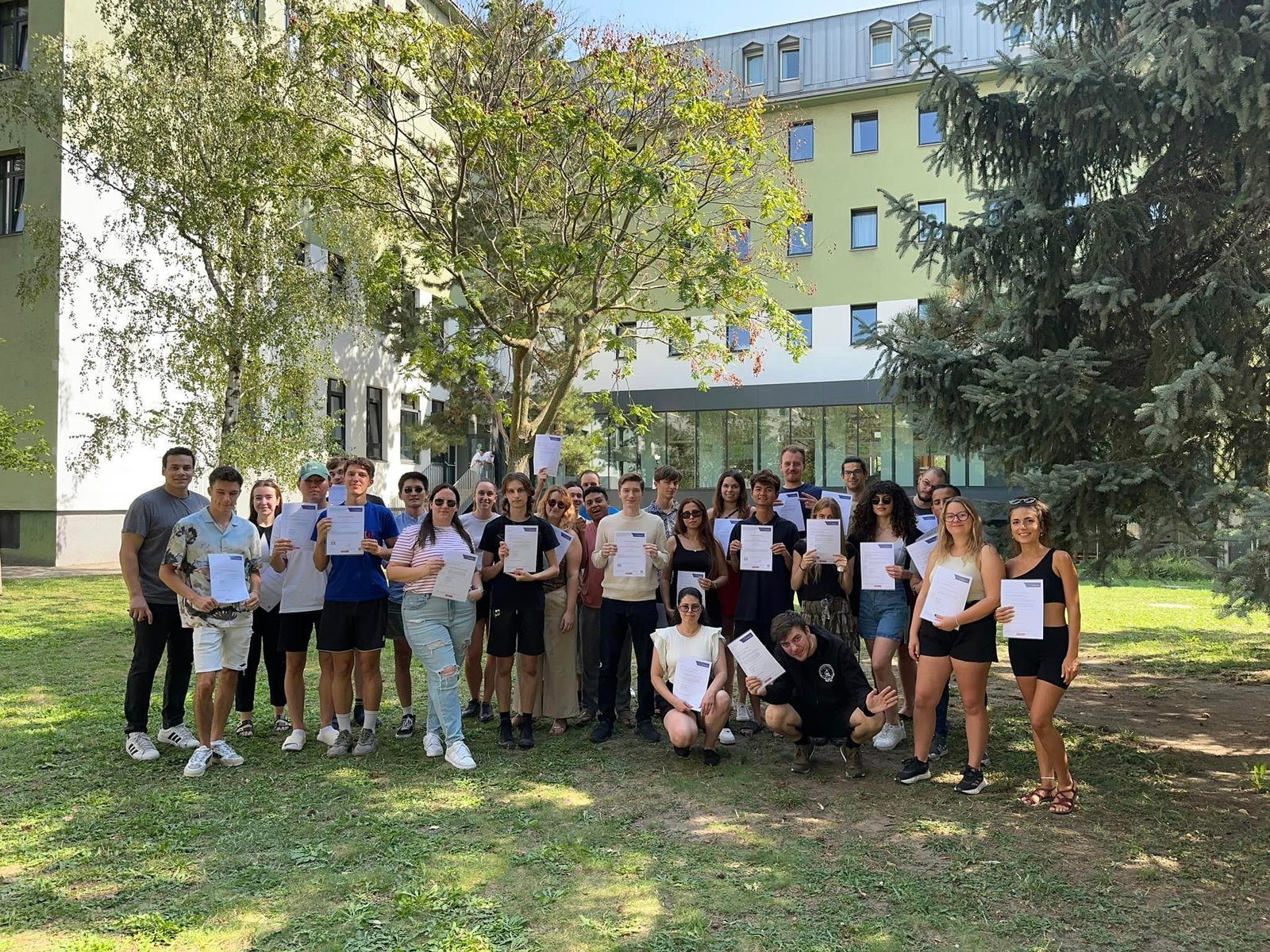
Towards the end of the week, the new games were beta-tested at a board game event and refined with feedback. Daily reflection, country realities and intercultural evenings supported the learning, with interculturality and intersectionality built into the programme. A session on transfer to local youth work closed the course, and each participant received a Youthpass certificate.
Follow-up at home
National teams also planned local follow-up initiatives with young people for September 2024, so that game-based approaches to environmental sustainability could reach everyday youth work in all ten countries.
Impressions

This international project was co-funded by the Erasmus+ Programme of the European Union through the Latvian National Agency. It was coordinated by Ecological Future Education (Latvia), with EMOTiC as partner and host.
Partners: IMPRESS (Croatia), Active Green Solution (Greece), gamingHOUSE (Slovenia), Szatyor Egyesület (Hungary), OTI (Slovakia), EYCB (Czechia), Innowatorium Foundation (Poland), Asociația Kasta Morrely (Romania).
Project reference: 2023-3-LV02-KA153-YOU-000182669
Erasmus+Training courseGame-based learningReports