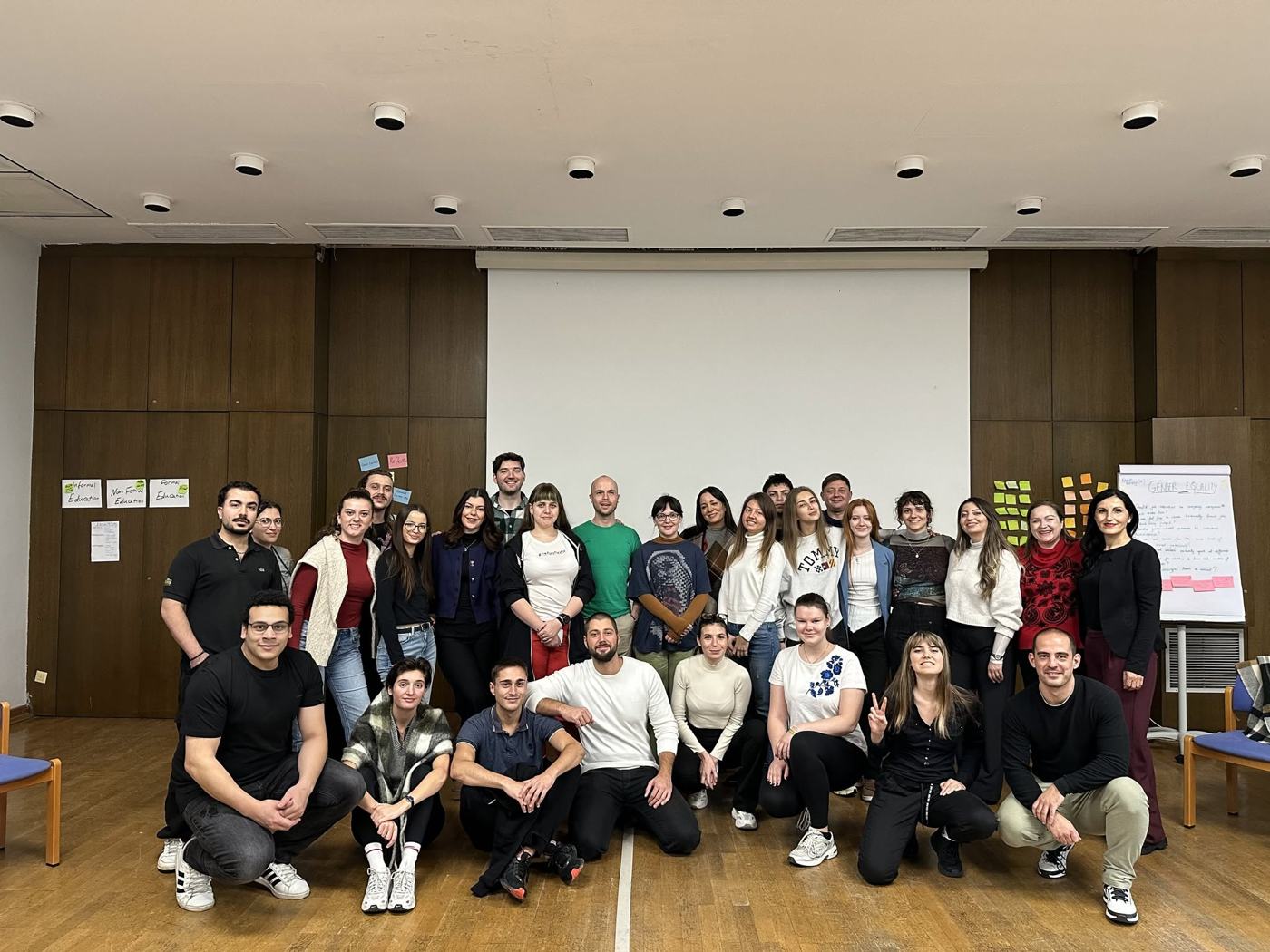
Coordinated by Ukrainer in Bonn e.V. in Germany and hosted by EMOTiC in Vienna, the course brought together 30 youth workers and youth leaders aged 24 to 35 from nine countries: Austria, Croatia, France, Germany, Greece, Romania, Serbia, Slovakia and Slovenia. Participants learned about, through and for non-formal education, exploring its methods, tools and theories and then putting them into practice.
All news
Report
10–17 October 2025, Vienna
3 min read
Training course: Non-formal Education from Theory to Praxis, Vienna
30
Youth workers
Youth workers and youth leaders aged 24–35
9
Countries
Austria, Croatia, France, Germany, Greece, Romania, Serbia, Slovakia, Slovenia
8
Days in Vienna
10–17 October 2025
Why this course
This Erasmus+ training course responded to an urgent need to raise the quality of youth work in Europe. The pandemic, economic pressures and the war in Ukraine have weakened the field: many qualified youth workers were displaced, while inexperienced newcomers were pushed into the work. This has opened a gap between the number of youth initiatives and the quality of learning they offer.
What we set out to do
The objectives were to build a shared understanding of the value of non-formal education in youth work, to strengthen competences in facilitation, learning processes and intercultural engagement, to offer practical tools for quality youth activities, to bring Erasmus+ resources into daily youth work, and to test new competences through intercultural practice and peer exchange.
From theory to practice
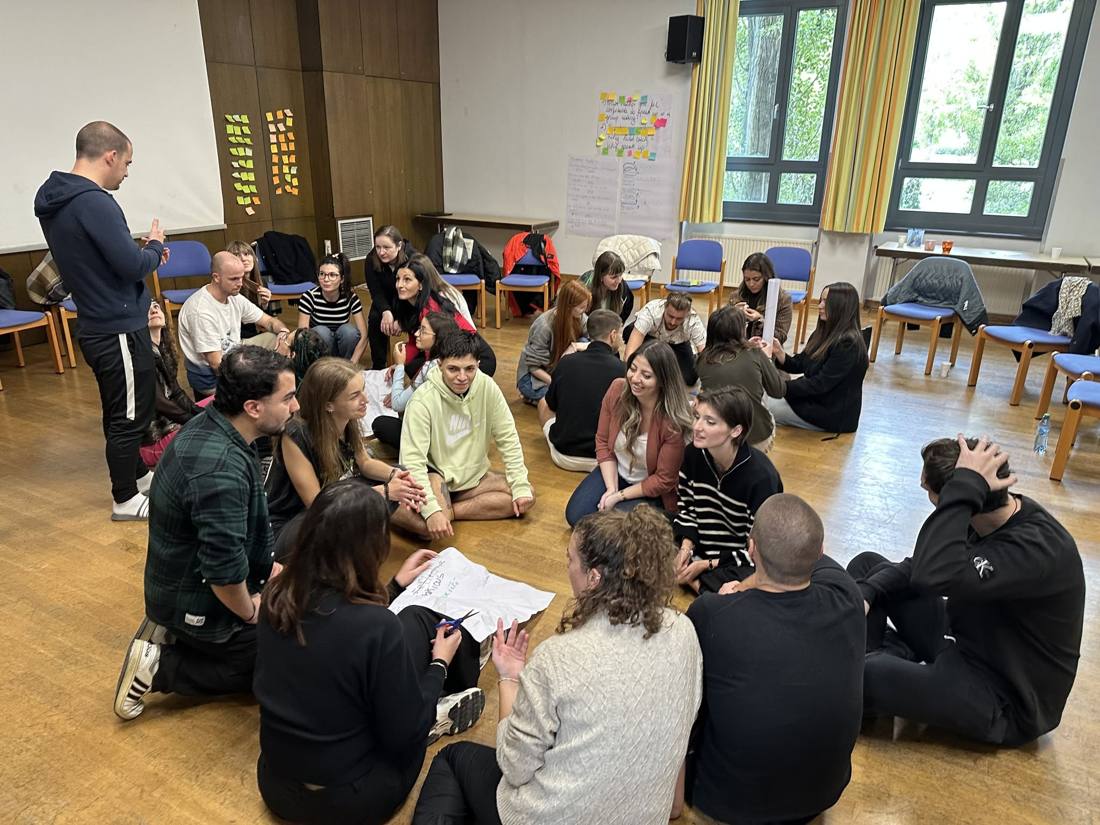
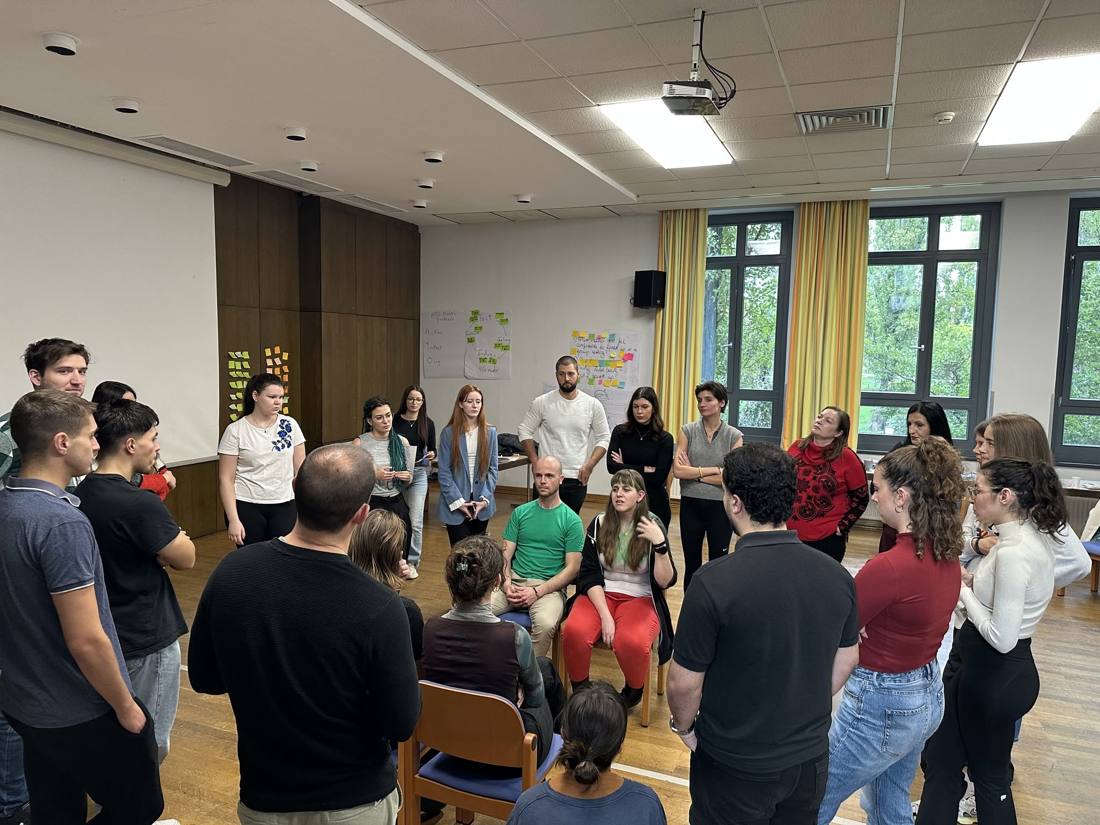
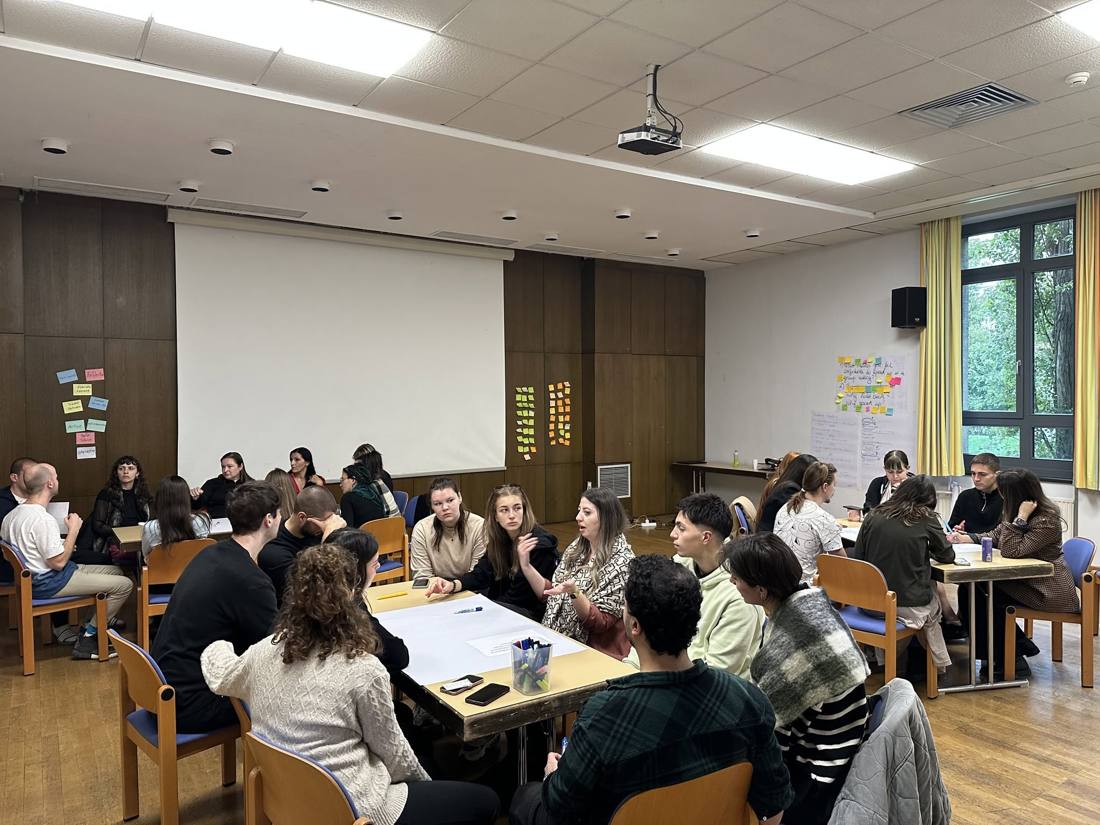
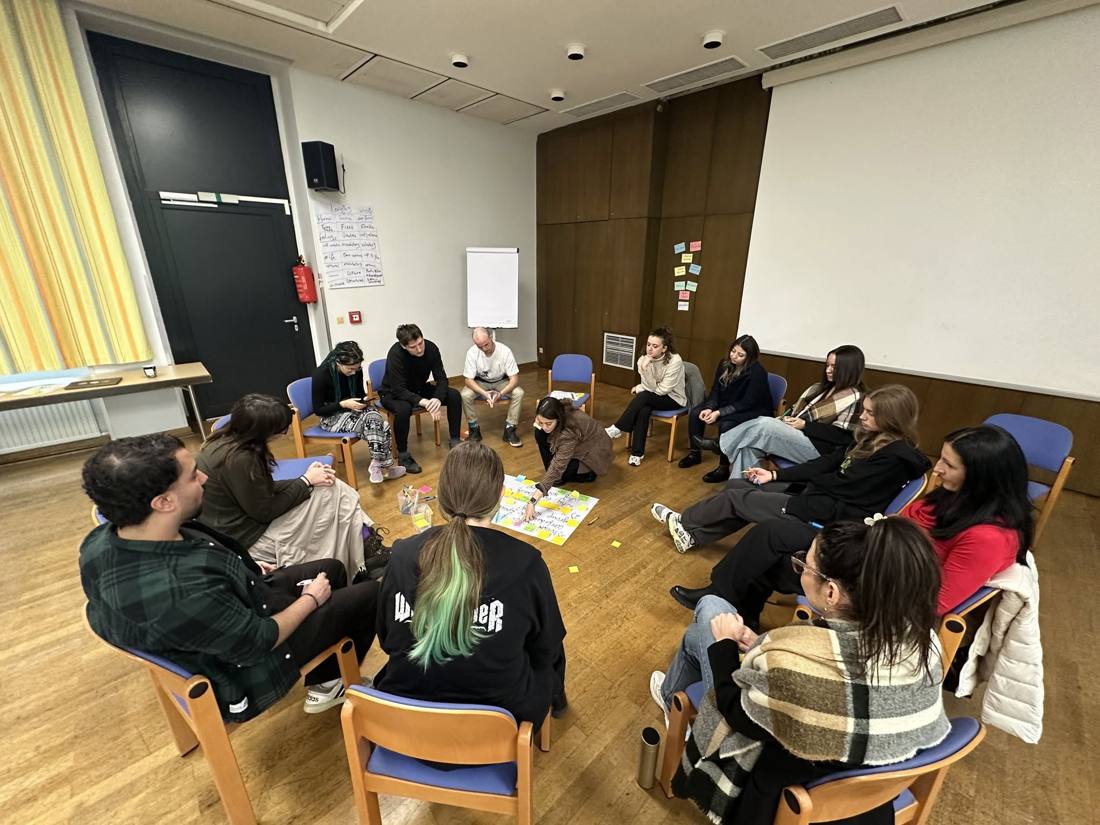
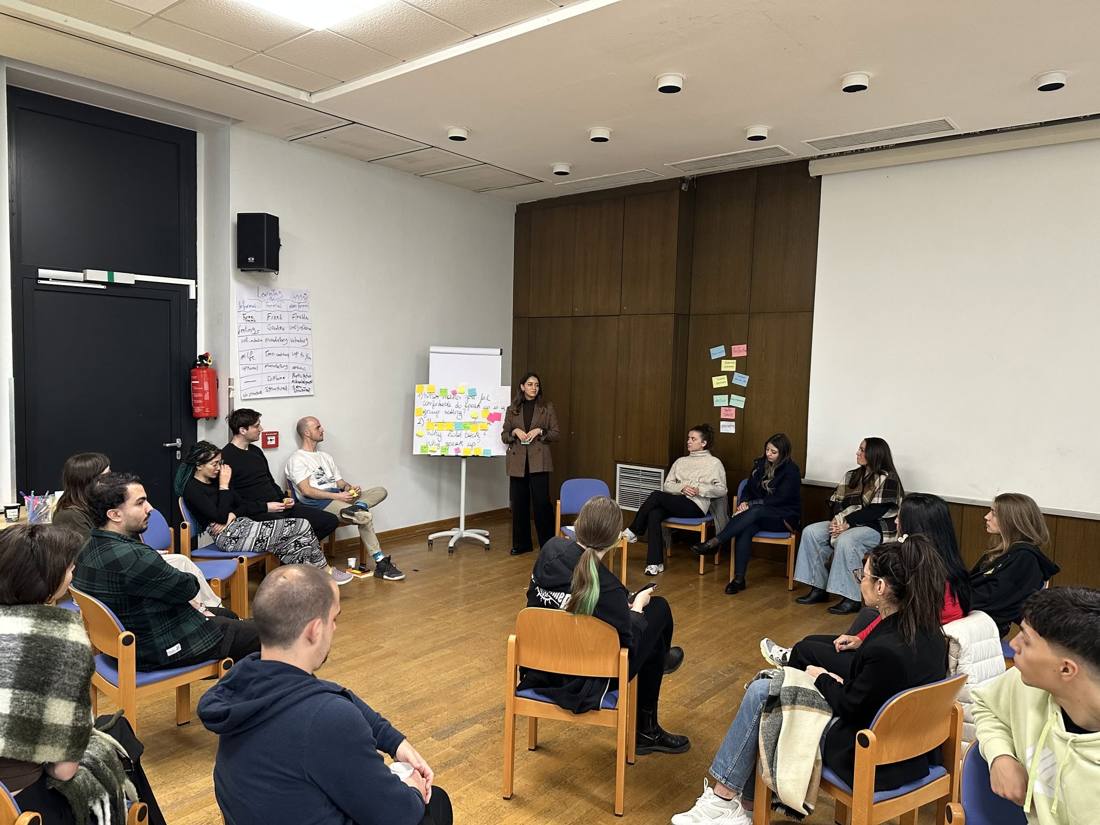
The week moved step by step from theory to practice. After team building and a look at country realities, participants were introduced to non-formal education and its methods. Workshops then looked at individual needs, the role and competences of a facilitator, trainer and youth worker, experiential learning and the principles of non-formal education, alongside models such as Kolb's learning cycle, Maslow's hierarchy, Bloom's taxonomy and feedback frameworks. Further sessions covered the power of briefing and the art of debriefing, values and ethics in educational activities, and managing conflicts and risks.
A tool fair on non-formal education and a session on programme design and the choice of methods prepared the ground for a full day of practice, in which each participant designed and piloted a small learning activity, followed by reflection and peer feedback. Each day closed with reflection time, and evenings brought intercultural talks and a farewell party. The group stayed and trained at the Jugendgästehaus Wien Brigittenau, where accommodation, meals and the training room were all in one place.
Taking it home
On the final day, participants worked on a forward-thinking roadmap and on transferring their learning to local youth work. Each left with a local action plan, and the trainers supported its implementation during the follow-up phase in October and November 2025.
In the longer term, the partners set out to build a transnational network of skilled youth workers, a shared resource booklet on non-formal education and follow-up initiatives for sustainable, inclusive and innovative youth work. In this way the course contributed to the Erasmus+ aims of lifelong learning, intercultural understanding, active citizenship and the recognition of non-formal and informal learning, especially for young people with fewer opportunities.
Impressions

This international project was co-funded by the Erasmus+ Programme of the European Union through the German National Agency JUGEND für Europa. It was coordinated by Ukrainer in Bonn e.V. (Germany), with EMOTiC as partner and host.
Project reference: 2024-1-DE04-KA153-YOU-000232920
Erasmus+Training courseNon-formal educationReports
Related posts
Report, 7–14 August 2025Youth exchange: Don't let the Muggles get you down!, ViennaReport, 22–30 November 2025Training course: Peacebuilding Strategies for Civic Participation, ViennaReport, 24 November – 1 December 2024Training course: Participatory and Emancipatory Approaches for Youth Work, Vienna