Plant the Future tackled some of today's most pressing issues: CO2 emissions, topsoil erosion, climate anxiety, climate change and our disconnection from nature. We explored them through urban agriculture, giving participants the skills to start their own growing initiatives. Many studies show that climate change strains both physical and mental health, so we set out to shift the mood from overwhelm and paralysis to community and everyday solutions.
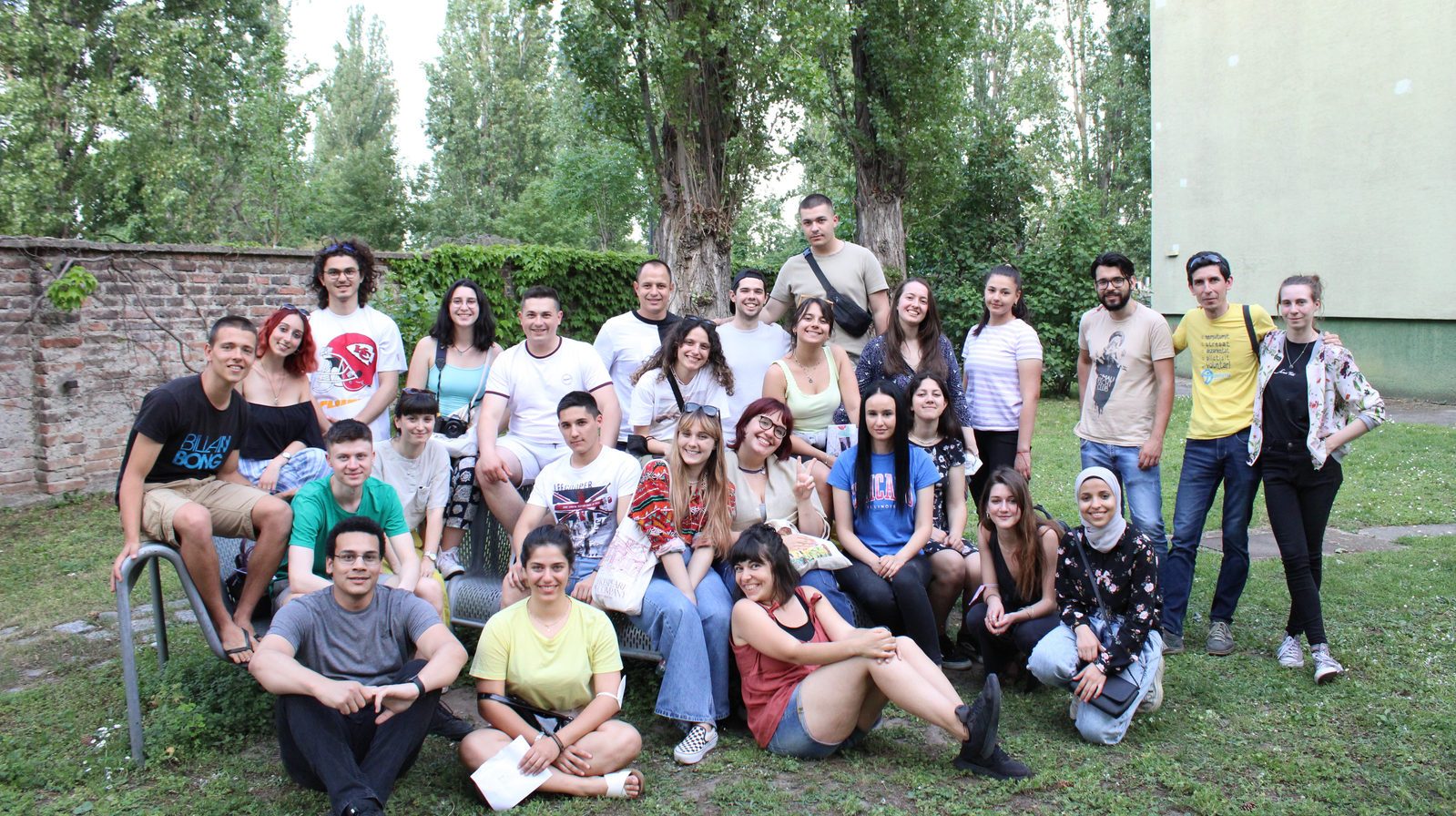
In this fully funded exchange, 28 young people from Austria, Greece, Portugal and Romania spent eight days together in Vienna, from 15 to 22 May 2022, exploring community gardens and reconnecting with nature. The programme was solution-oriented and built on three strands: theoretical knowledge of sustainable food systems, practical skills in urban agriculture, and emotional and cognitive practices for mental health.
Preparing at home
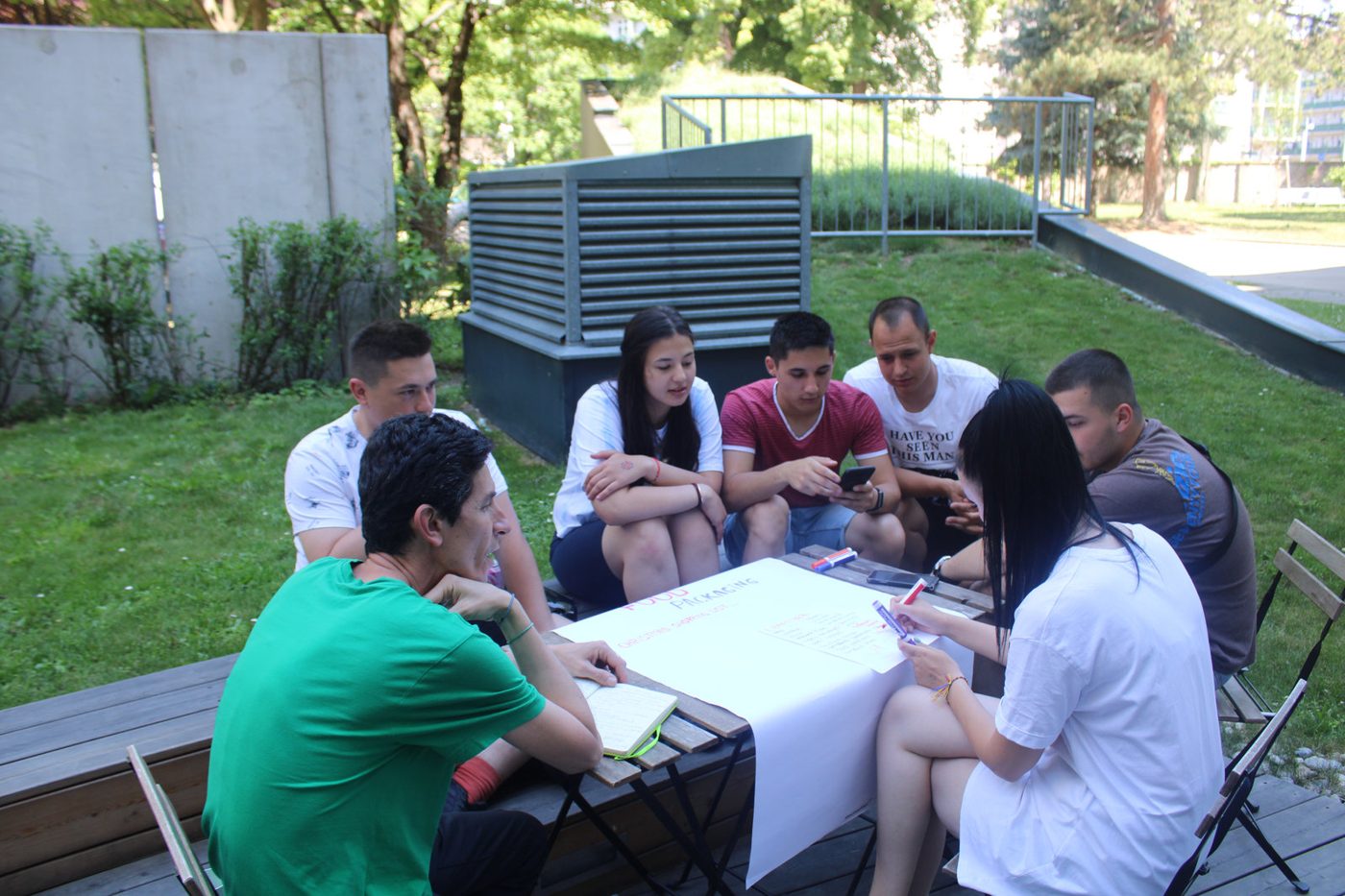
Before travelling, each country group researched environmental and sustainable practices at home, identifying good practices and areas for improvement, and prepared a presentation on a topic of its choice.
Day by day
Days 1–2Reconnecting
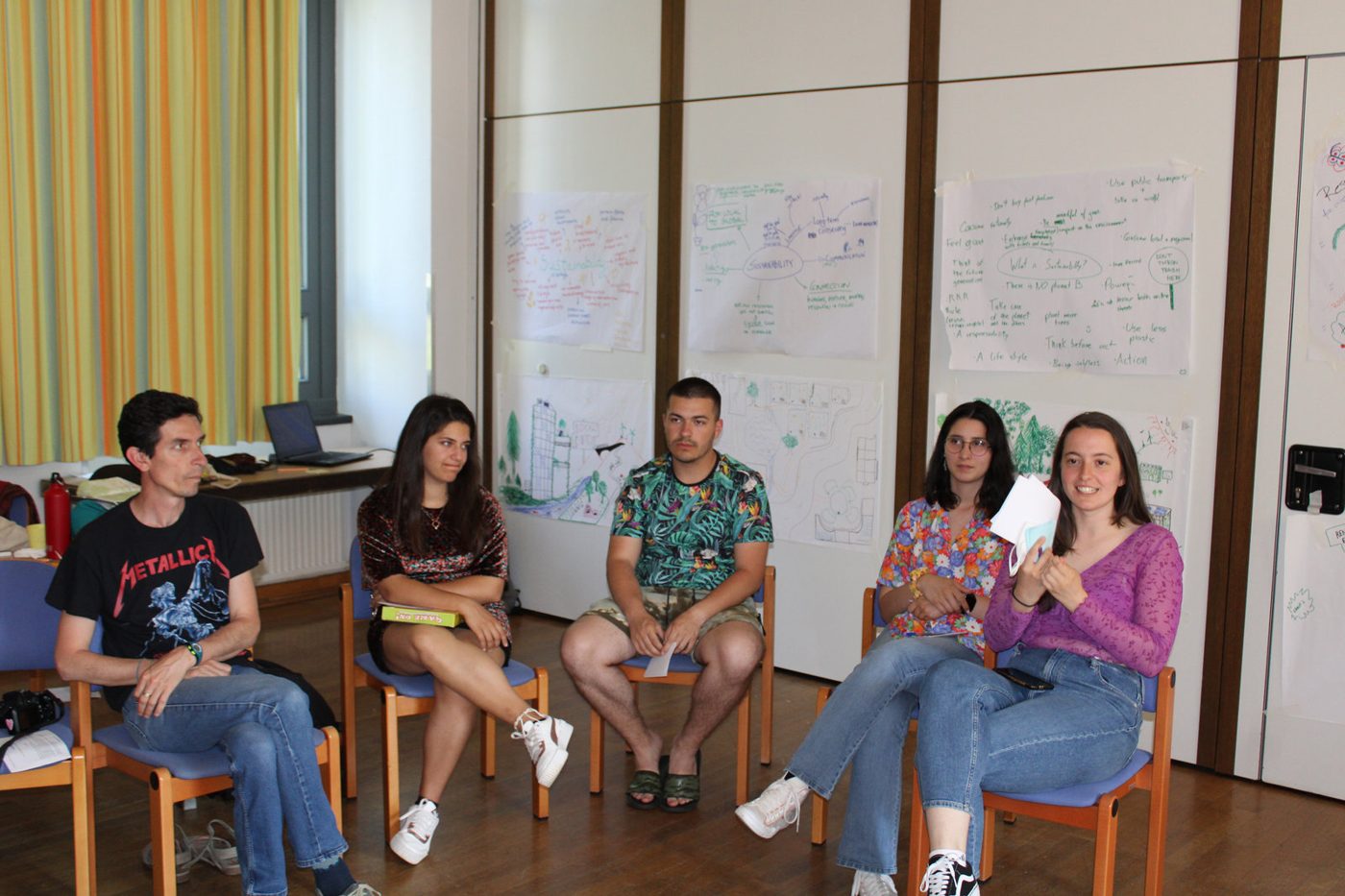
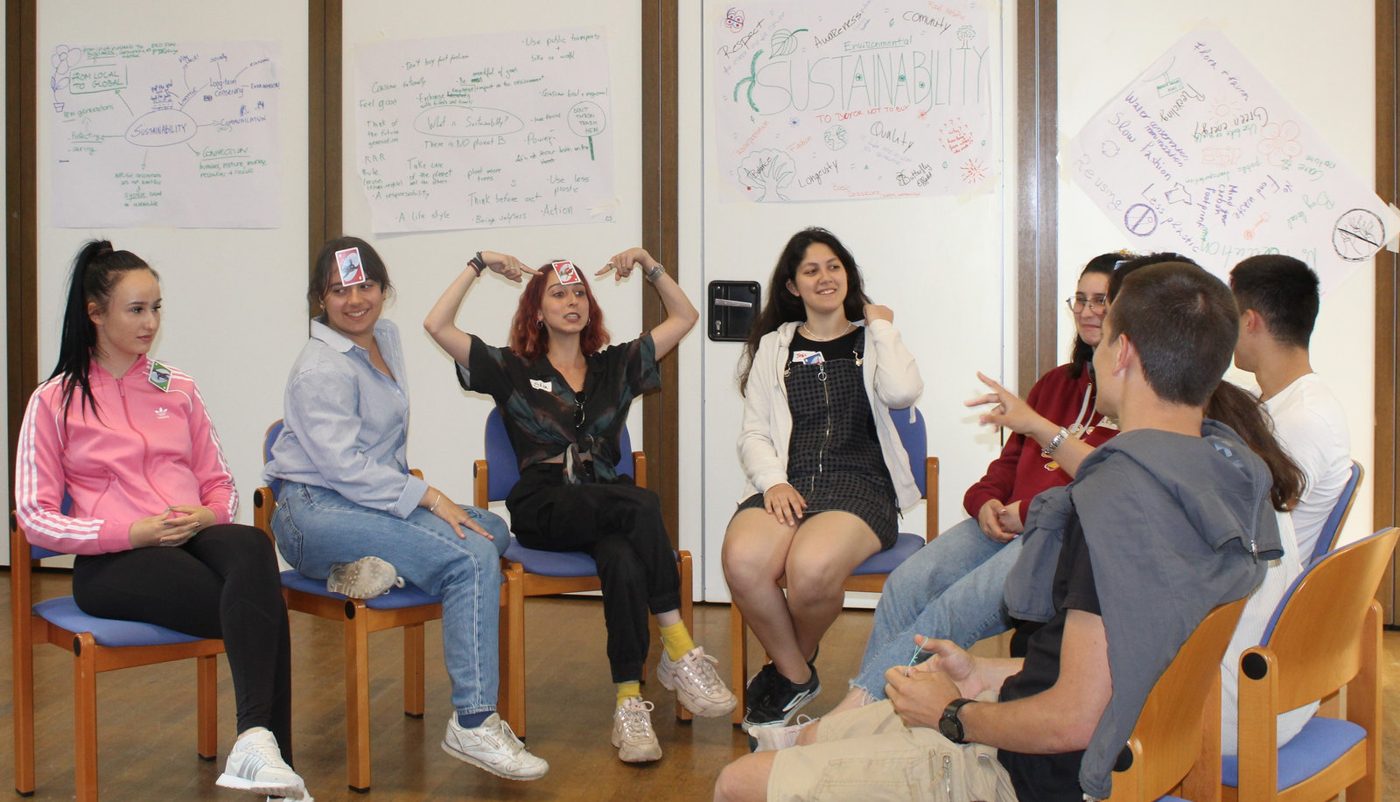
Getting to know each other, team building, intercultural exchange and reconnecting with ourselves and nature, then exploring environment, sustainability and their links with mental health. Debates on social inequality led us to add time for reflecting on our own environmental habits.
Day 3Seeing it for real
A study visit to the smart city Seestadt, followed by the community garden Kraut und Blüten, where the gardeners shared how the garden supports their health. Participants then cleaned, watered and planted in the garden themselves.
Day 4Good practice
A visit to the social enterprise GRÜNSTATTGRAU, which showed how rooftops can become community gardens that help both the environment and wellbeing, followed by the mid-term evaluation.
Day 5Back to nature
A surprise trip to a park outside the city. Outdoor exercises engaged all five senses and helped participants rethink unconscious habits that harm the environment.
Day 6Taking it home
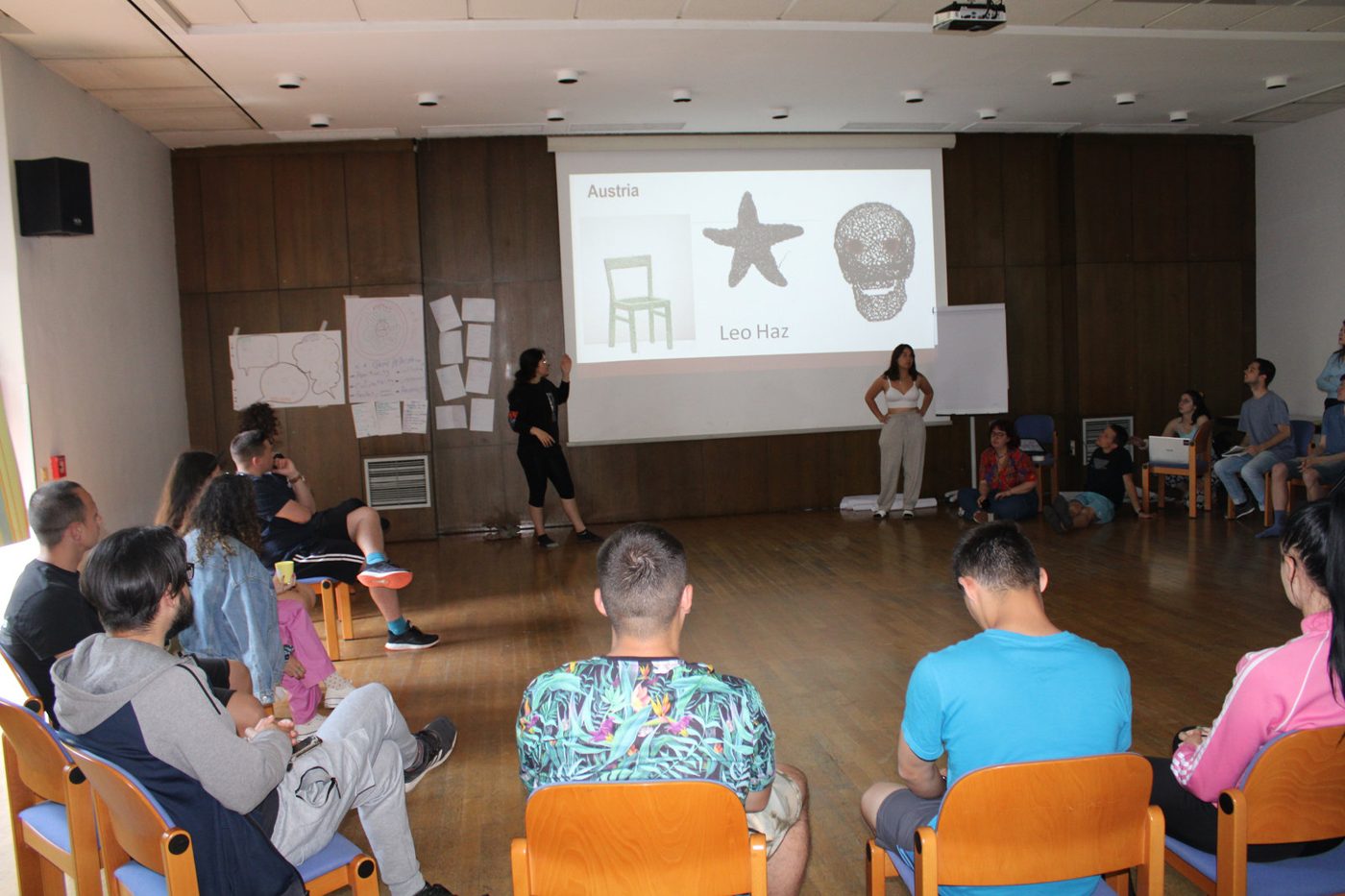
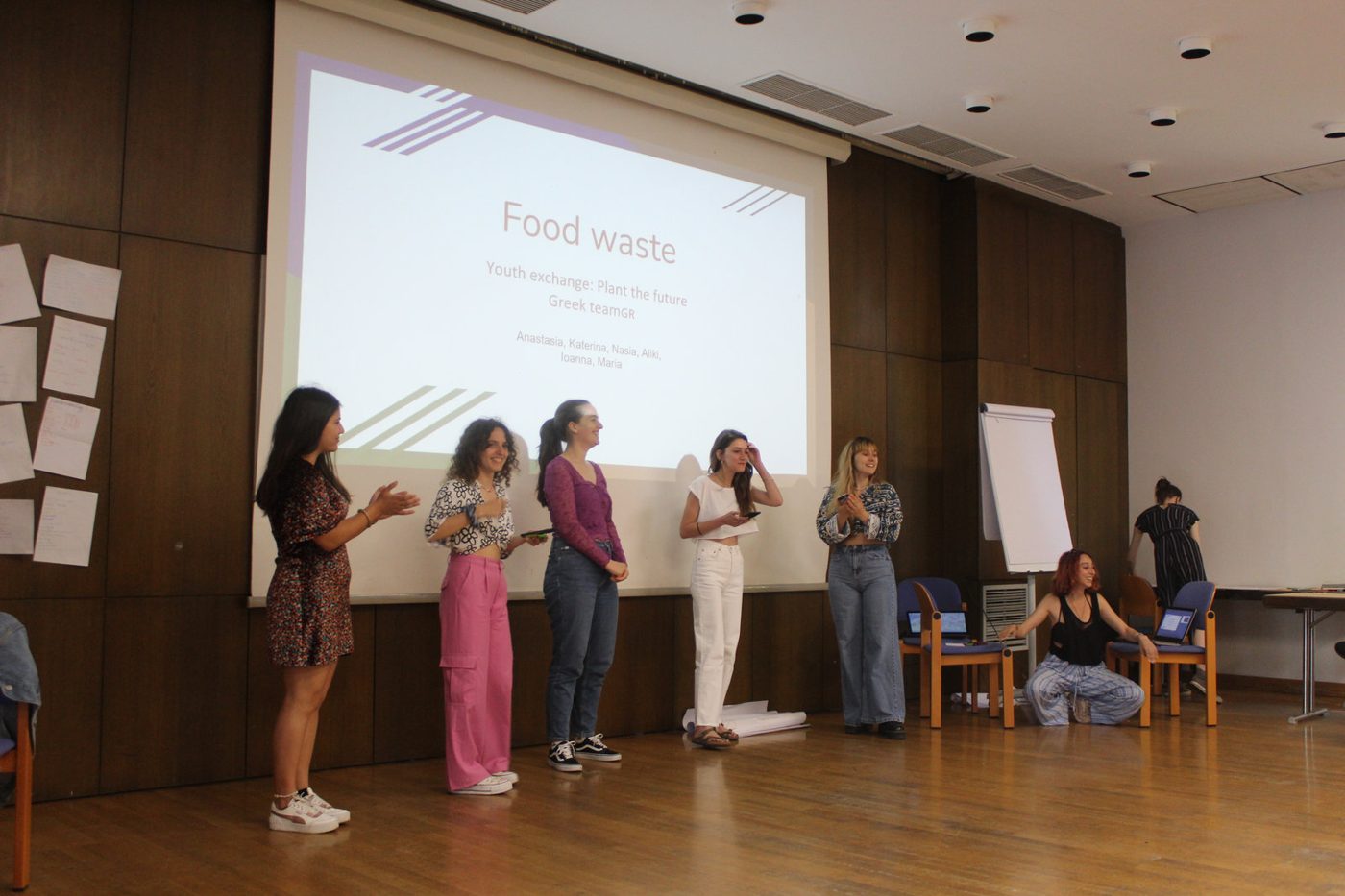
Country presentations on food packaging, food waste, eco-shopping and fast fashion, then local action plans with feedback from the group, a final evaluation and Youthpass certificates.
AustriaClothes swaps and gardens
A clothes swap on the effects of fast fashion reached more than 30 young people and started a Vienna swap group that now has more than 55 members. Team members also joined community gardens in the 2nd, 9th and 15th districts.
RomaniaA school garden
An event at their school informed more than 30 students about Erasmus+ and the exchange, and ended with planting the seeds from Vienna. The school garden is now the students' community garden.
GreeceSpreading the seeds
The team shared the experience at their regular clean-up meetings, started planting for the first time and is planning further projects on sustainability with the Austrian team.
PortugalPlastic-free cooking
A cooking workshop showed young members how to buy plastic-free, environmentally friendly products and still cook a delicious meal.
This international project was realised with the support of the Austrian National Agency OeAD of the Erasmus+ Programme of the European Union. EMOTiC was the main coordinator and beneficiary.
Partners: Active Green Solution (Greece), Gerar Oportunidades (Portugal), Onestin – Asociatia de Tineret (Romania).
Project reference: 2021-1-AT01-KA152-YOU-000034173