What happens when you equip young people with the right questions, not the answers, about our planet's future?
You get critical conversations, renewed climate engagement, and a ripple effect of sustainability awareness that starts small and spreads big.
Since launching in March 2024, the SDGs Intelligence project has been rolling out its mission across Austria, Latvia and Slovenia. Here are some of the highlights from the project implementation and our pilot workshops.
What is SDGs Intelligence about?
Funded by the Erasmus+ programme and coordinated by Ecological Future Education (EFE), SDGs Intelligence was born from a simple but powerful belief: young people deserve better tools to understand, question and act on sustainability.
Too often, education about the Sustainable Development Goals (SDGs) is limited to slide presentations, abstract theory or feel-good slogans. For many young people, especially those disillusioned by polarising climate activism or overwhelmed by global challenges, this approach does not inspire action. It creates distance. That is why SDGs Intelligence takes a different route.
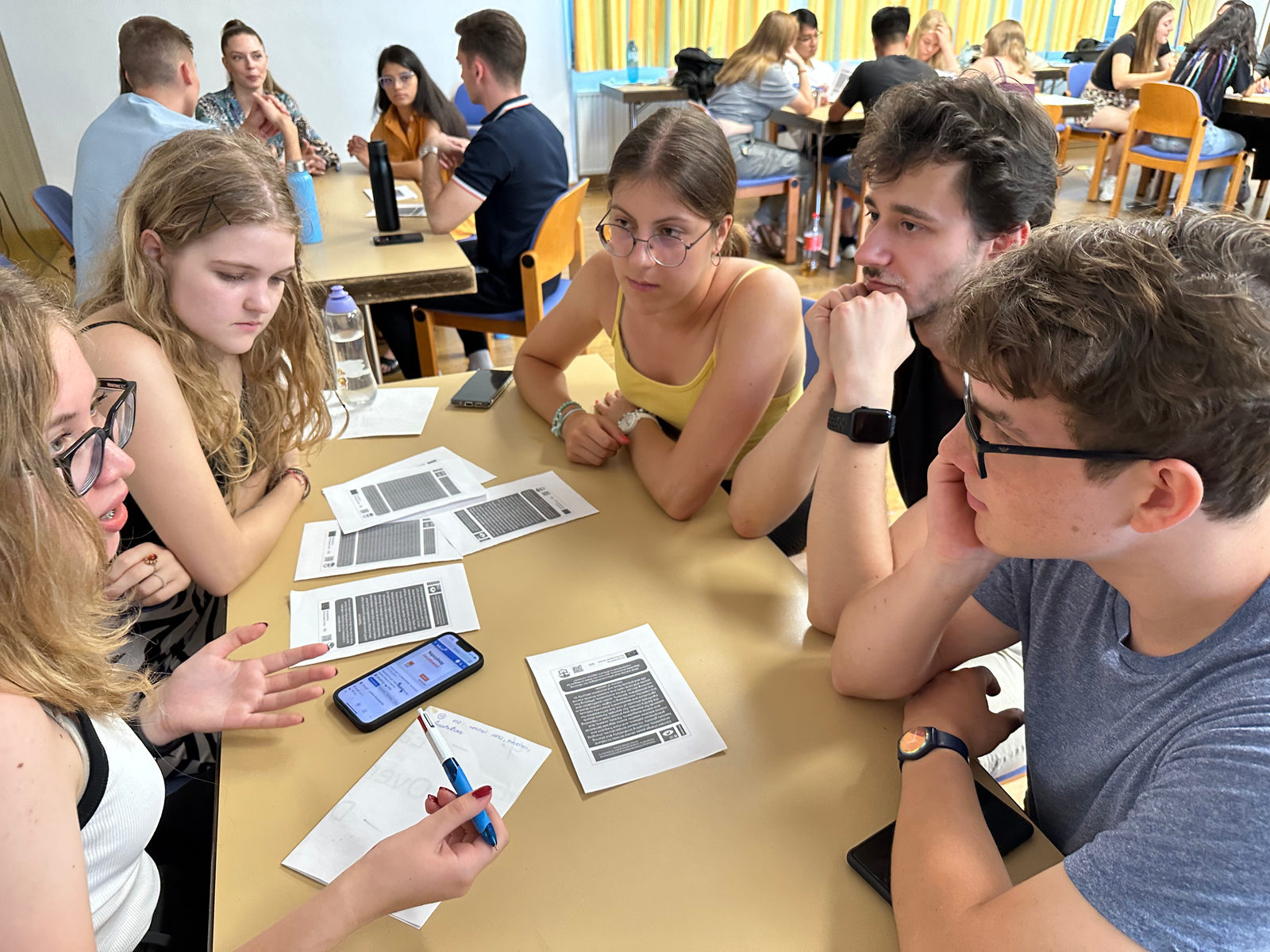
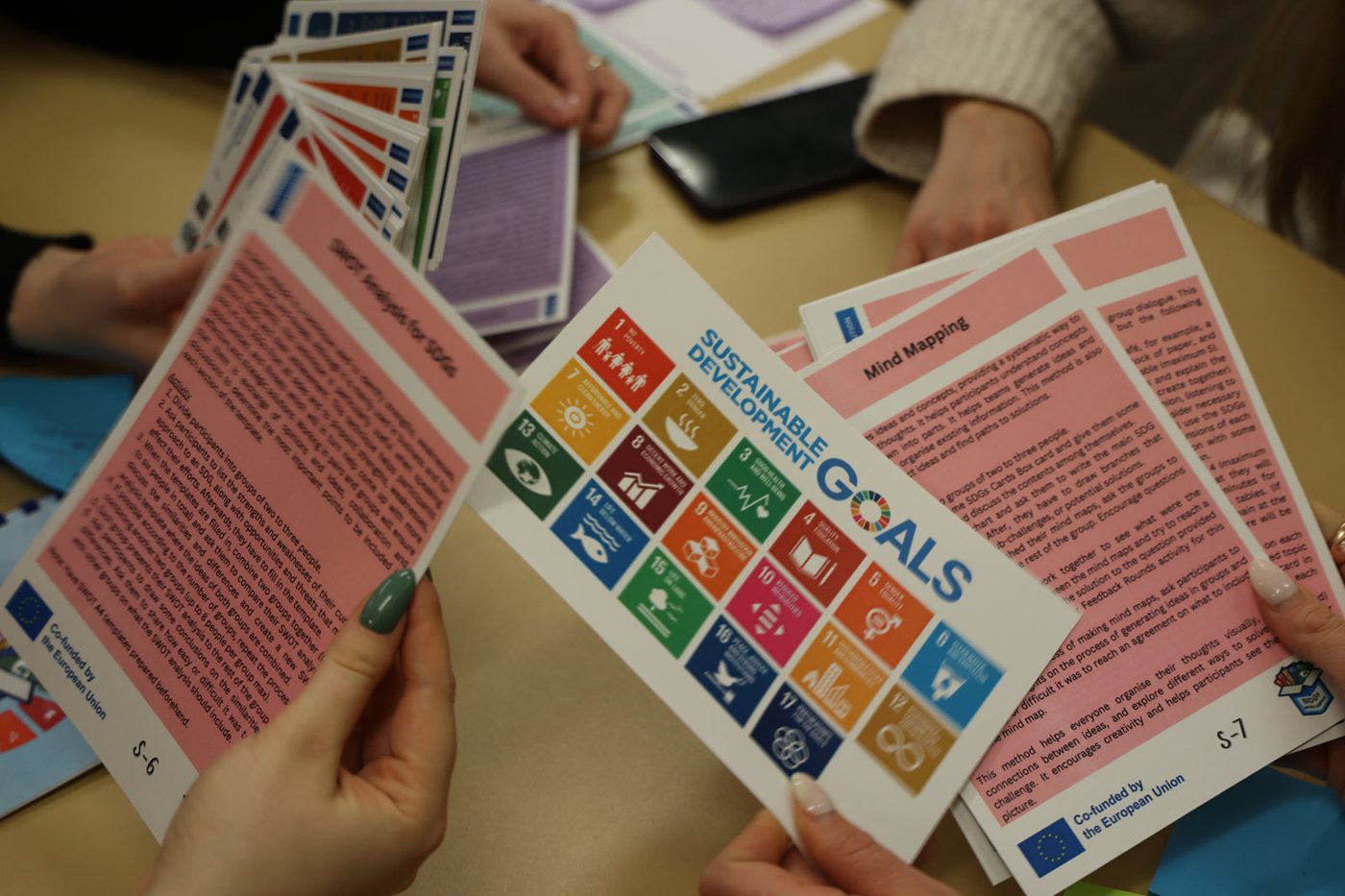
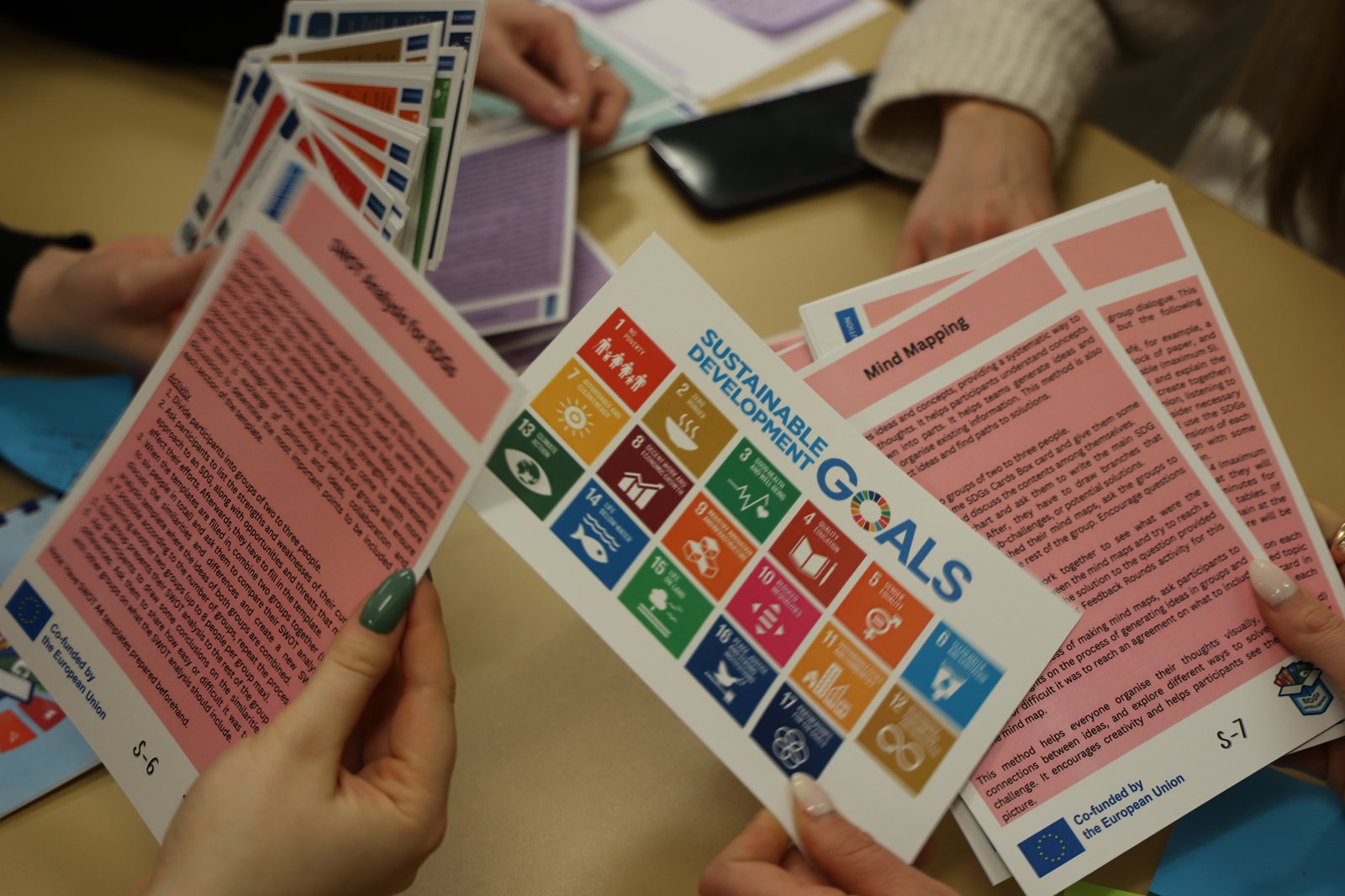
At its heart is a new, participatory educational tool: the SDGs Cards Box. It is not just another learning resource; it is a conversation engine. With 70 carefully crafted cards, the box prompts real dialogue around each of the 17 SDGs, inviting young people to reflect, debate and imagine solutions through three lenses: ecological, social and economic. Each card includes critical questions, data-backed prompts and contextual insights that spark curiosity and challenge assumptions. They are not designed to deliver ready-made answers; they are designed to help young people find their own.
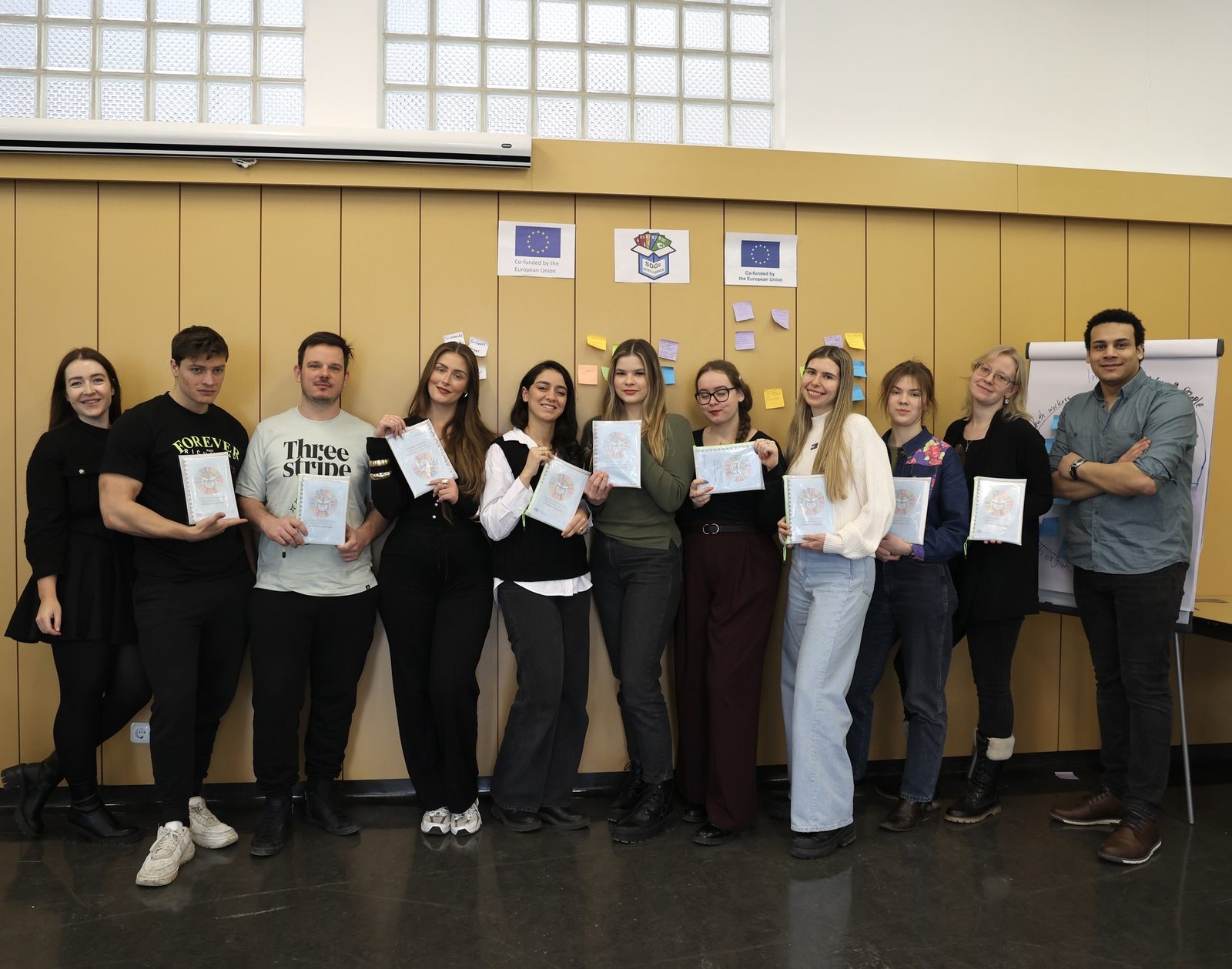
The project also includes a practical guide for youth workers, so that educators, mentors and facilitators feel confident using the cards in real settings, whether that is a youth centre, a classroom or a park bench. Paired with interactive, inclusive local workshops, the tool becomes the starting point for meaningful engagement, where sustainability is not just taught but lived, explored and reimagined by young people themselves.
Behind the scenes: building the tools
From April to July 2024, the project partners EMOTiC (Austria), EFE (Latvia) and EPEKA (Slovenia) worked together in an intensive co-design phase. Using participatory methods such as the Reciprocal Maieutic Approach (RMA) and persona profiling, we made sure the cards were not just informative but truly reflected young people's realities, language and aspirations.
The final SDGs Cards Box includes:
- 51 question cards, three for each SDG
- 9 solution-oriented cards
- 10 support cards with instructions and extra context
- Versions in four languages: English, Latvian, German and Slovenian
Meanwhile, youth workers from the three countries joined a transnational training to learn how to use the cards effectively in workshops and adapt them to different audiences.
From design to action: local pilots
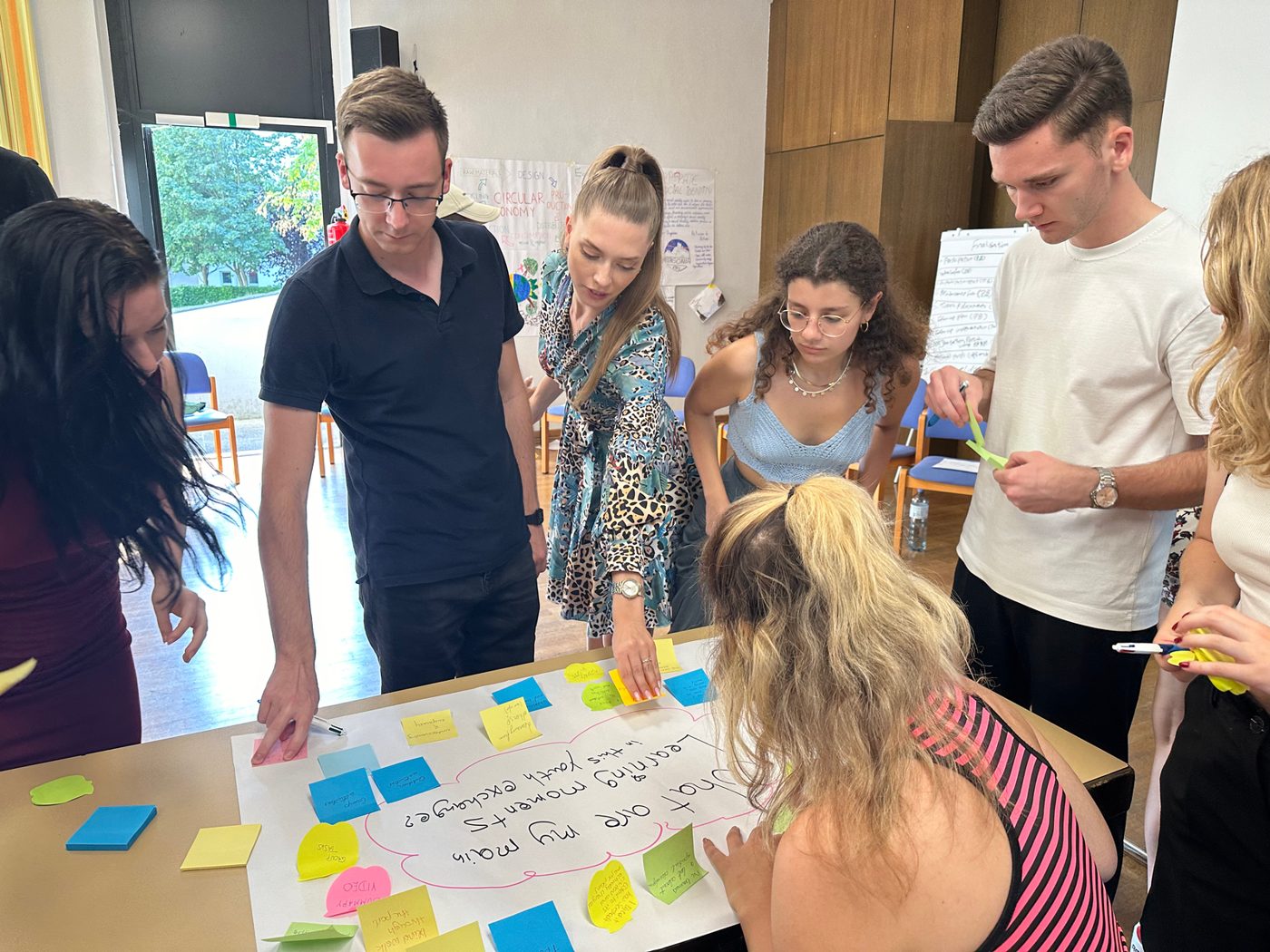
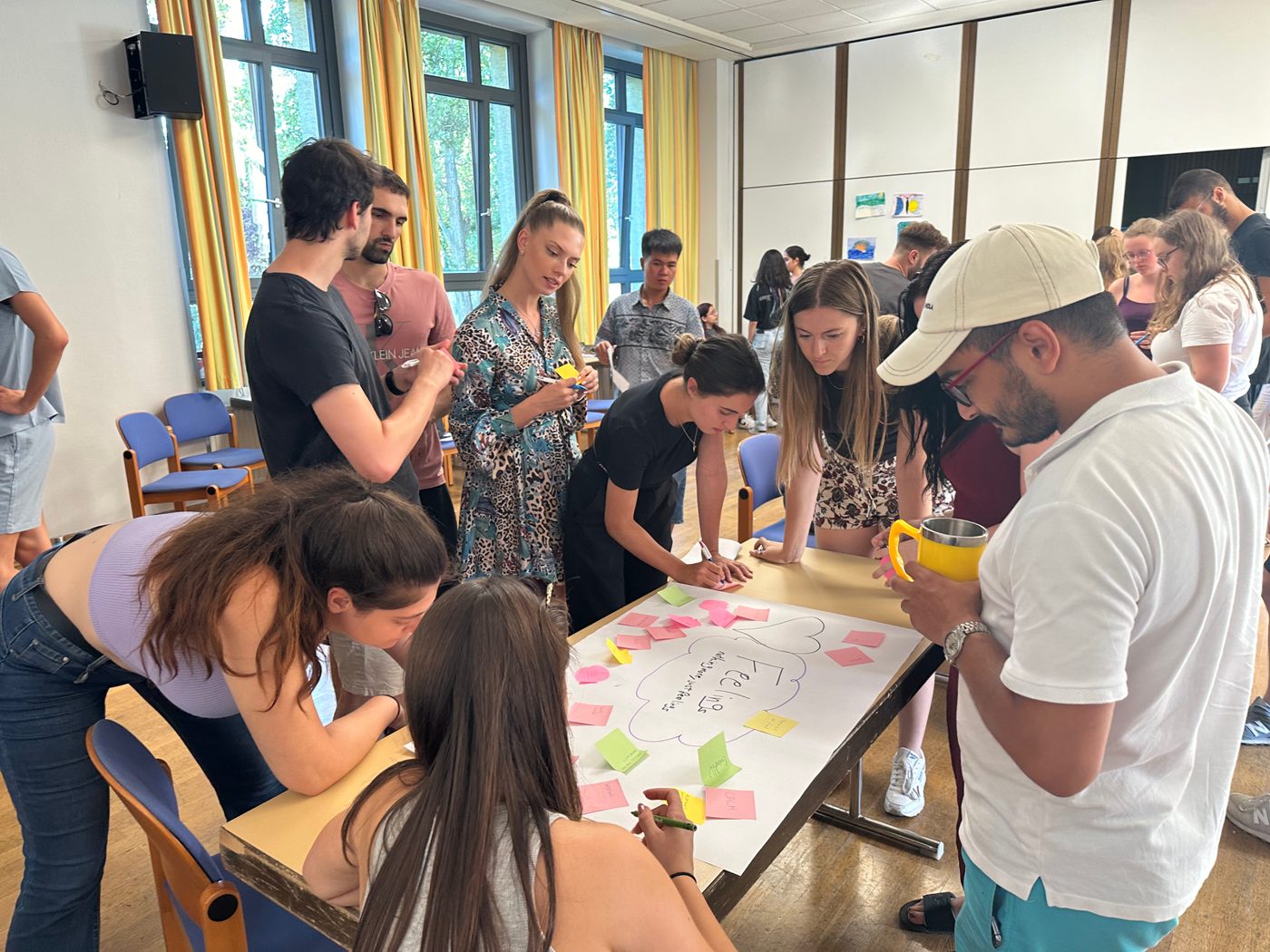
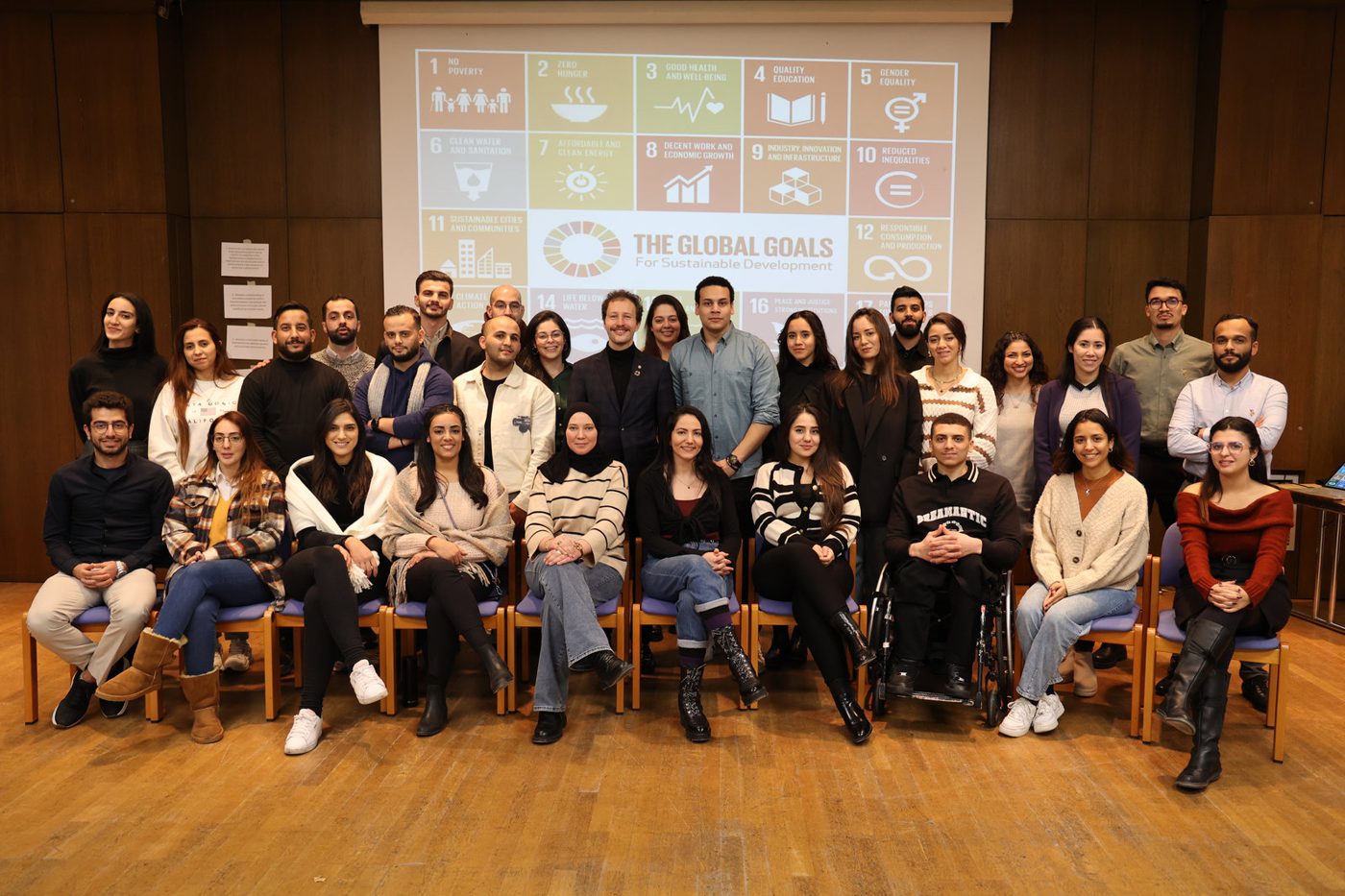
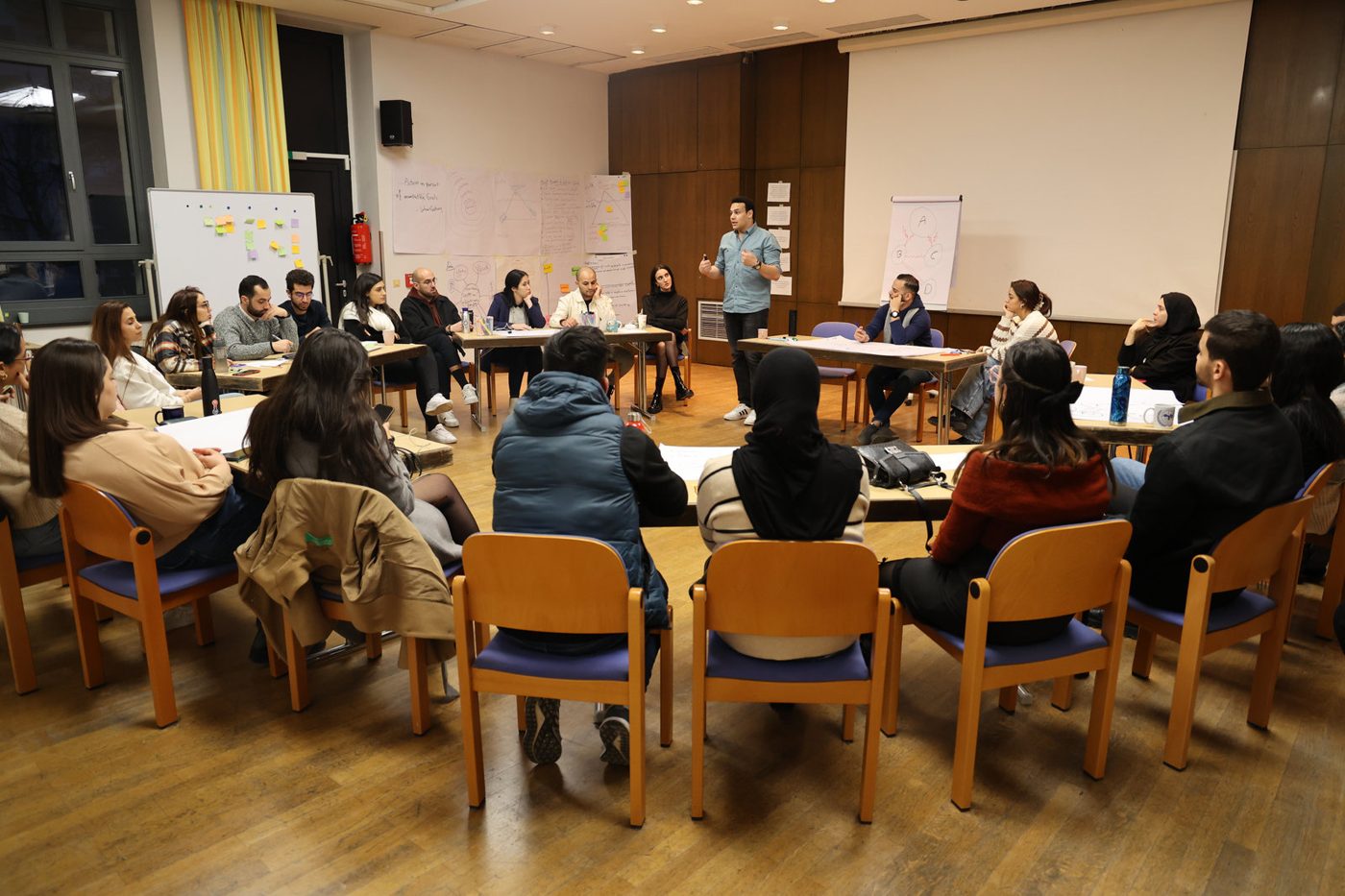
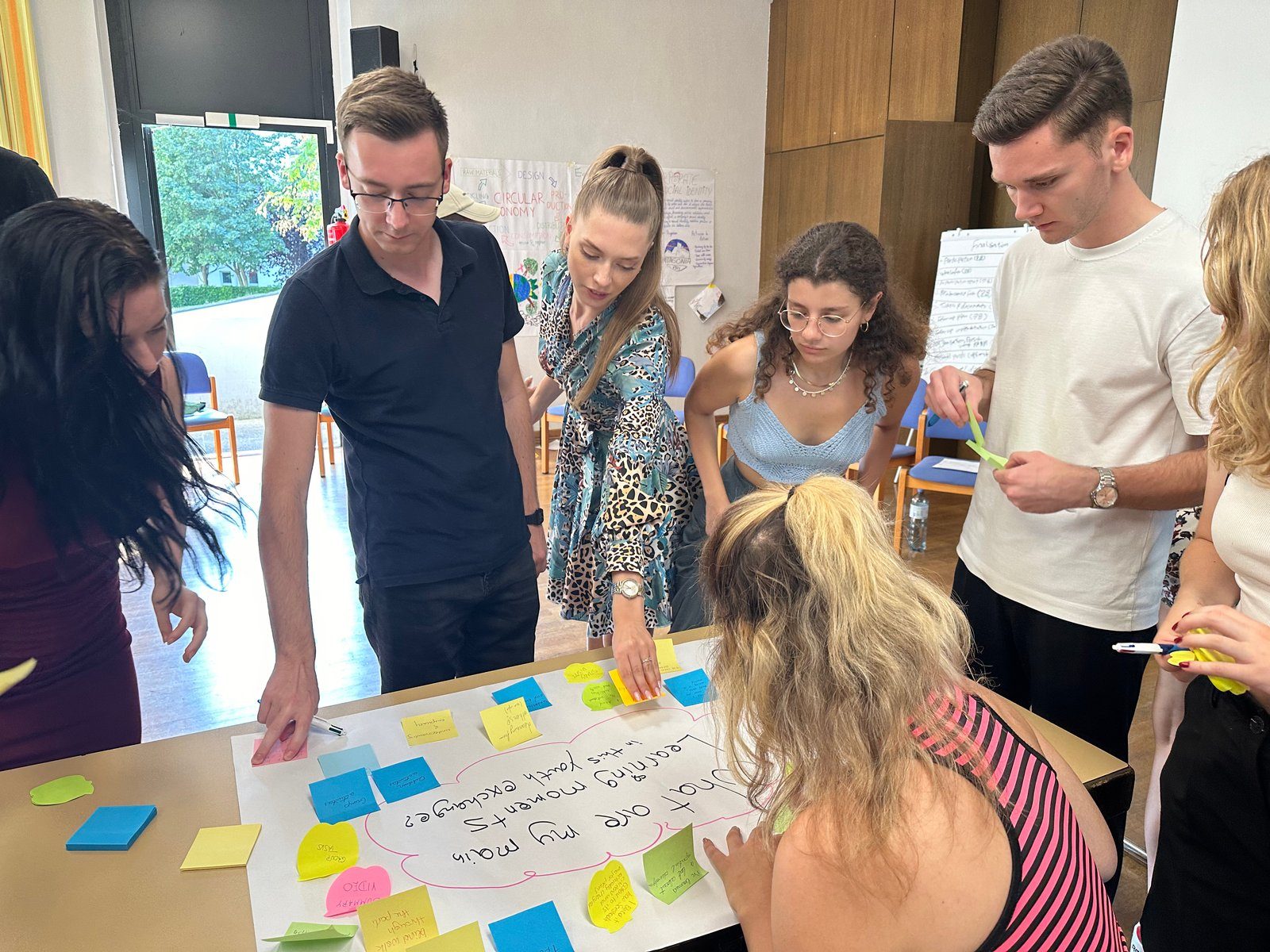
Between September and December 2024, we ran local pilot workshops in each country, the first real-world test of the cards with young people.
Austria
Using the cards in EMOTiC's Climate Lab, young participants connected social equity with climate action. The conversation around SDG 10 (Reduced Inequalities) led to a youth-led campaign for second-hand school supplies, reducing both waste and economic pressure on families.
Latvia
In small groups, young participants explored the SDGs that mattered most to them, from sustainable cities to quality education. One highlight: a group proposed a "green corridors" initiative to increase biodiversity in their schoolyards, inspired by SDG 15 (Life on Land).
Slovenia
At EPEKA's community hub, young people from underrepresented backgrounds, including Roma youth, held lively debates about economic sustainability and access to green jobs. The cards sparked new ideas for local entrepreneurship linked to SDG 8 (Decent Work and Economic Growth).
In total, more than 50 young people took part in the first pilot phase, and more are joining as the materials are shared openly with other youth groups and educators.
Amplifying the voices
To keep the momentum going, each partner ran a social media campaign to spotlight youth perspectives, share insights from the pilot workshops and invite others to explore the SDGs Cards Box. Follow #SDGsIntelligence to see how young people are reclaiming the sustainability conversation, one question at a time.
Final phase: completed and shared
The final stage of SDGs Intelligence is complete. The SDGs Guidebook has been published and made freely available online, and youth workers across Europe have started using the Cards Box in their educational activities. Insights from the local pilots were used to improve the tools, and dissemination was expanded through the Erasmus+ and SALTO platforms. As of March 2025, the project has laid the foundation for more than 100 educators and youth workers to lead meaningful, inclusive and action-driven conversations about sustainability.
Resources for download
All project resources are free to use and adapt under a Creative Commons licence.
Get involved
Whether you are a youth worker, a teacher or simply passionate about sustainability, we invite you to download the SDGs Cards Box, join the conversation and help young people turn global goals into local action. For updates, resources and stories from the ground, follow our social media or contact us.
Overall, SDGs Intelligence was a success on many levels. The SDGs Cards Box was co-created and piloted with youth workers, facilitators and more than 50 young people, and through follow-up events, social media and wider community engagement the project reached more than 400 people.
"What I loved most was how we started by exploring the SDGs through guided questions. It wasn't just about giving answers, it was about asking the right things and thinking together."A participant
"I always thought sustainability was something far away, for governments or scientists. Through this project, I realised how connected it is to my everyday life."A participant
"As a youth worker, I've used many tools over the years, but this one felt fresh. It encouraged deeper conversations, and the guidebook made it easy to adapt to our group's needs."A youth worker
Photo gallery
This international project was realised with the support of the Latvian Erasmus+ National Agency of the Erasmus+ Programme of the European Union. It was coordinated by the Latvian organisation Biedrība Ecological Future Education with EMOTiC (Austria) and EPEKA (Slovenia) as partners.
Project reference: 2023-3-LV02-KA210-YOU-000183294
Erasmus+
Environment
Reports