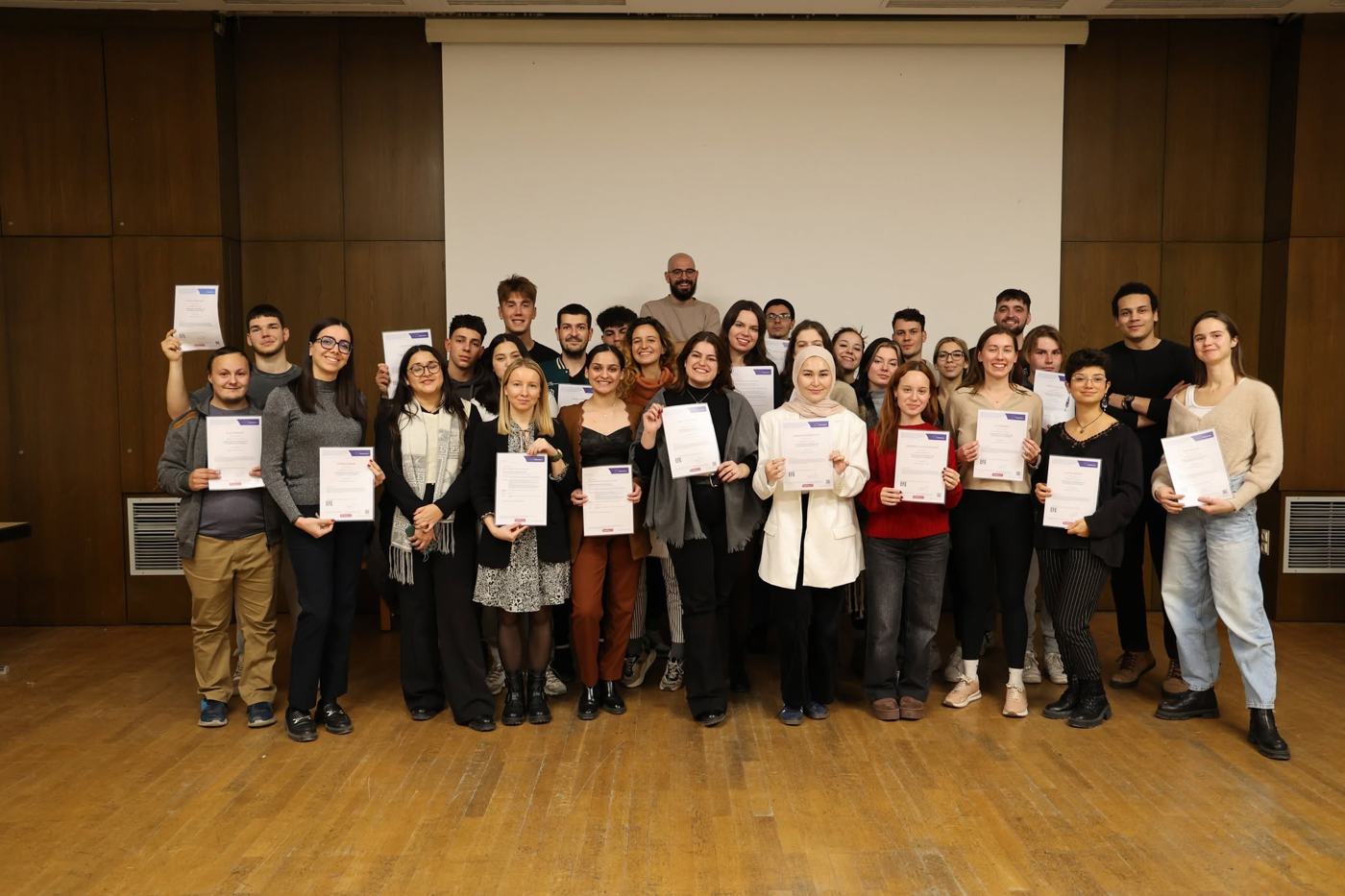
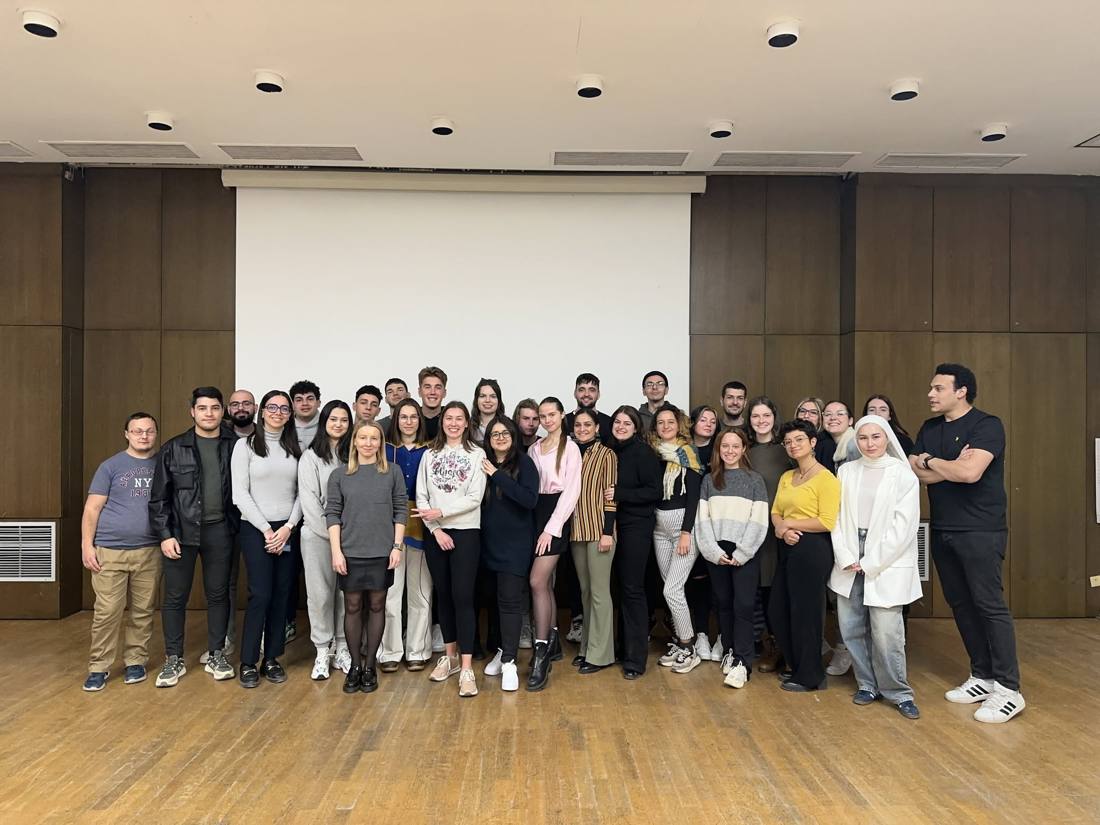
The course was coordinated by Ecological Future Education in Latvia and hosted by EMOTiC in Vienna. It brought together 30 youth workers aged 20 to 35 from ten countries. The other partners were EAST (Croatia), Active Green Solution (Greece), OEMFCI (France), Szatyor Egyesület (Hungary), OTI (Slovakia), Petrklíč help, z.s. (Czechia), Inkluzivni pokret (Serbia) and ACDC (Romania).
All news
Report
9–16 November 2024, Vienna
3 min read
Training course: Transformative Mindset for Sustainable Development, Vienna
30
Youth workers
Aged 20–35
10
Countries
Austria, Croatia, Czechia, France, Greece, Hungary, Latvia, Romania, Serbia, Slovakia
8
Days in Vienna
9–16 November 2024
Why conflict transformation matters for sustainability
In a world facing complex challenges such as climate change, poverty and inequality, sustainable development has become essential. Yet conflicts at personal, community and cultural levels can hold it back, leading to damaged relationships, more violence and deeper exclusion, and to harmful acts such as overfishing, unequal distribution of resources and damage to ecosystems and biodiversity. The after-effects of crises like the COVID-19 pandemic have added stress, tension and social injustice. In some regions of Europe, up to 45% of young people face barriers to personal fulfilment and full participation in society.
Lasting progress needs communities to shape and carry out their own initiatives, and the Conflict Transformation Approach offers a strategic way to plan them. This Erasmus+ training course gave youth workers that approach and its elements: conflict analysis, planning of initiatives, dialogue, design thinking and negotiation, with a clear focus on game-based education.
What we set out to do
Its objectives included deepening understanding of the Sustainable Development Goals and their social, economic and environmental dimensions, exploring strategies to manage and resolve conflicts that affect sustainable development, building problem-solving skills for youth-focused, community-driven initiatives, and strengthening civic engagement as a driver of grassroots change. The partners also set out to develop an online resource library to support future sustainable development projects.
The programme
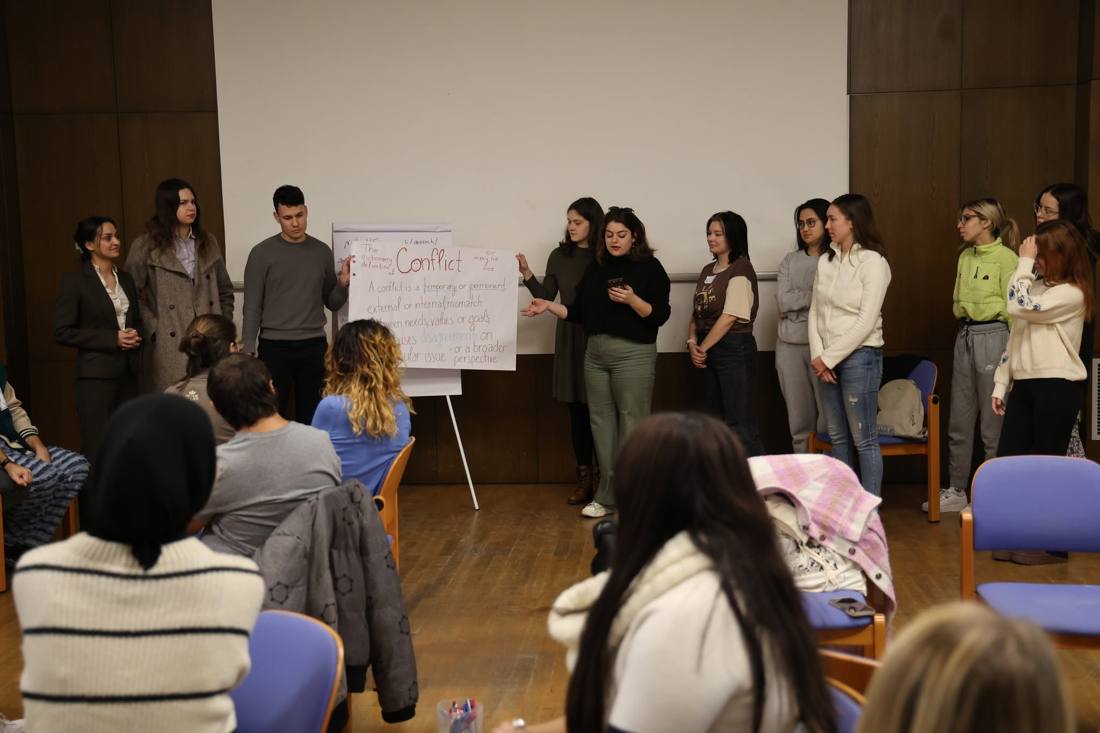
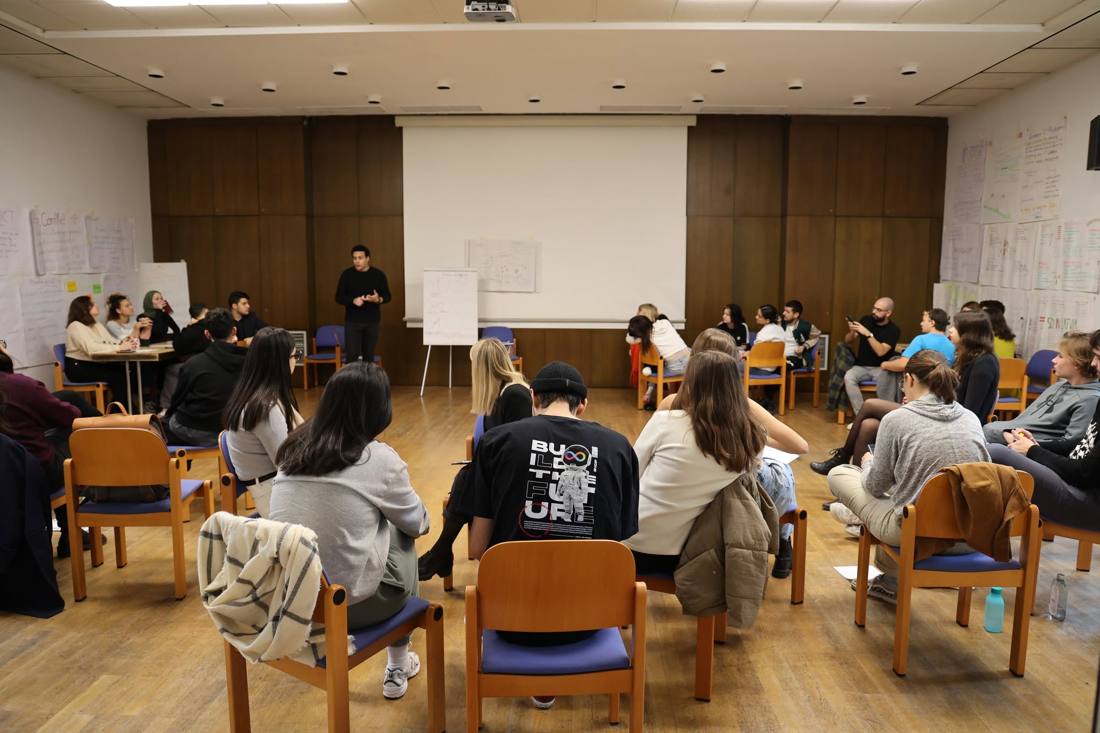
The programme moved from understanding conflict transformation and conflict analysis to connecting them with sustainable development. Participants explored theories of conflict transformation, skills for mediating conflicts, advanced strategies and reflective practice. A deep dive into the goals of sustainable development led into design thinking for sustainable projects and an immersive simulation on sustainable development through conflict transformation.
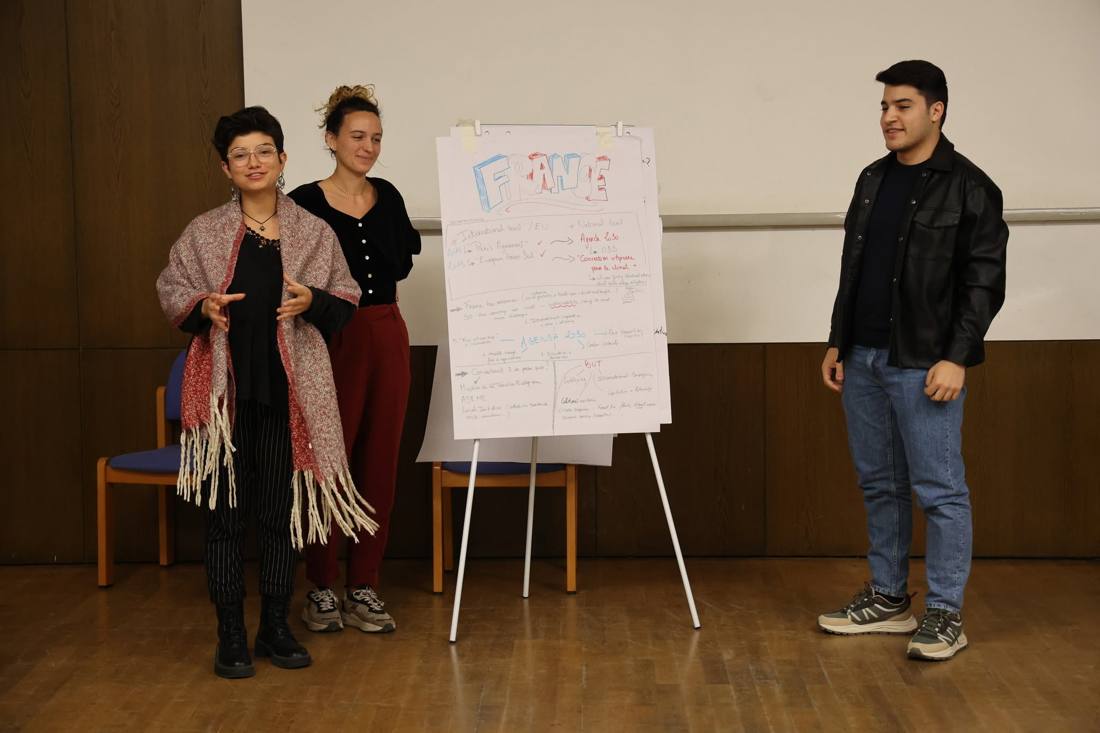
In small groups, participants developed practical sustainability initiatives for youth work, presented them for feedback and turned them into follow-up plans for their communities. The final day focused on transfer to local youth work, learning outcomes and final journaling. Evenings brought an intercultural night, a games night and a farewell party, and a Youthpass session helped participants recognise what they had learned.
Back home
The local follow-up phase in November and December 2024 gave participants the chance to put their plans into practice at home. As multipliers, they were also expected to share what they had learned with their organisations and with the young people they work with.
Impressions
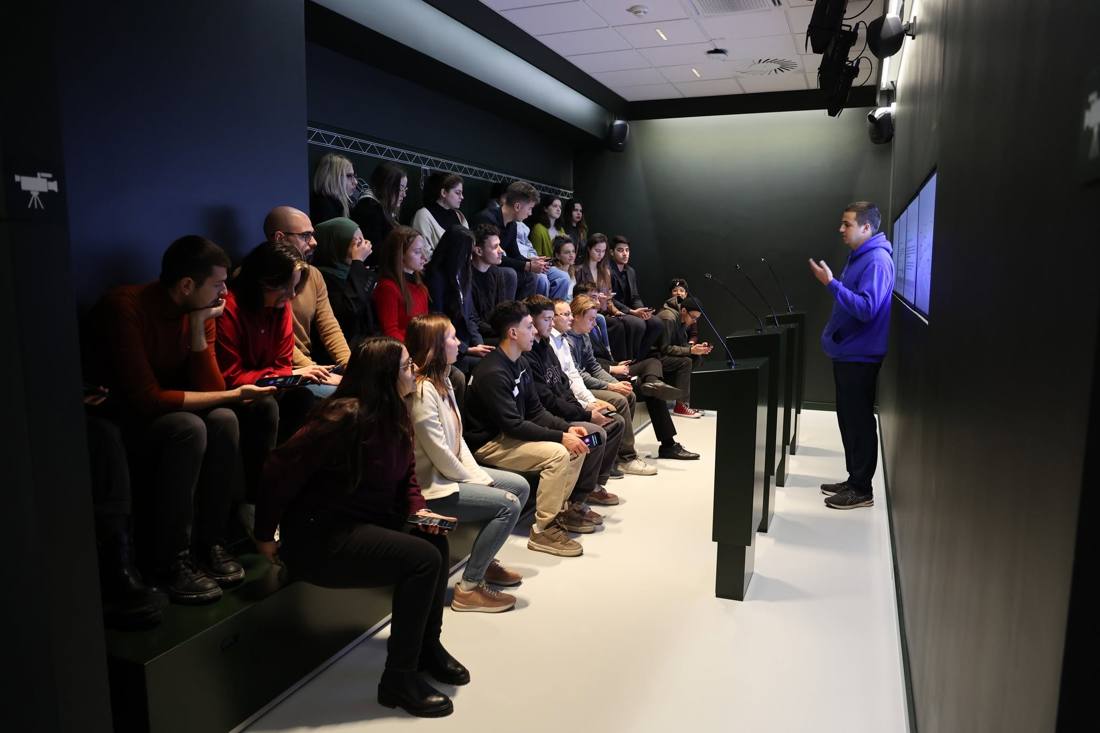
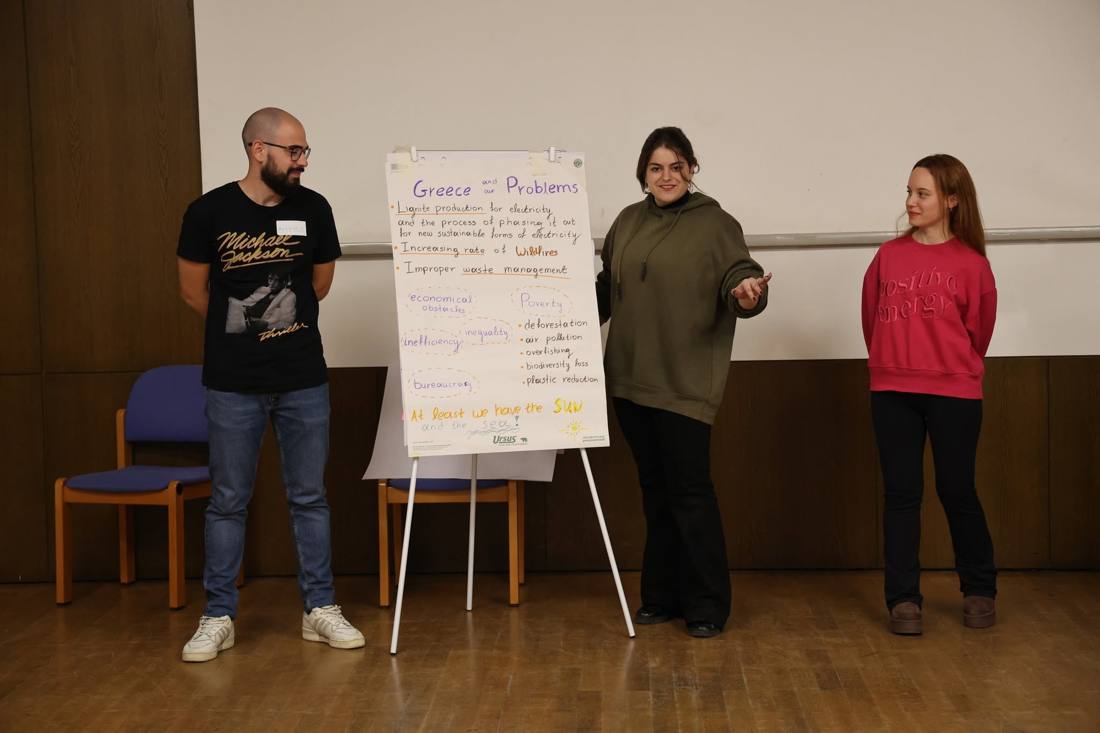
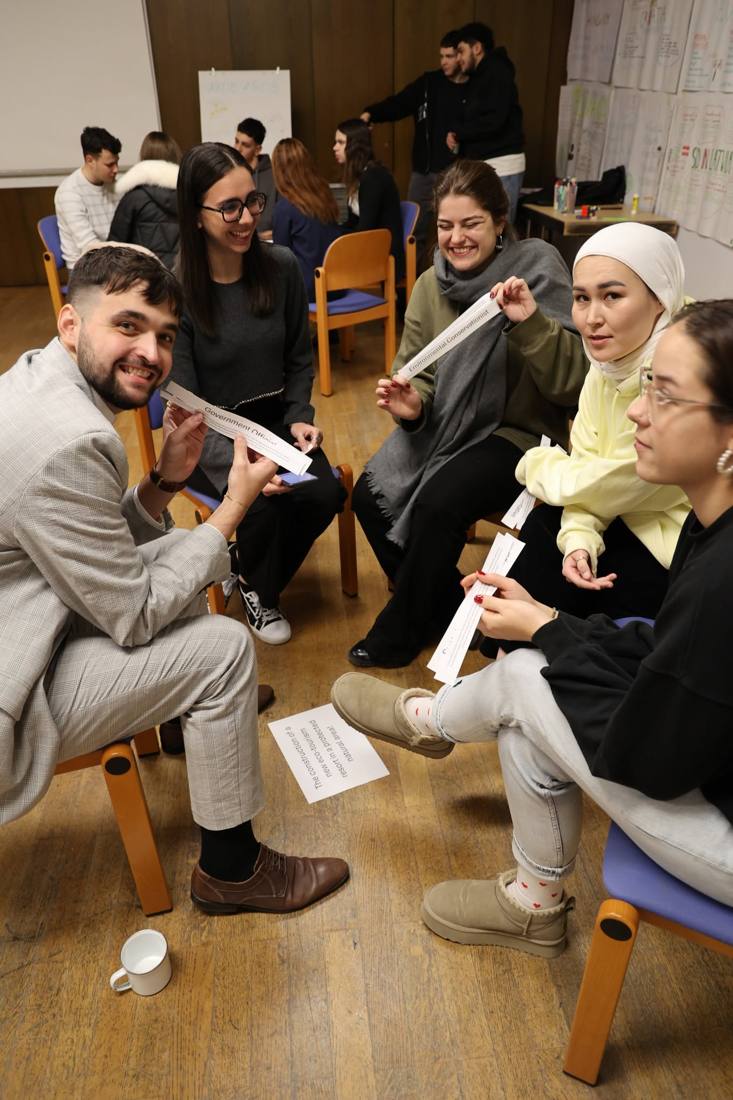
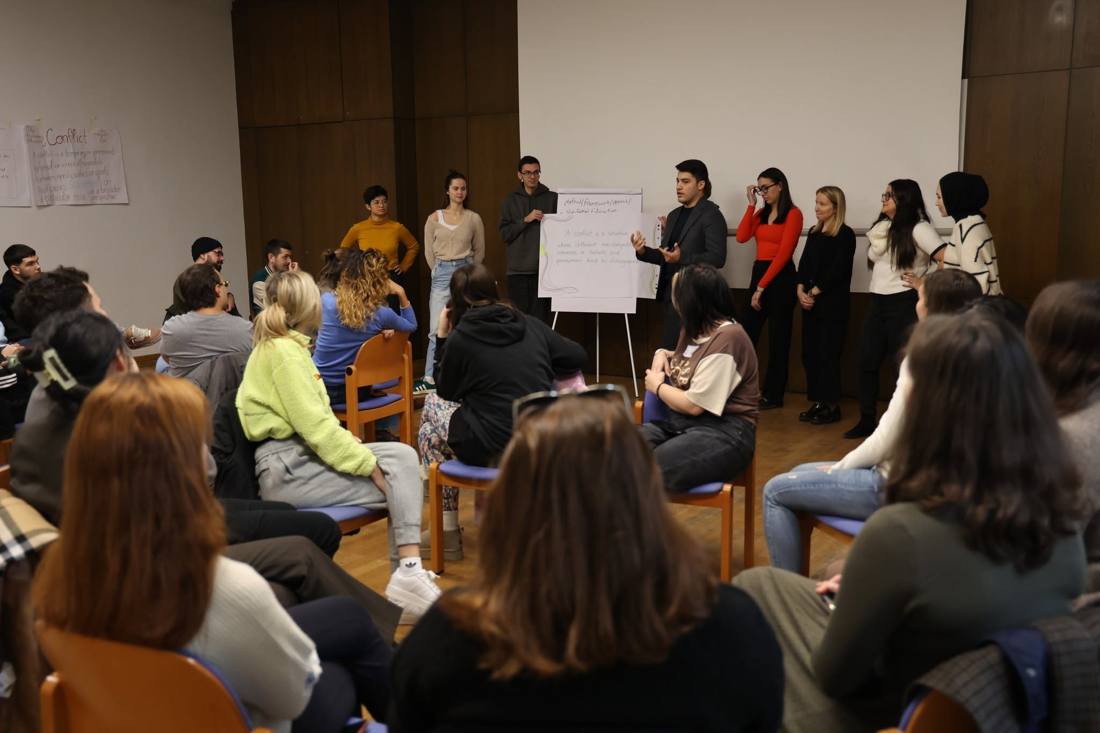
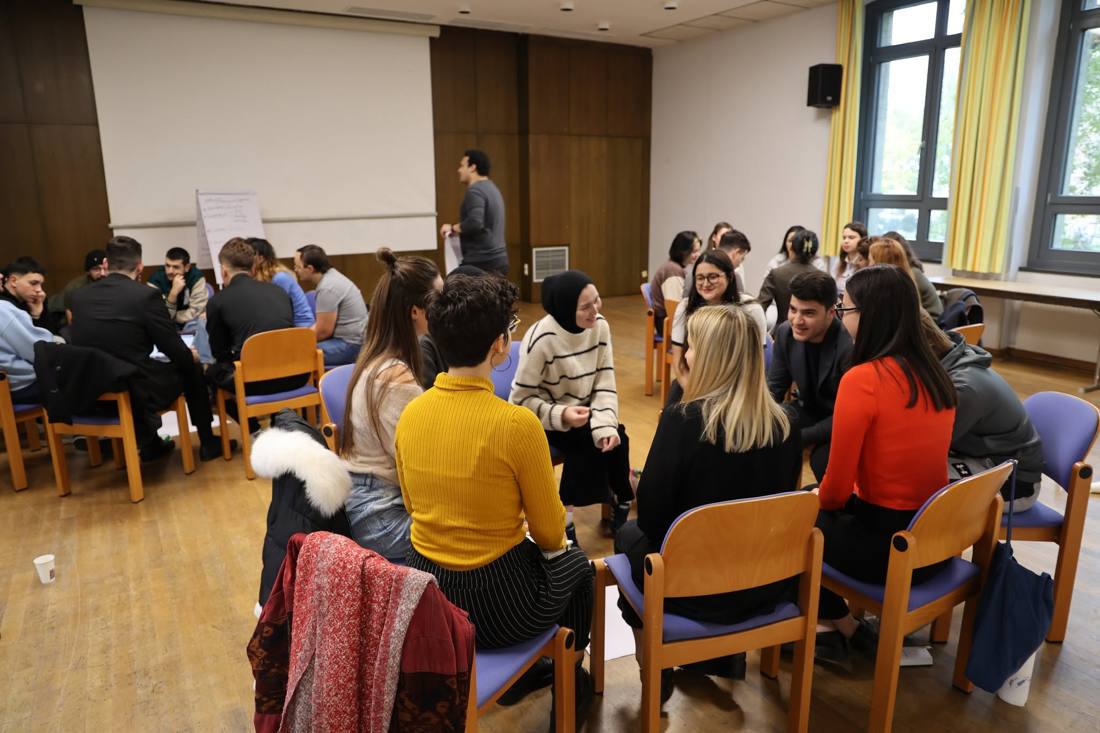
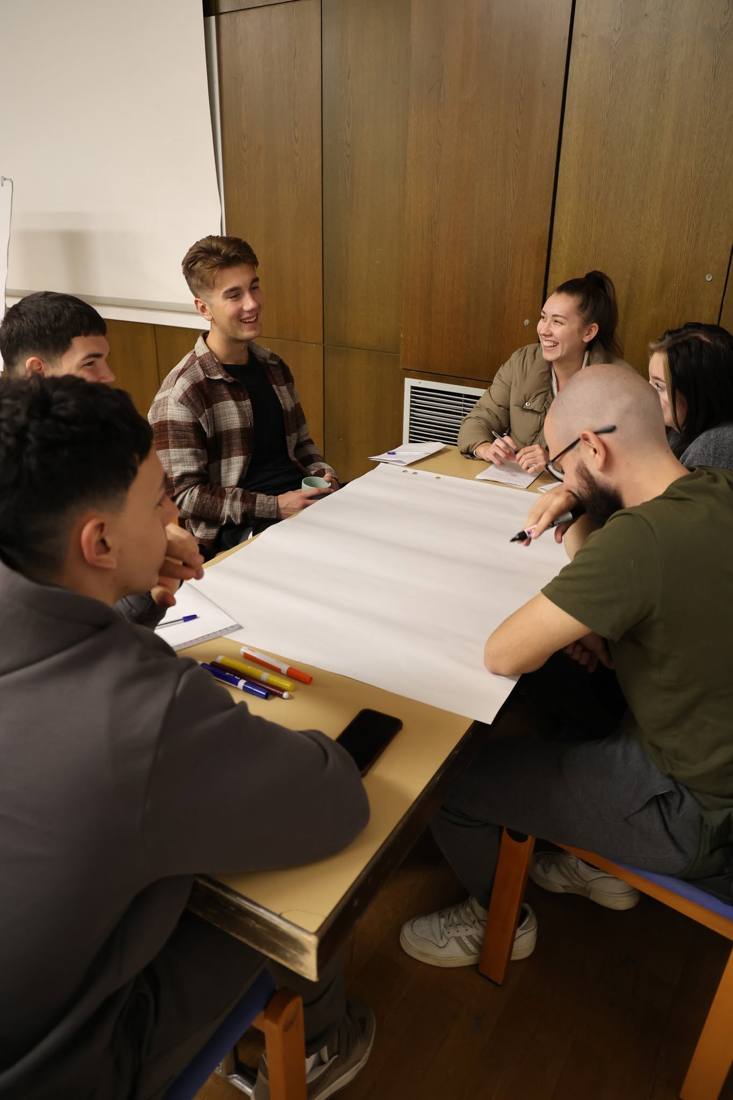

This international project was co-funded by the Erasmus+ Programme of the European Union through the Latvian National Agency. It was coordinated by Ecological Future Education (Latvia), with EMOTiC as partner and host.
Partners: EAST (Croatia), Active Green Solution (Greece), OEMFCI (France), Szatyor Egyesület (Hungary), OTI (Slovakia), Petrklíč help, z.s. (Czechia), Inkluzivni pokret (Serbia), ACDC (Romania).
Project reference: 2024-1-LV02-KA153-YOU-000216966
Erasmus+Training courseSustainabilityReports
Related posts
Report, 1–8 November 2024Youth exchange: Echoes of Environment and Digitalisation, ViennaReport, 24 November – 1 December 2024Training course: Participatory and Emancipatory Approaches for Youth Work, ViennaReport, 13–20 October 2024Training course: Revitalizing Ecosystems Through Experientialisation, Vienna