All projects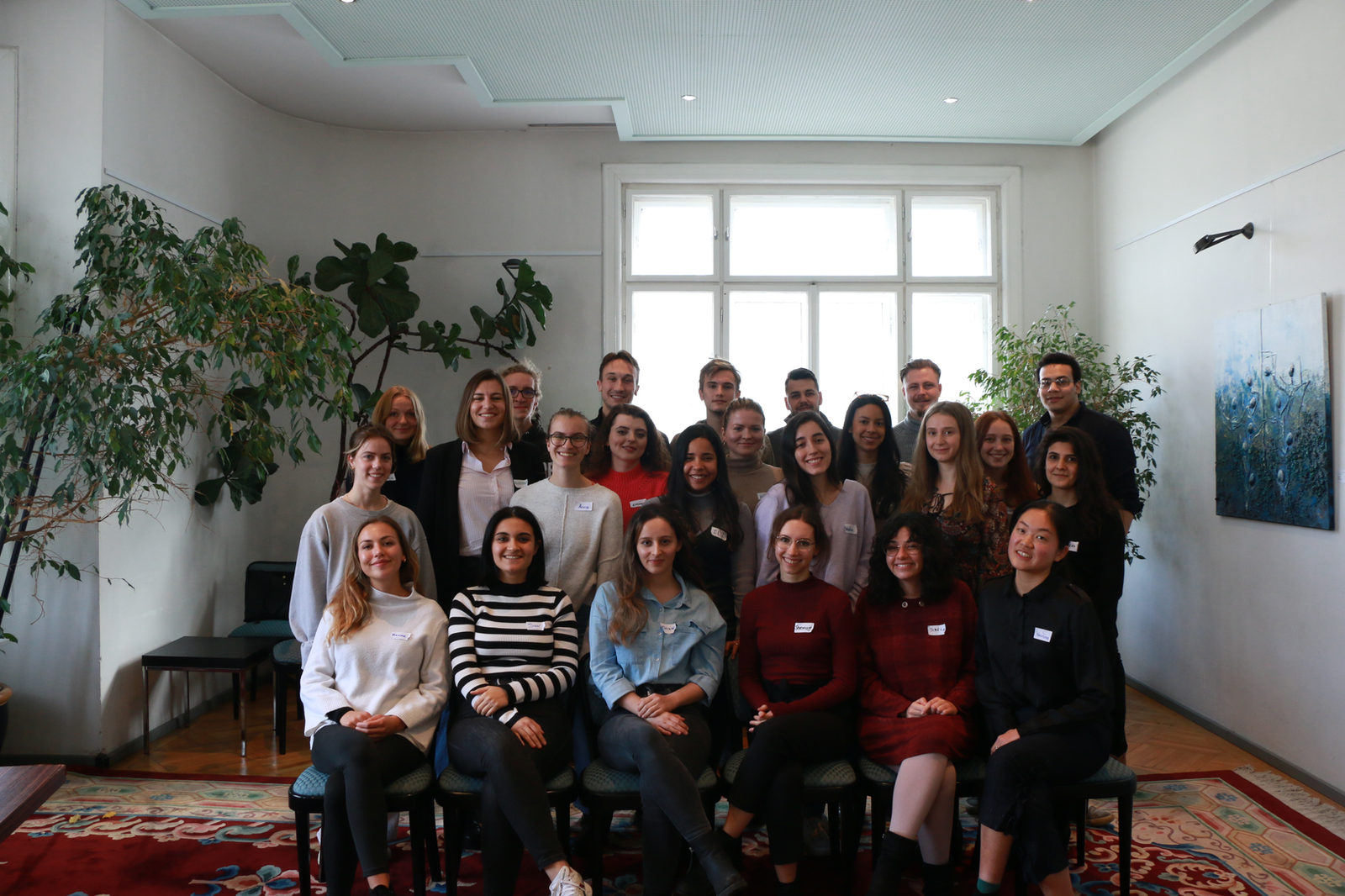
Local programmeLocal projects in Austria
Future PolicyShapers Programme: Alternative Dispute Resolution
November 2021 – February 2022Vienna, Austria
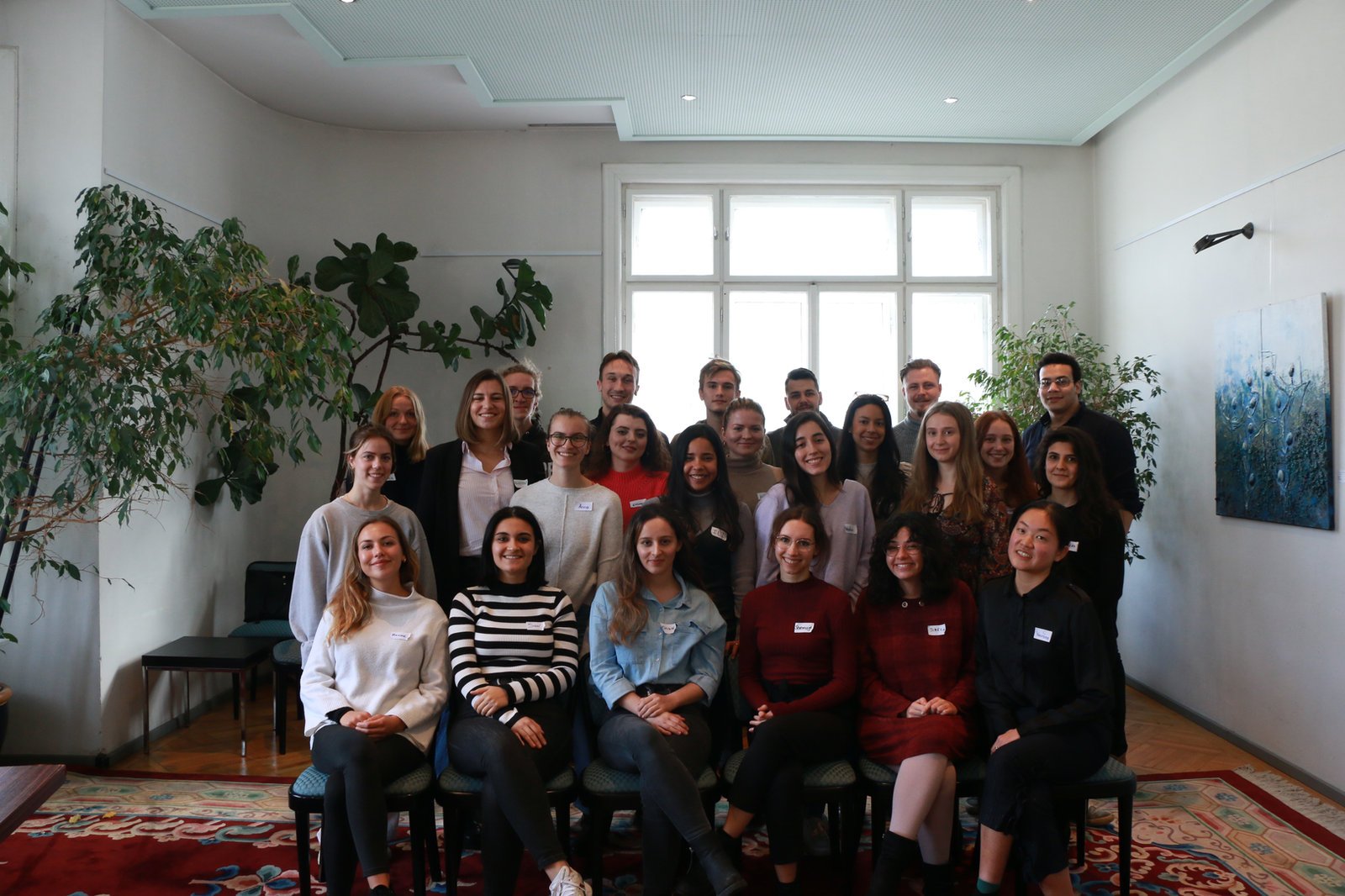
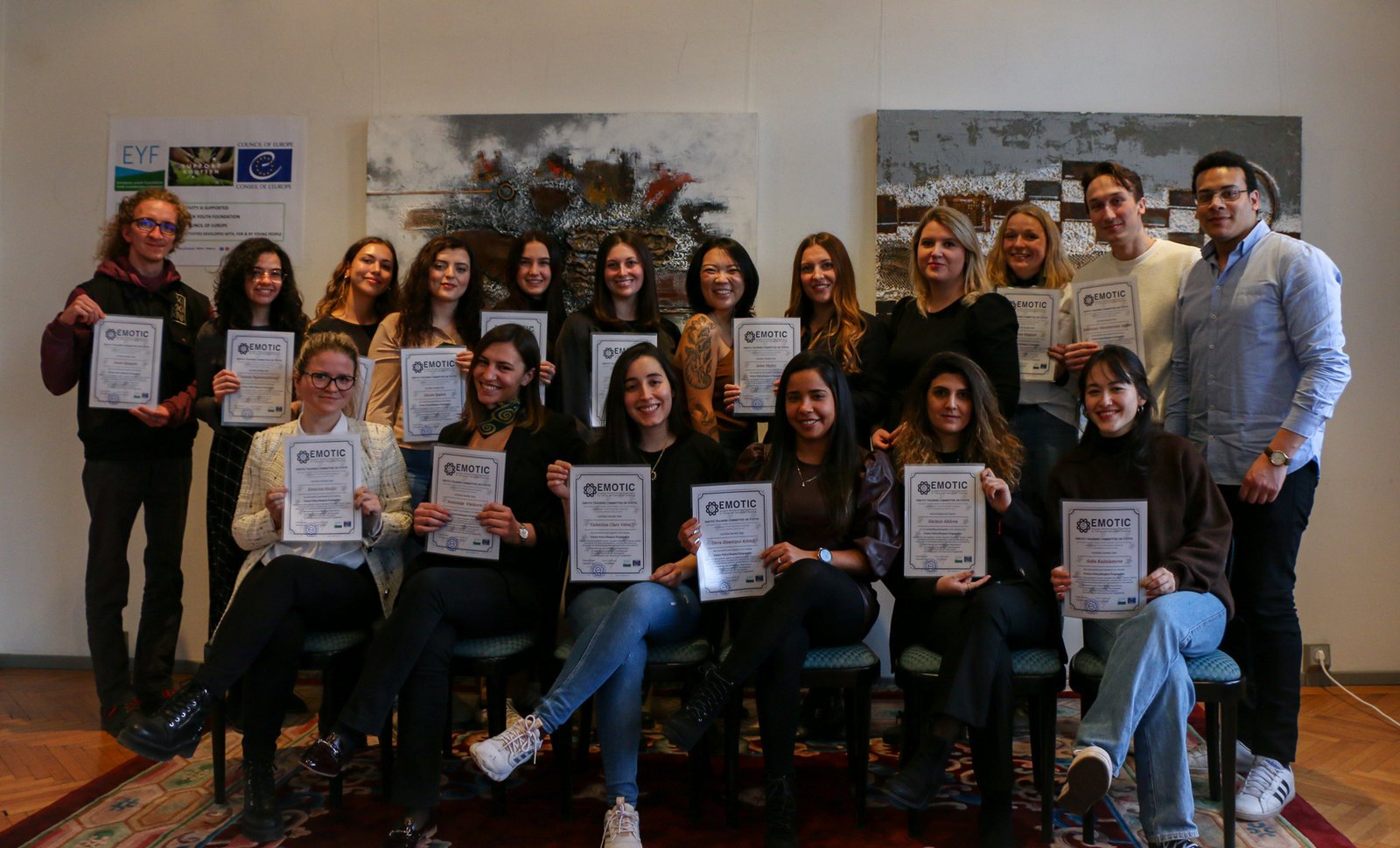
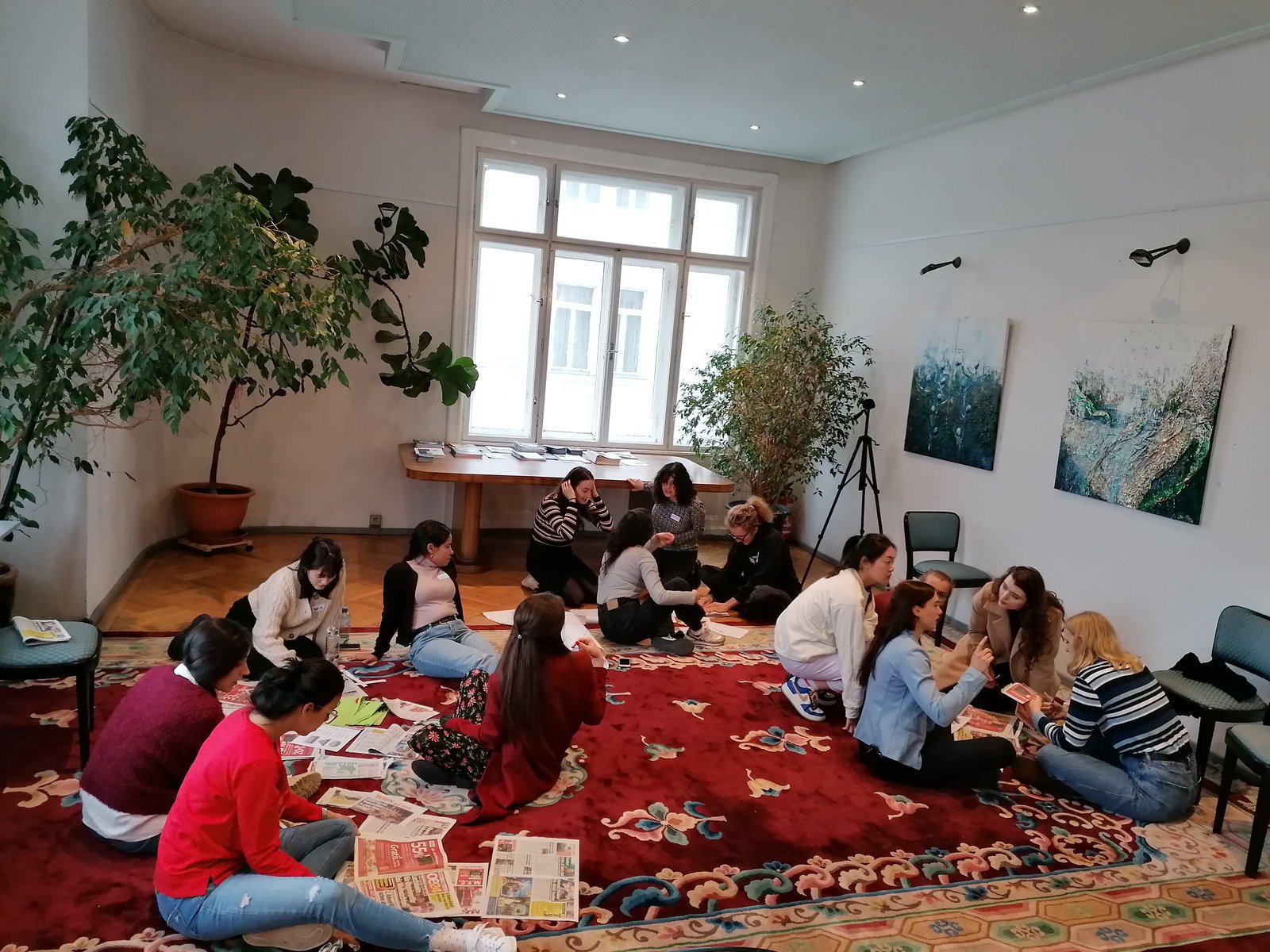
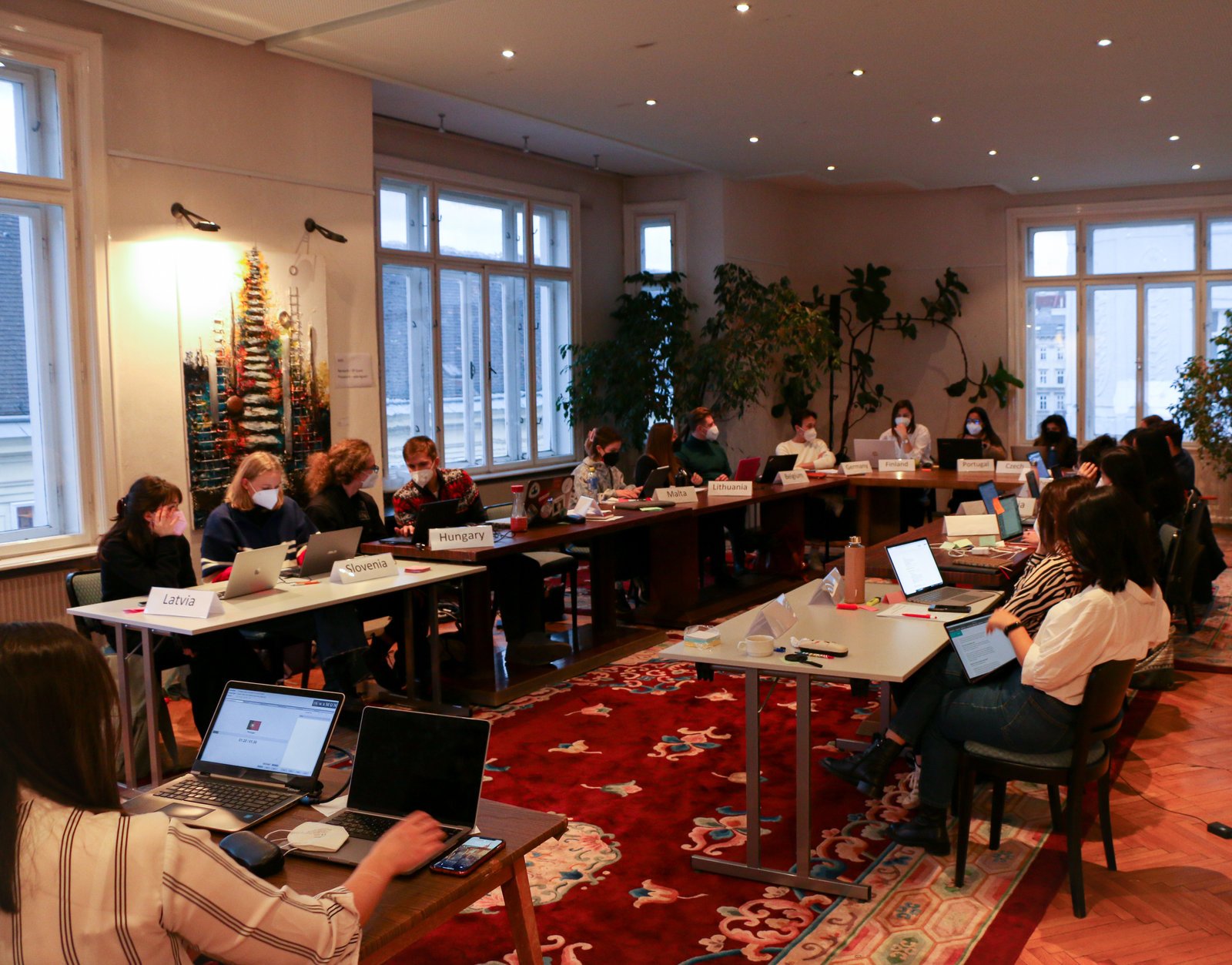
Photos from the project
About the project
Social change does not happen by accident, and it cannot happen without the equal participation of young people. It also needs tools of alternative dispute resolution such as mediation, negotiation, dialogue, advocacy, activism and lobbying. The Future PolicyShapers Programme started from a daunting question: how do we prepare for something we do not know is coming? This training of multipliers gave participants advanced skills in public speaking, research, policy development and negotiation that apply to any social, economic, political or educational issue.
The programme brought together 28 young leaders aged 20 to 30 based in Austria, both citizens and residents. Held at the International Institute for Peace in Vienna over eight days, it was designed around participants' studies and other commitments. It combined five one-day weekend workshops in November 2021 and January 2022 with a three-day Democratic Institutions Model Conference from 30 January to 1 February 2022.
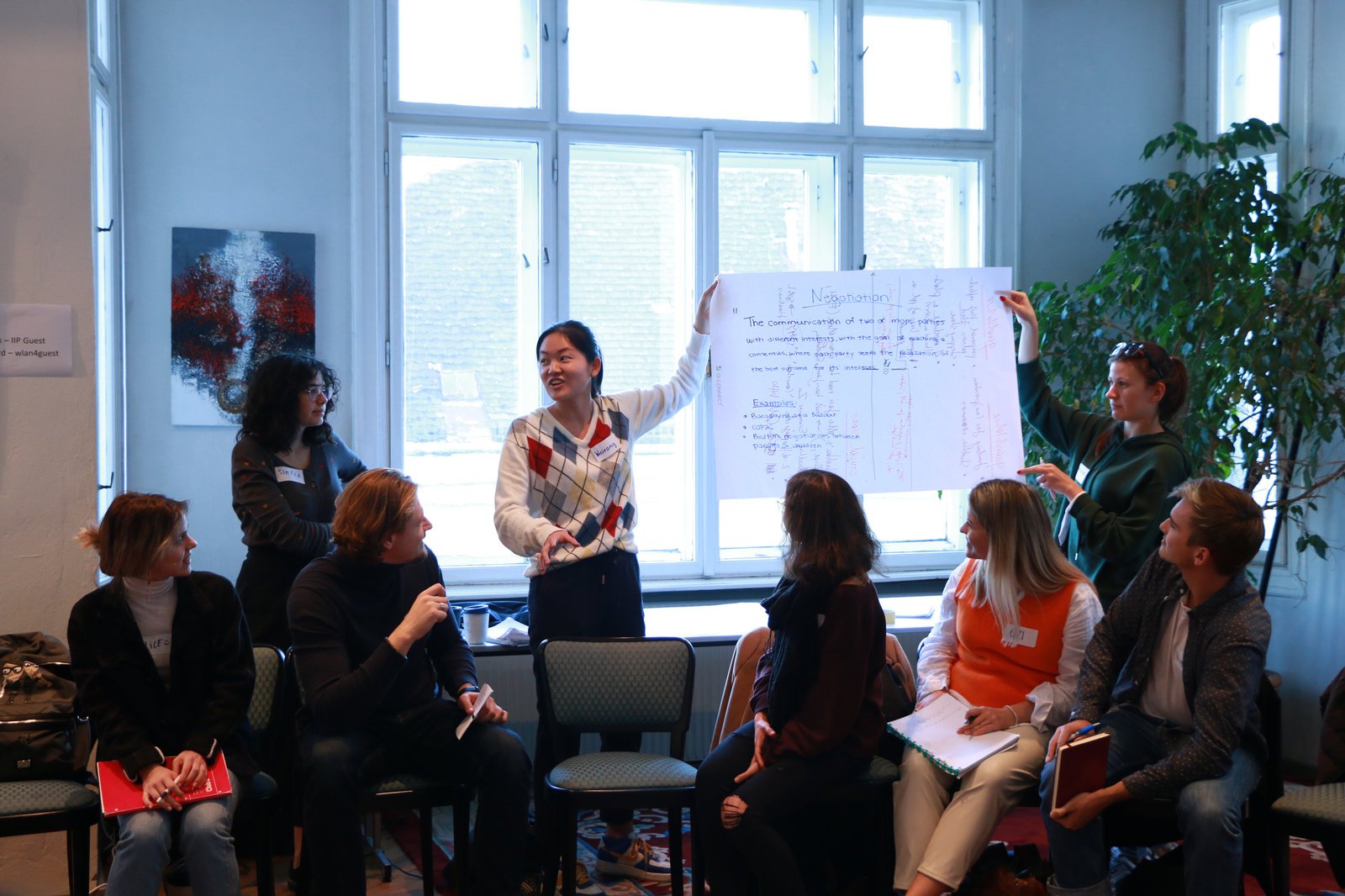
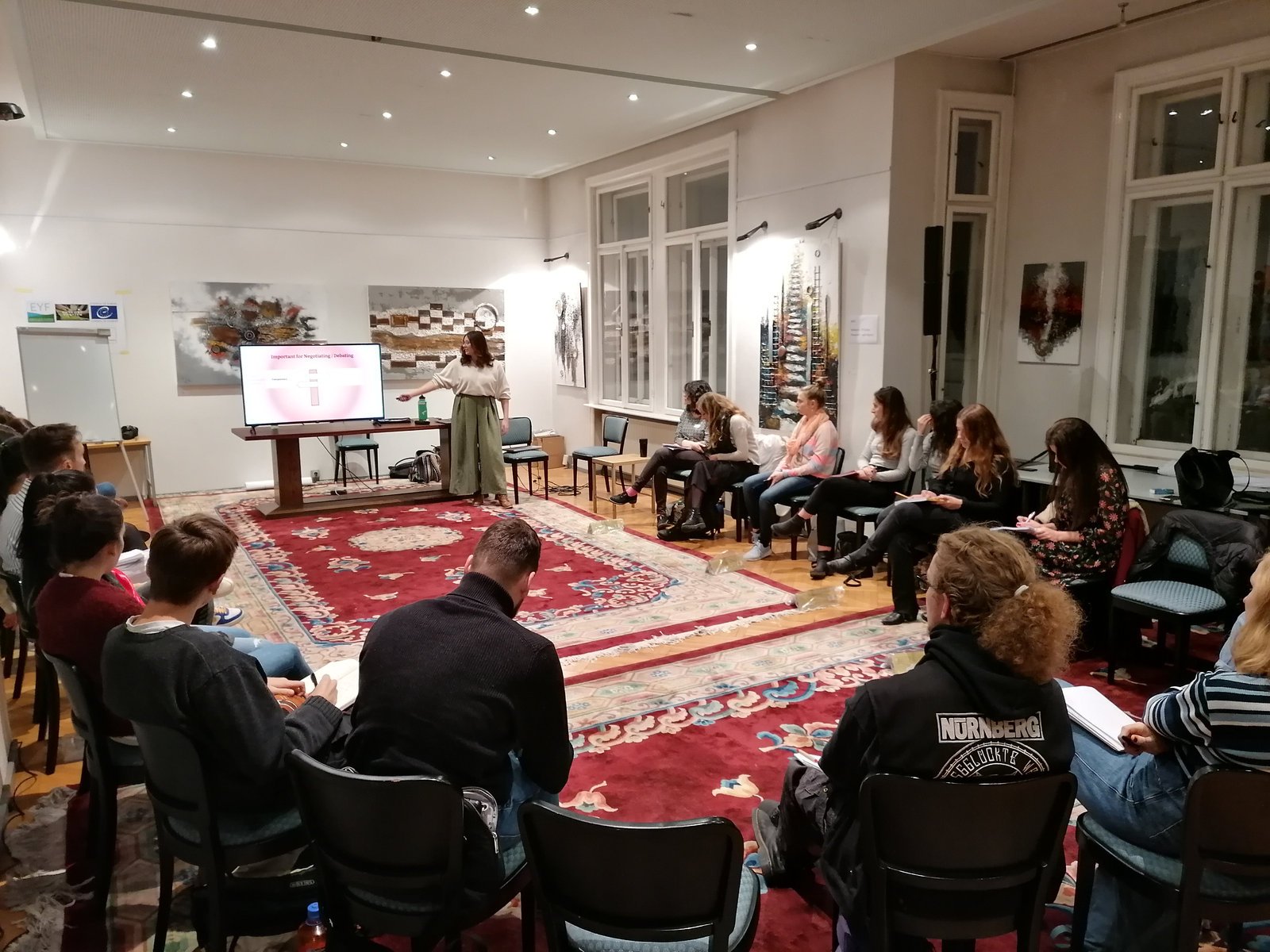
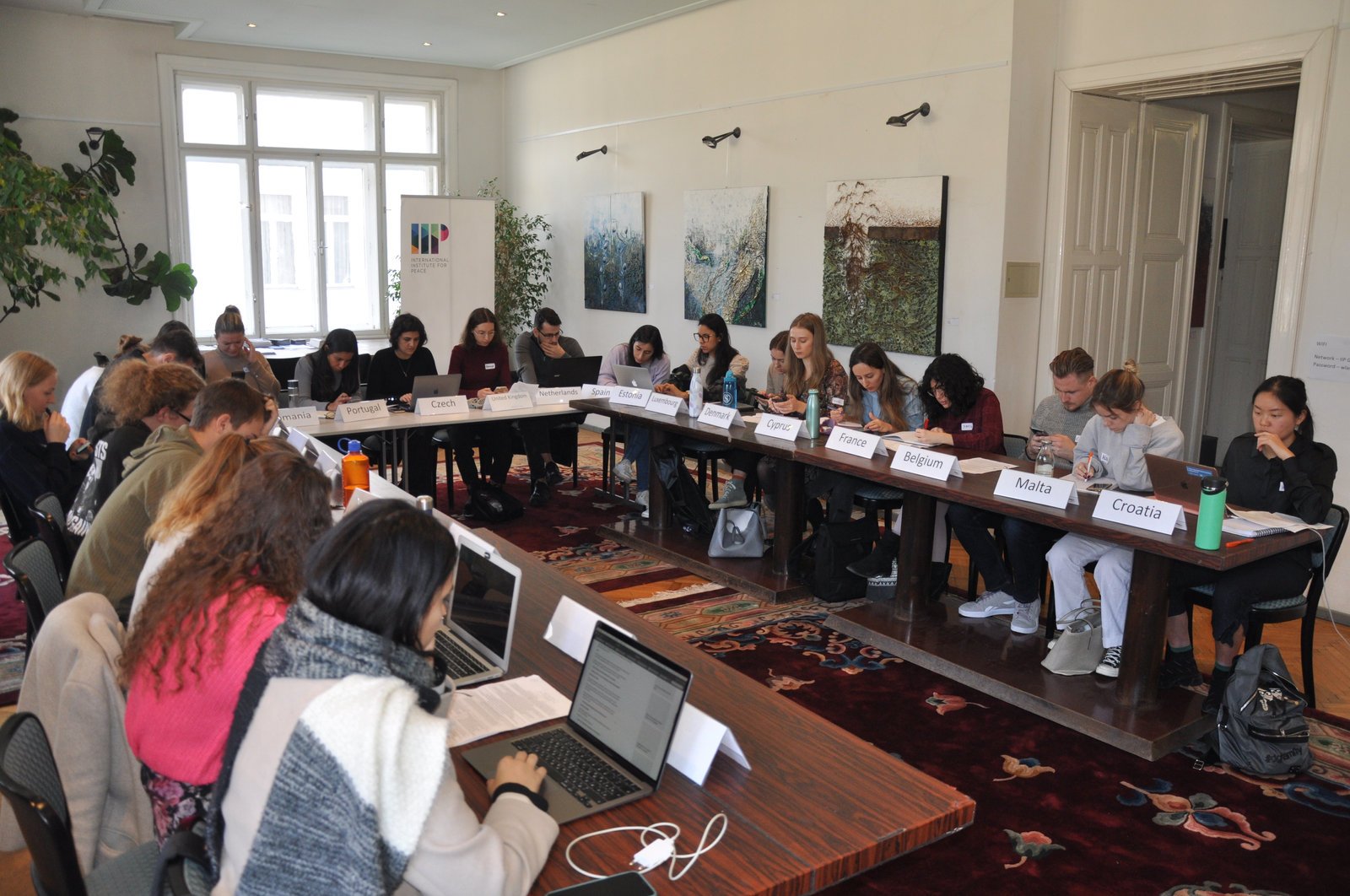
The workshops opened with two intense sessions on negotiation, its processes and the different types of negotiators, practised through simulation games. Participants were also introduced to Model United Nations simulations and to the work of the Council of Europe and the European Youth Foundation. In a preparatory conference, moved online because of COVID-19 measures, each participant wrote a position paper for an allocated country, and together they drafted a resolution on joint EU action against climate change.
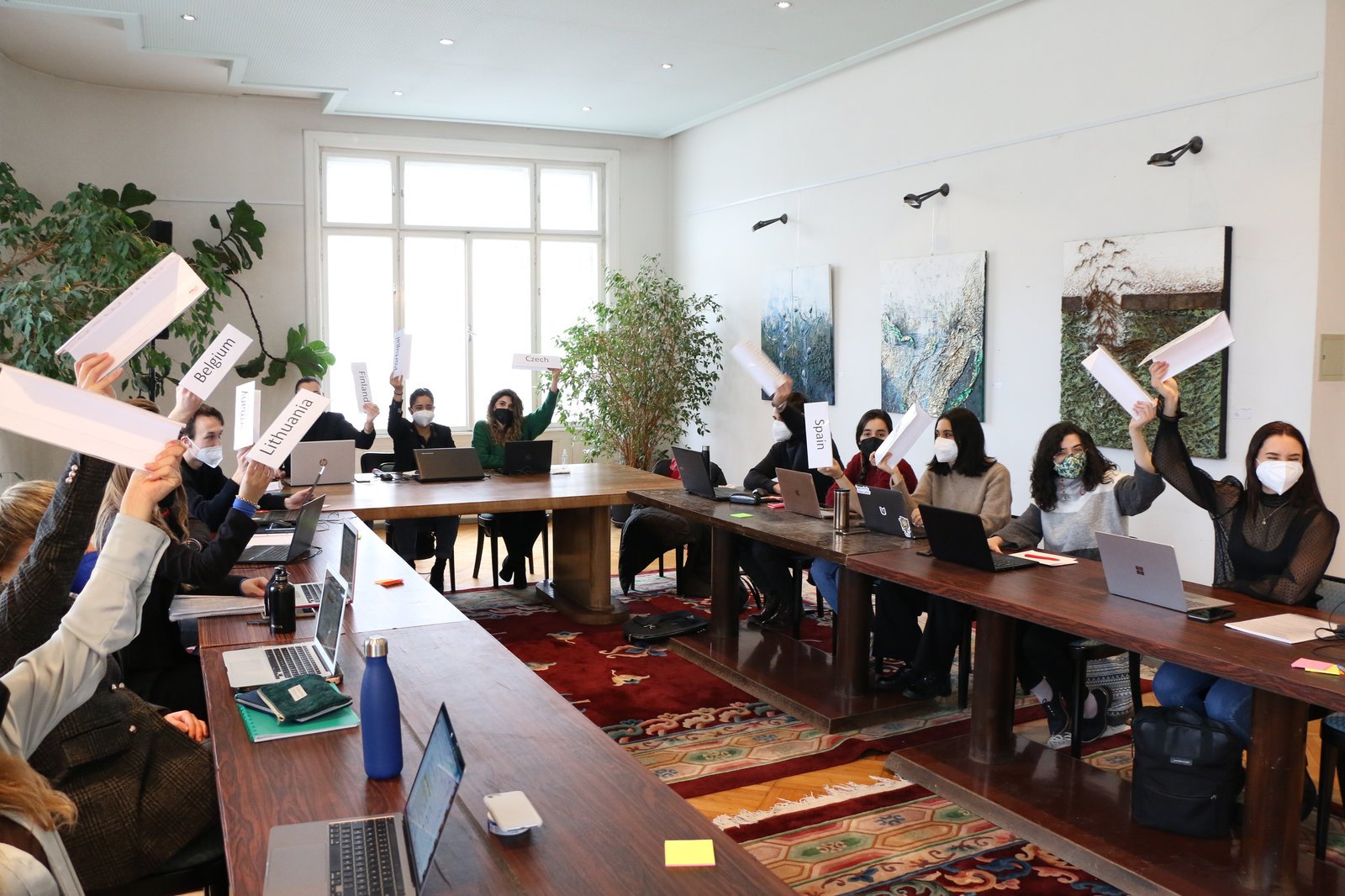
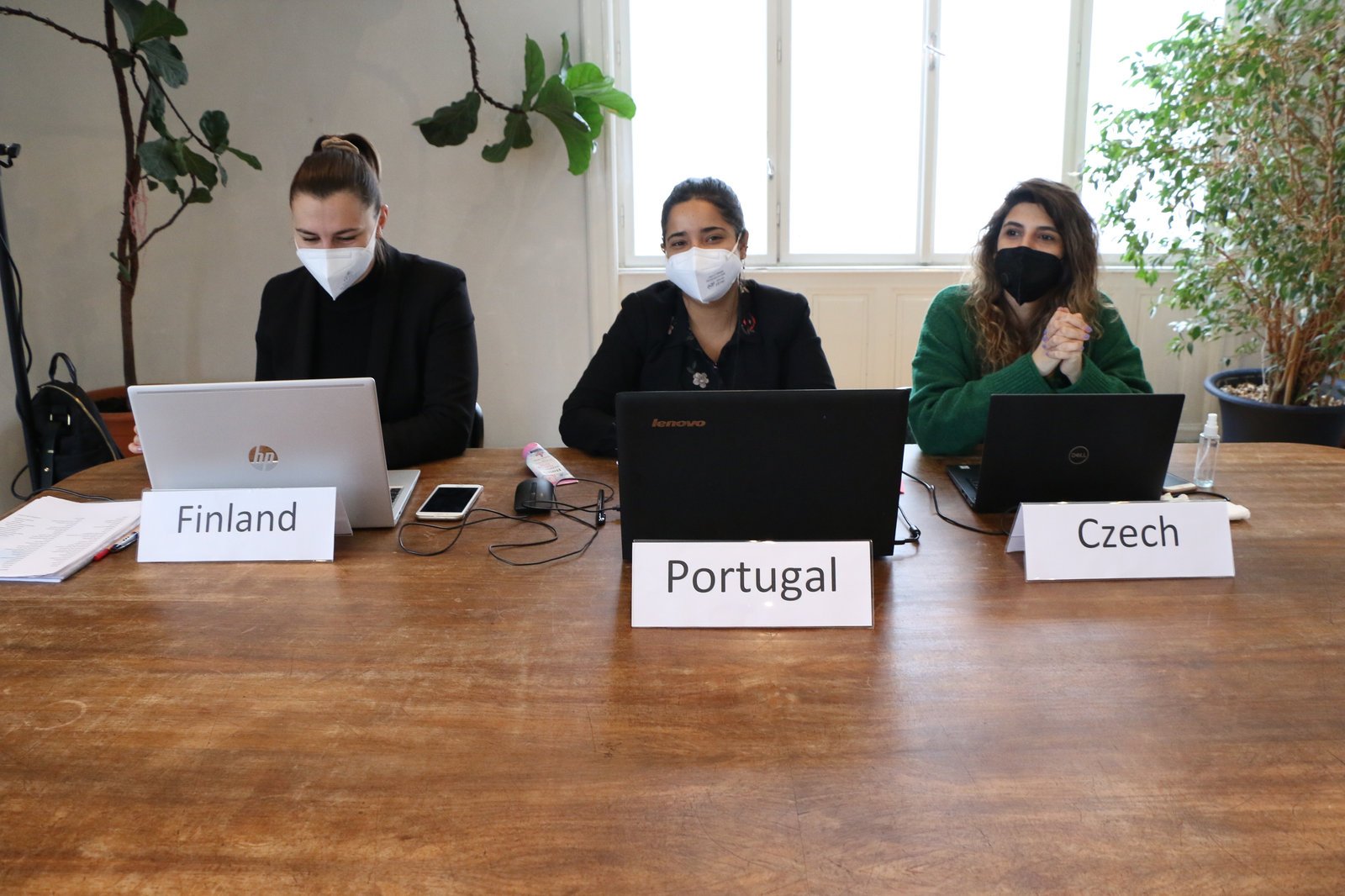
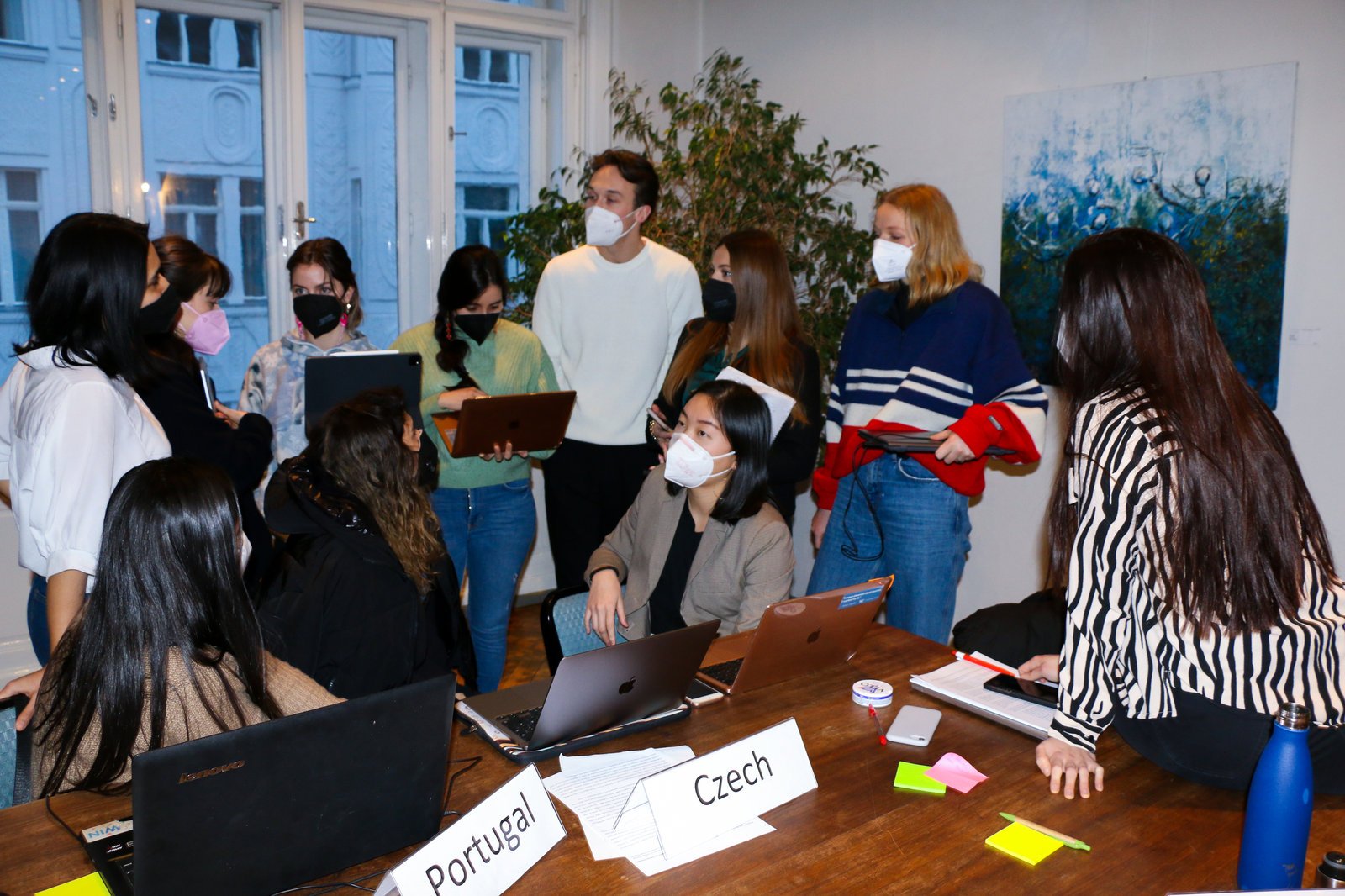
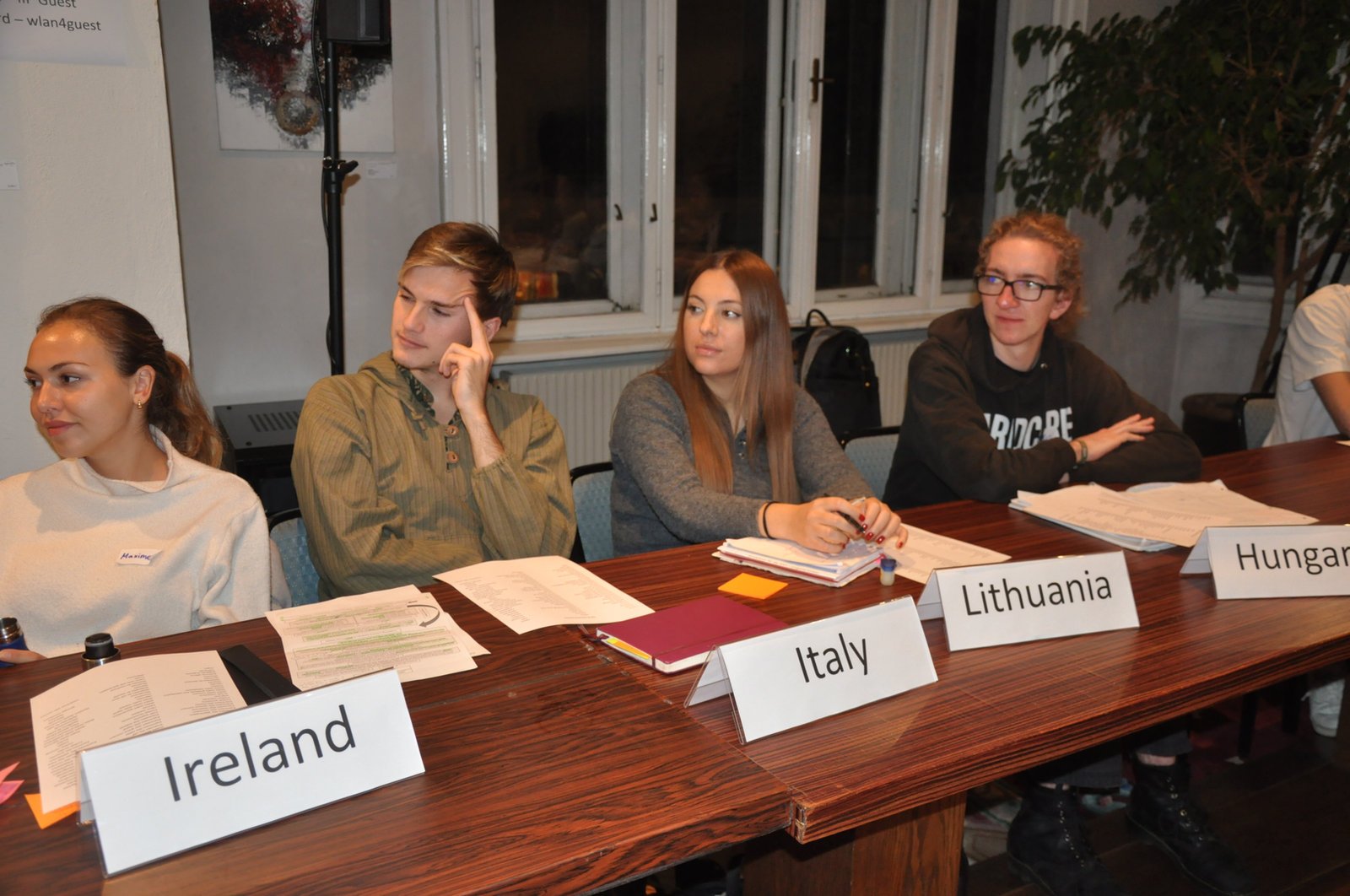
Meeting in person again, participants simulated a European committee on citizens' rights at the model conference on "The Right to Privacy and Cybersecurity in the Digital Age and in Times of Crises". Negotiations were heated but constructive, and the group's different backgrounds, cultures and studies made the debates truly interdisciplinary. Through democratic participation and structured dialogue, they learned how to shape viable and innovative policies, and a second resolution was agreed and adopted by vote.
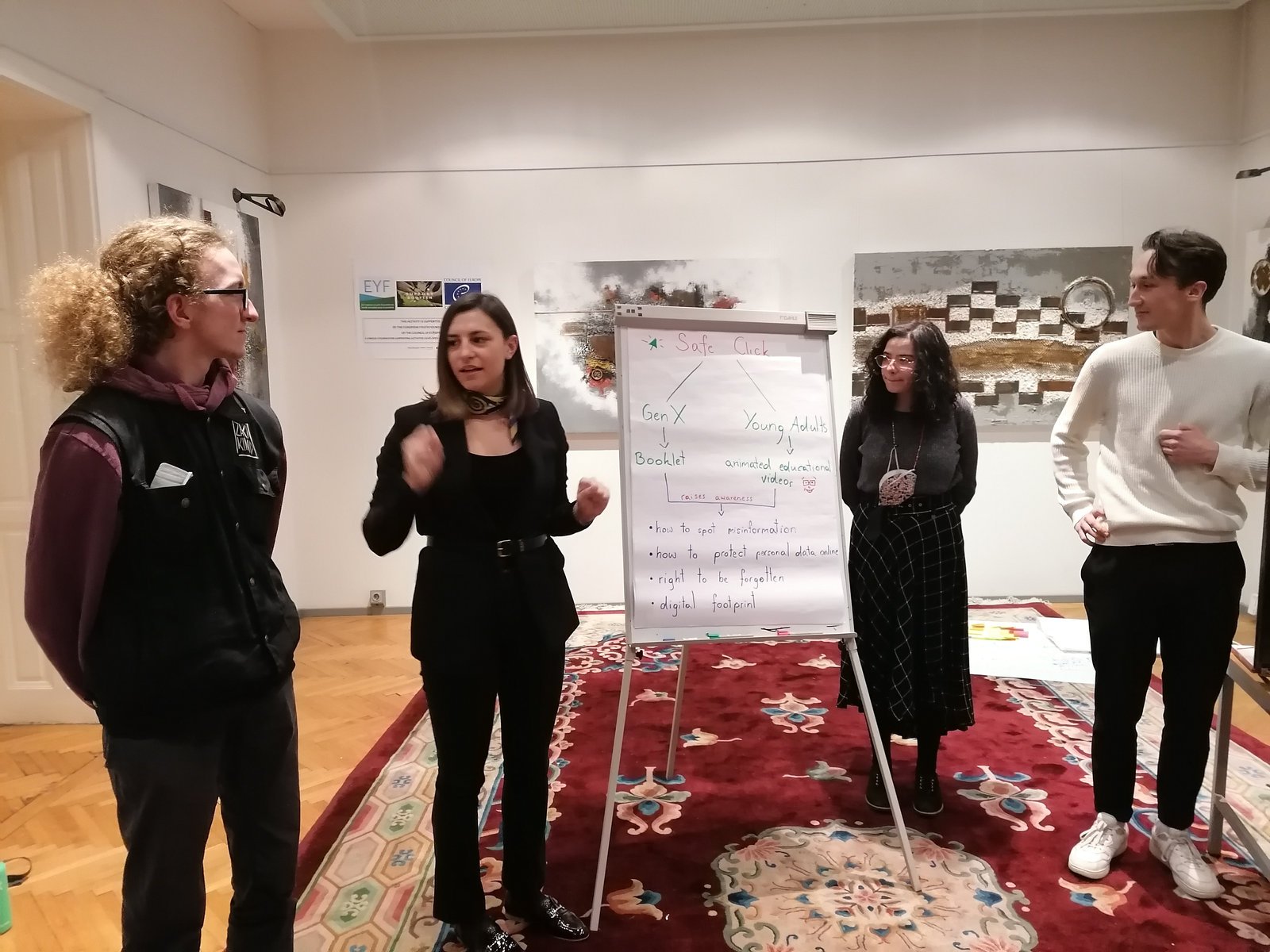
The programme closed with an open discussion with two political guests, women with practical experience of the topics, and a graduation ceremony. As a follow-up, participants made two awareness videos on digital footprints and cybersecurity, one in German focused on knowledge and one in English focused on personal experiences. A poster on the dangers of the internet and a flyer on data protection, digital rights and fake news were printed and given to youth groups and local schools.
The training was free of charge thanks to the European Youth Foundation of the Council of Europe, which covered training, materials, meals and transport, with EMOTiC as main coordinator and beneficiary. Participants committed to at least 80 per cent of the programme and to the follow-up. As participant Chris Breitenfeld put it: "This training was a great possibility to work with a group of fascinating people in a safe environment that allowed for mistakes and personal growth."
Stories and publications from this project
Key facts
Funder
European Youth Foundation, Council of Europe (free of charge for participants)
Participants
28 young leaders aged 20–30 based in Austria
Format
Five one-day workshops and a three-day model conference
Results
Two resolutions (digital privacy and rights; climate sustainability), two videos, a poster and a flyer
Venue
International Institute for Peace, Vienna
Want to join a project like this?
Tell us a little about yourself and we will let you know when the next call opens.
Write to usMore photos from the project