All projects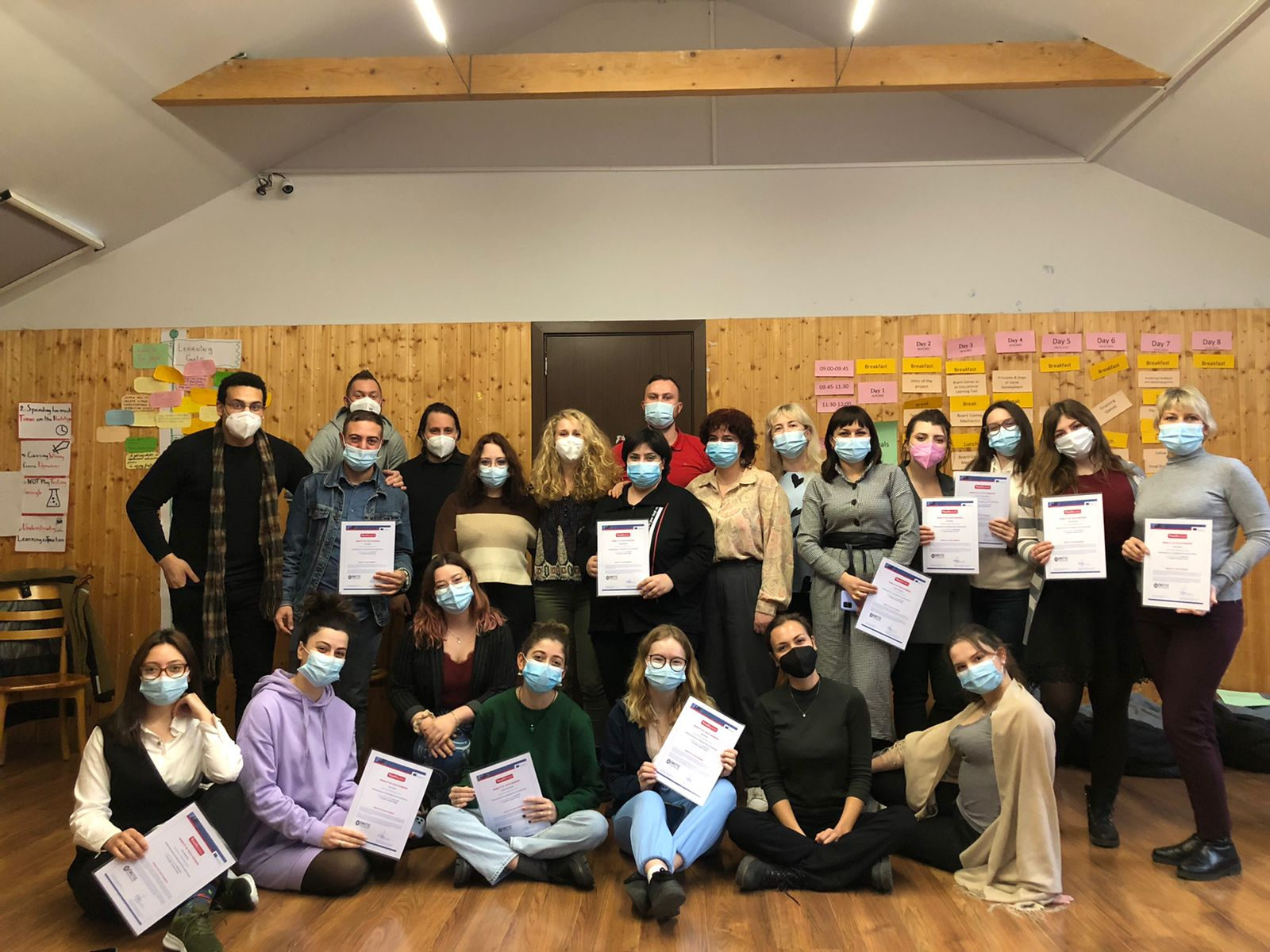


Training courseErasmus+ mobilities
Reinforcing Games as an Educational Tool for Social Change
4–11 February 2022Rustavi, Georgia
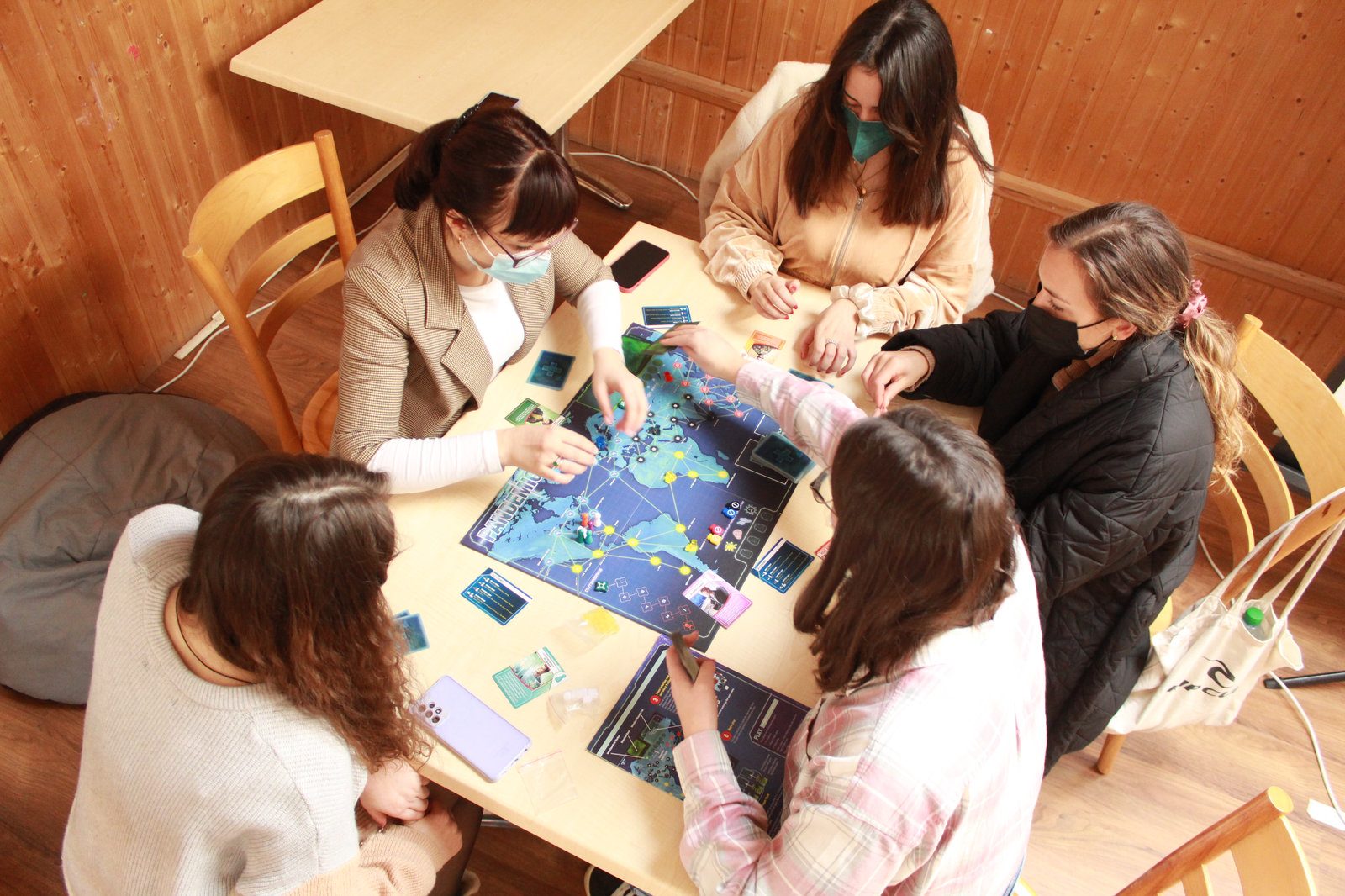
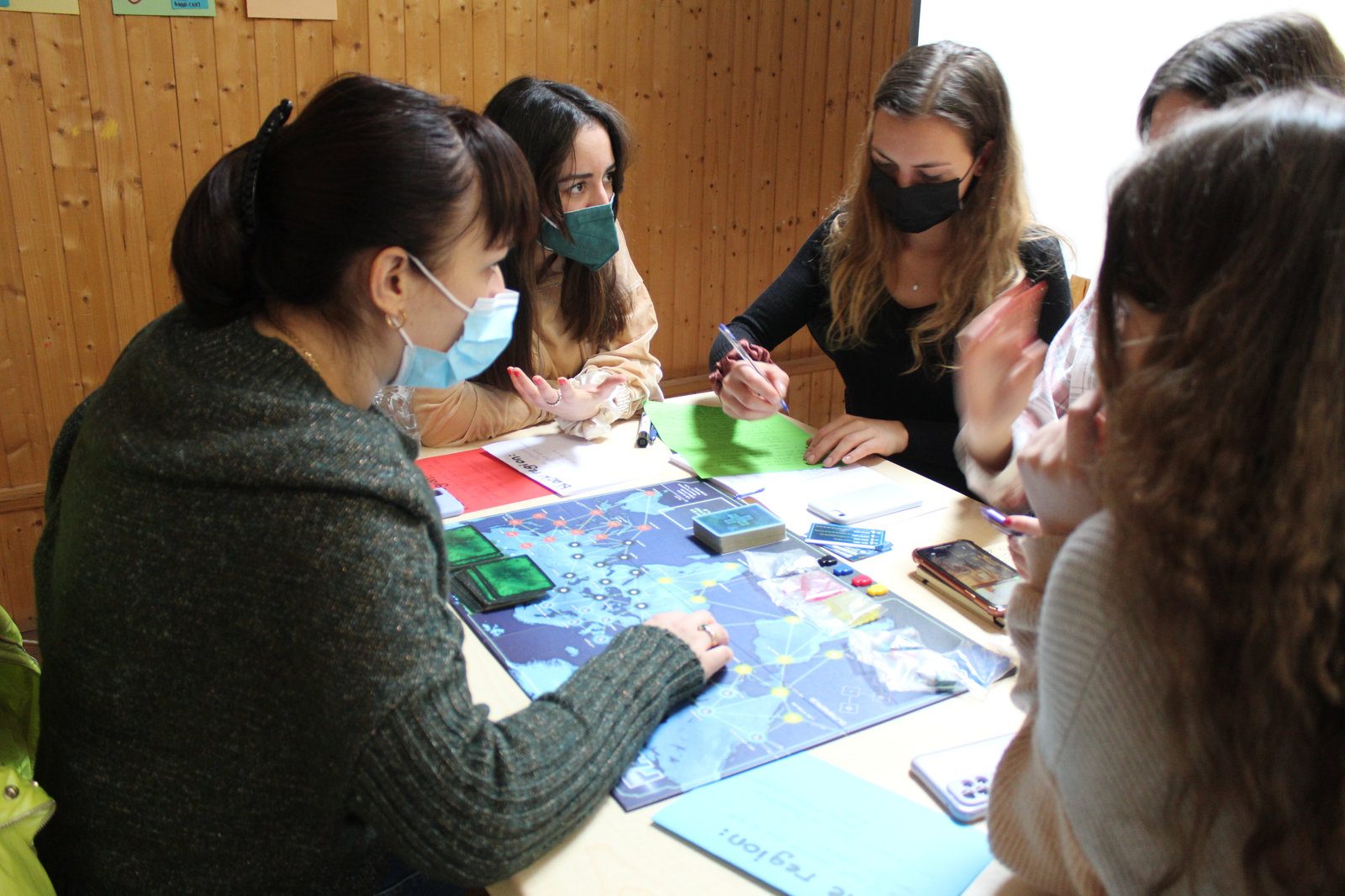
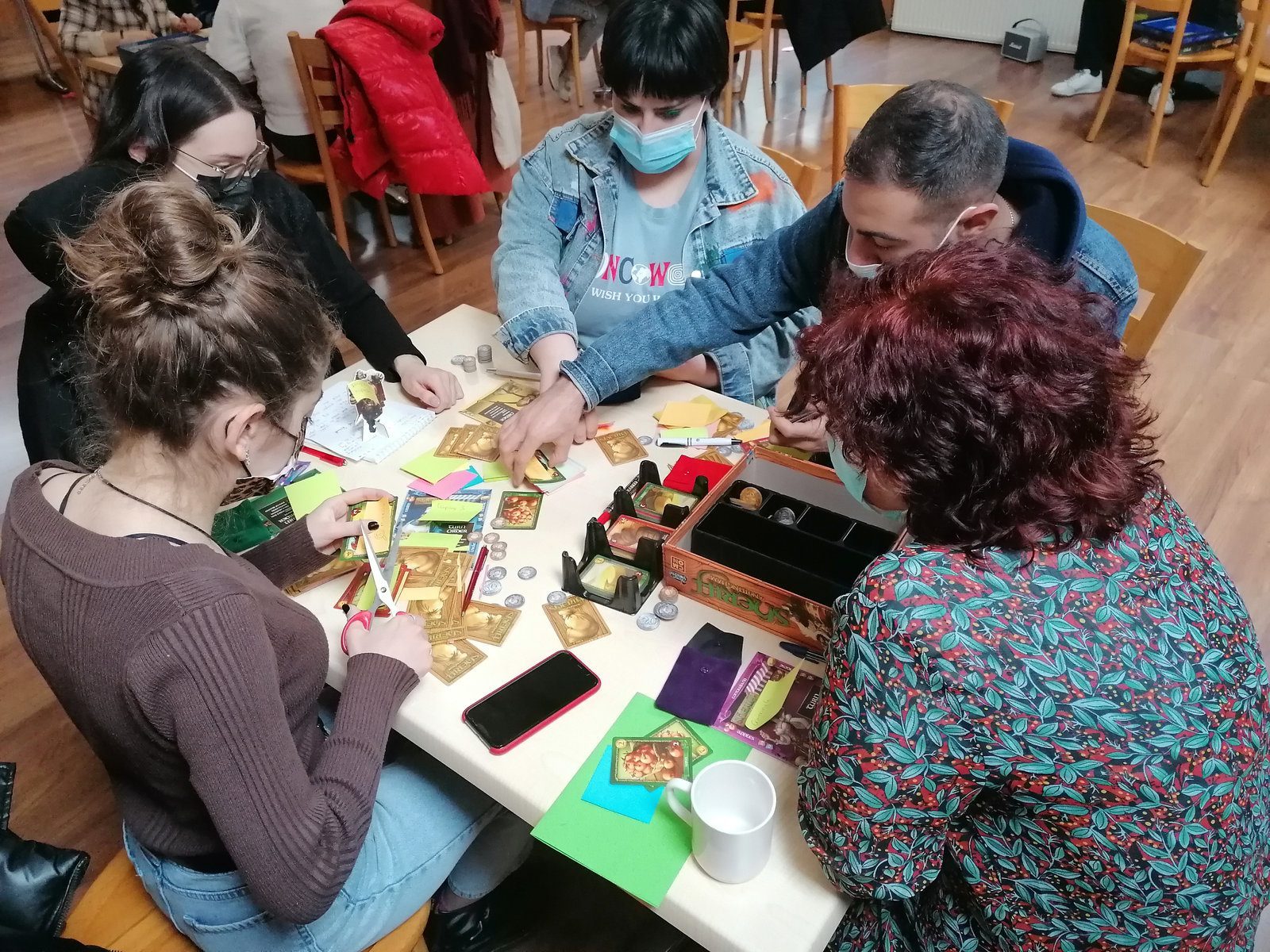
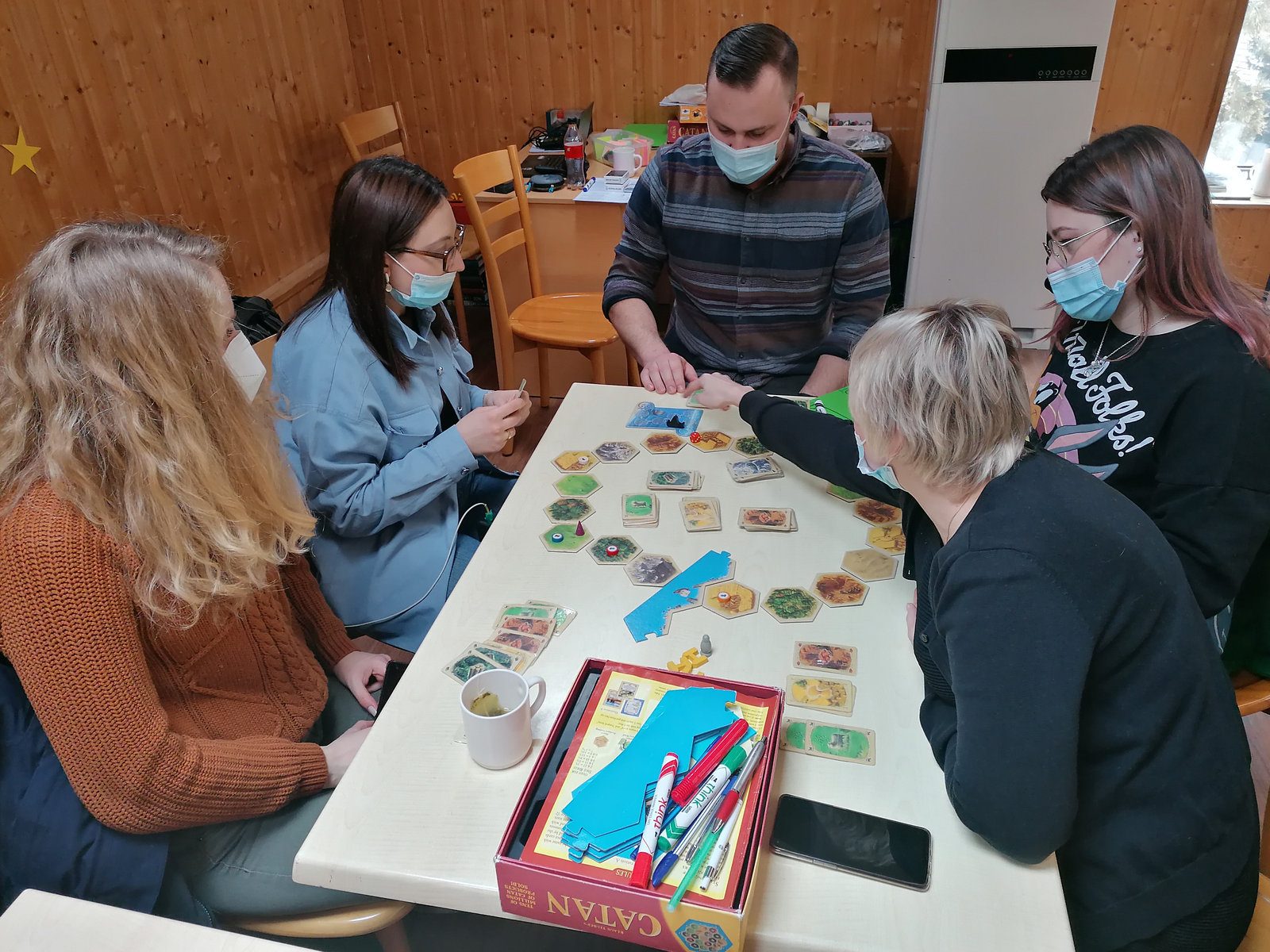
Photos from the project
About the project
Youth workers constantly need to create learning opportunities on difficult topics such as social exclusion, and games are a powerful way to do this. Whether the subject is global warming, poverty, leadership or conflict transformation, a game can help players process new and complex information and come up with creative solutions. With young people in particular, playing together builds connection and a sense of belonging, which helps tackle exclusion and build a more cohesive local society.
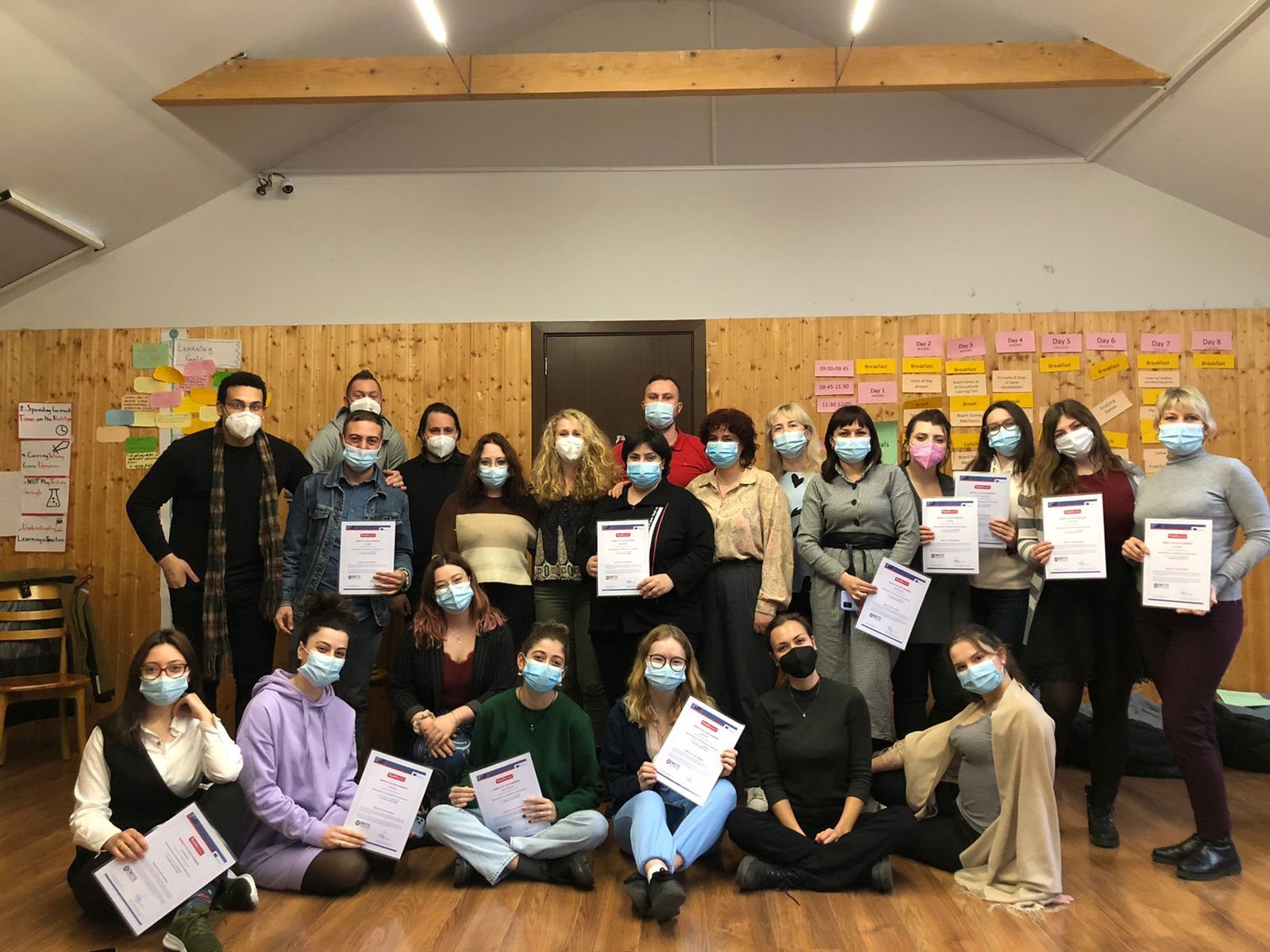
Guided by Diane Ackerman's words, "Play is our brain's favourite way of learning", EMOTiC coordinated this Erasmus+ training course in Rustavi, Georgia, from 4 to 11 February 2022. It brought together 27 youth workers: six from Austria, three from Armenia, five from Croatia, three from Estonia, six from Georgia and four from Ukraine. The partners were Gyumri Youth Initiative Centre (Armenia), EUTOPIA (Croatia), MTÜ Shokkin Group (Estonia), Youth Association DRONI (Georgia) and Center for Euroinitiatives (Ukraine).
The course aimed to raise awareness of gamification in education as an effective alternative tool in youth work, to strengthen participants' skills in engaging young people through gamification techniques, to build a framework for developing educational games through experiential learning, and to create a set of educational board games for the youth field.
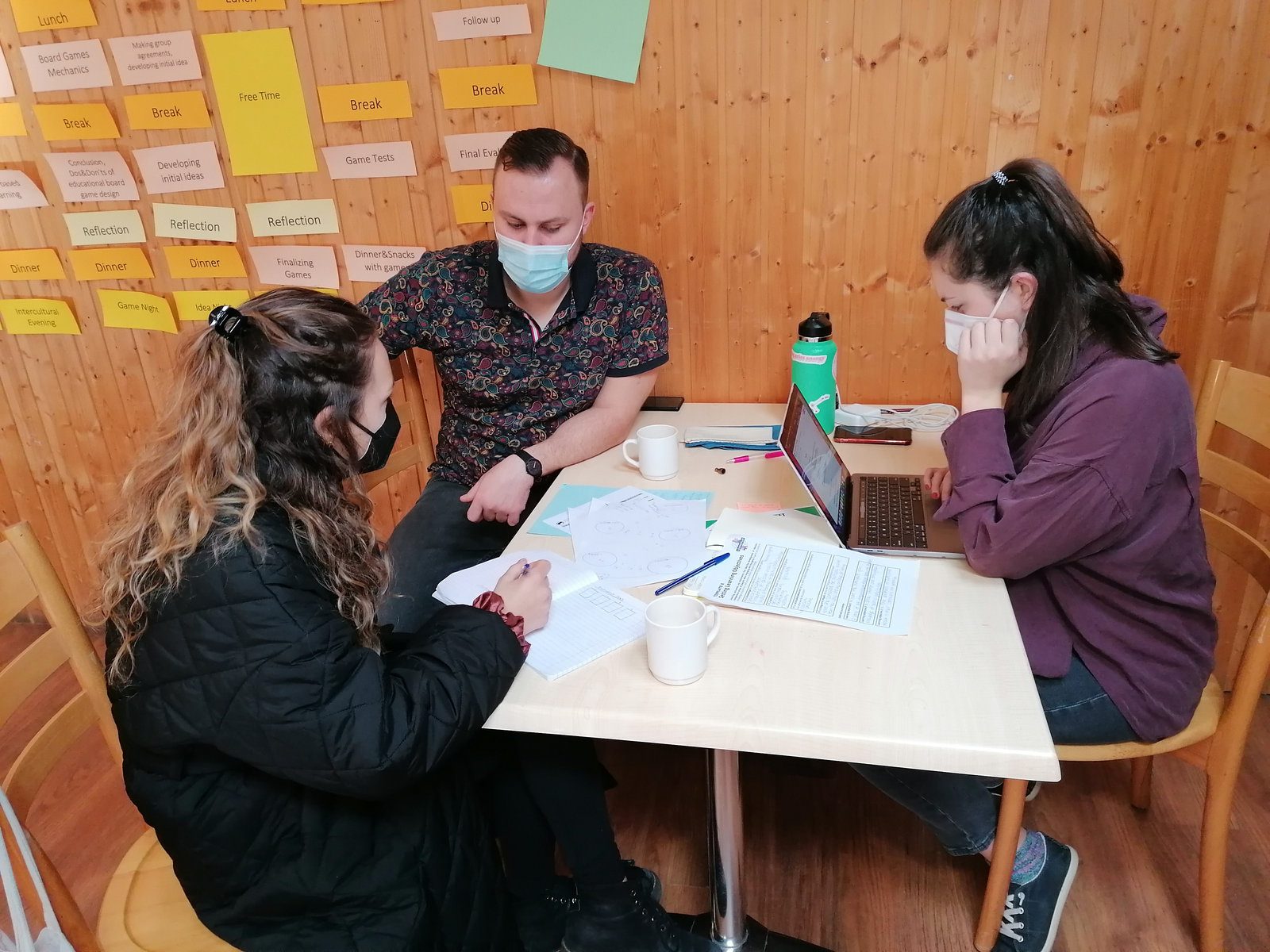
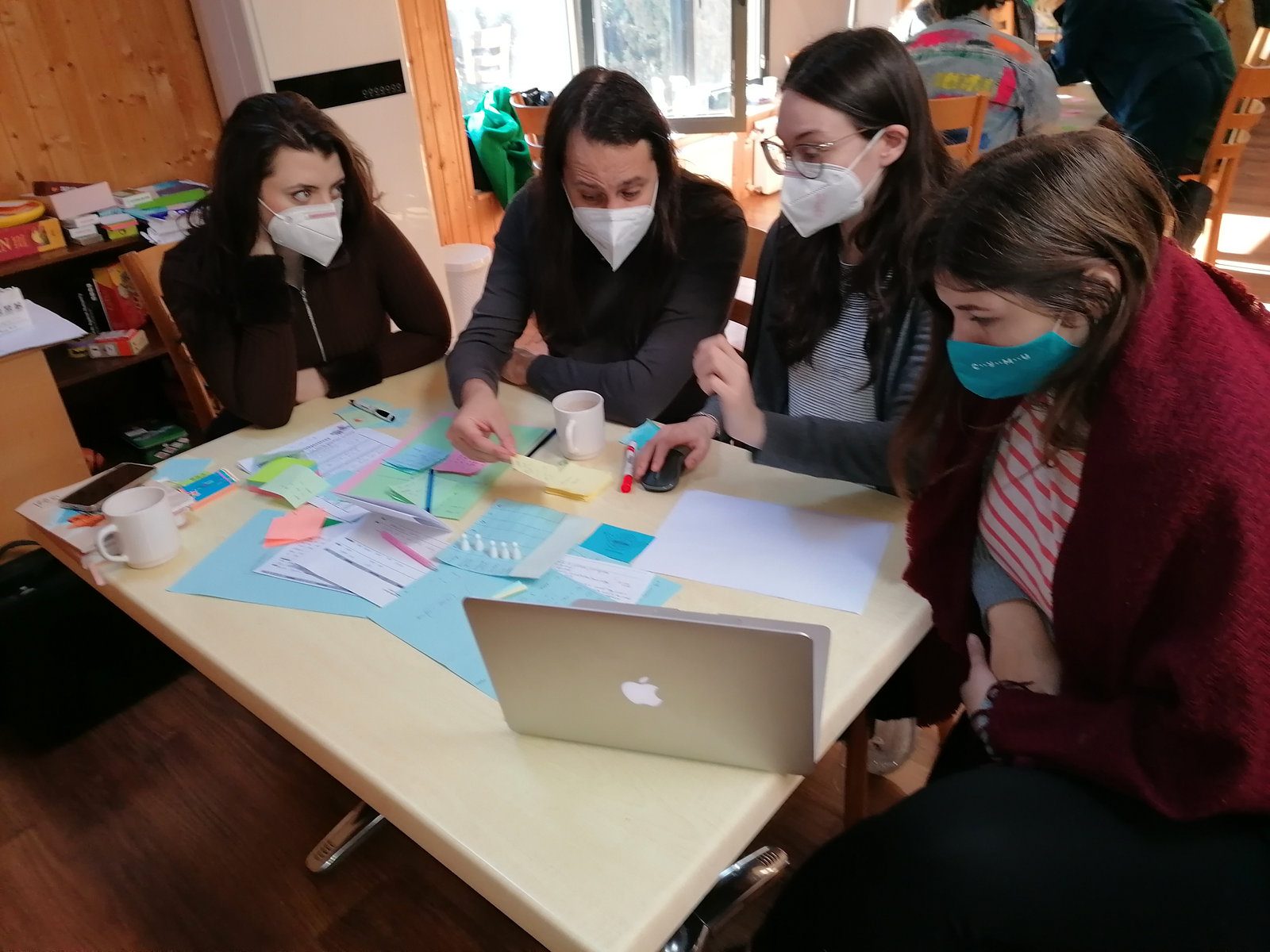
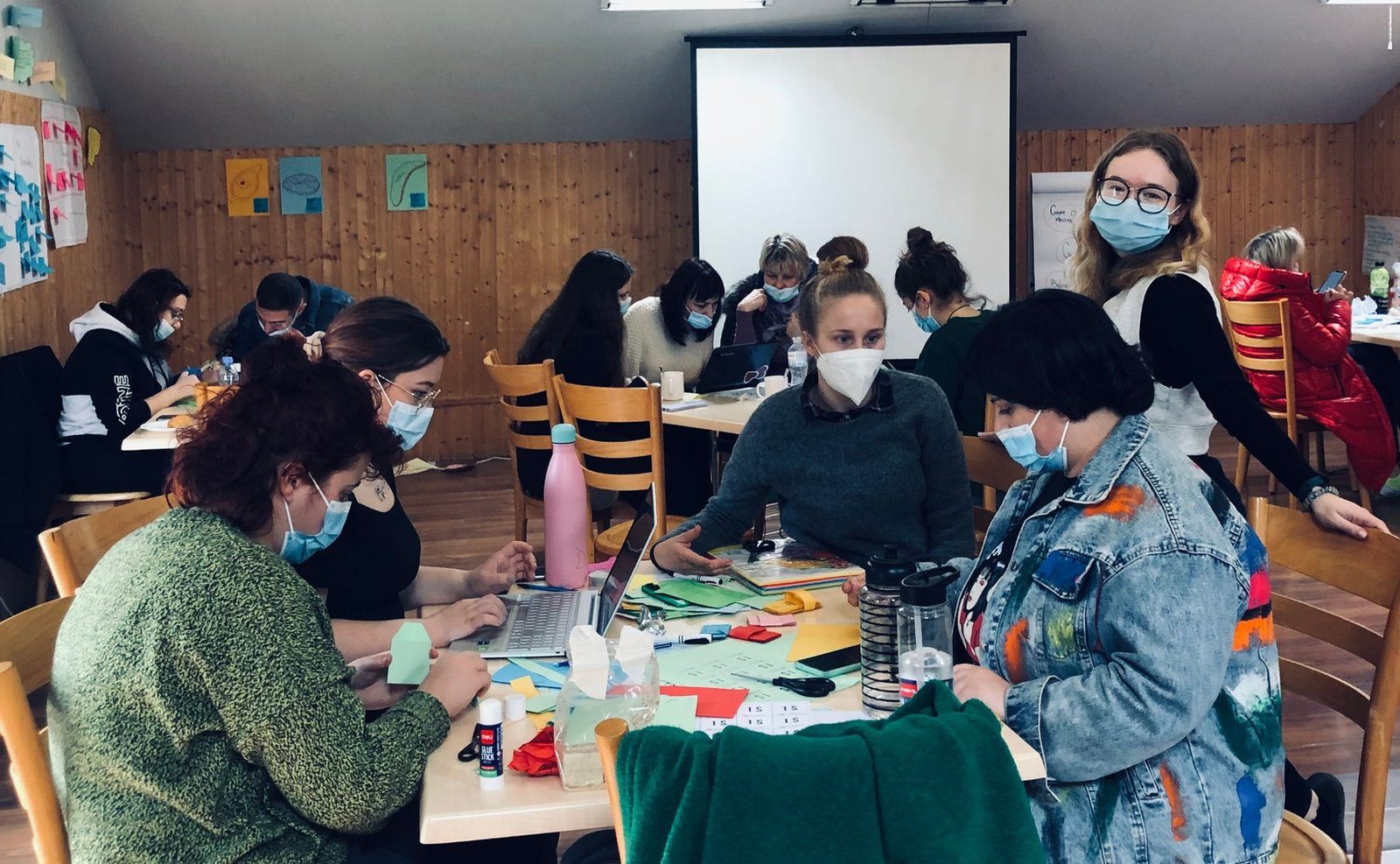
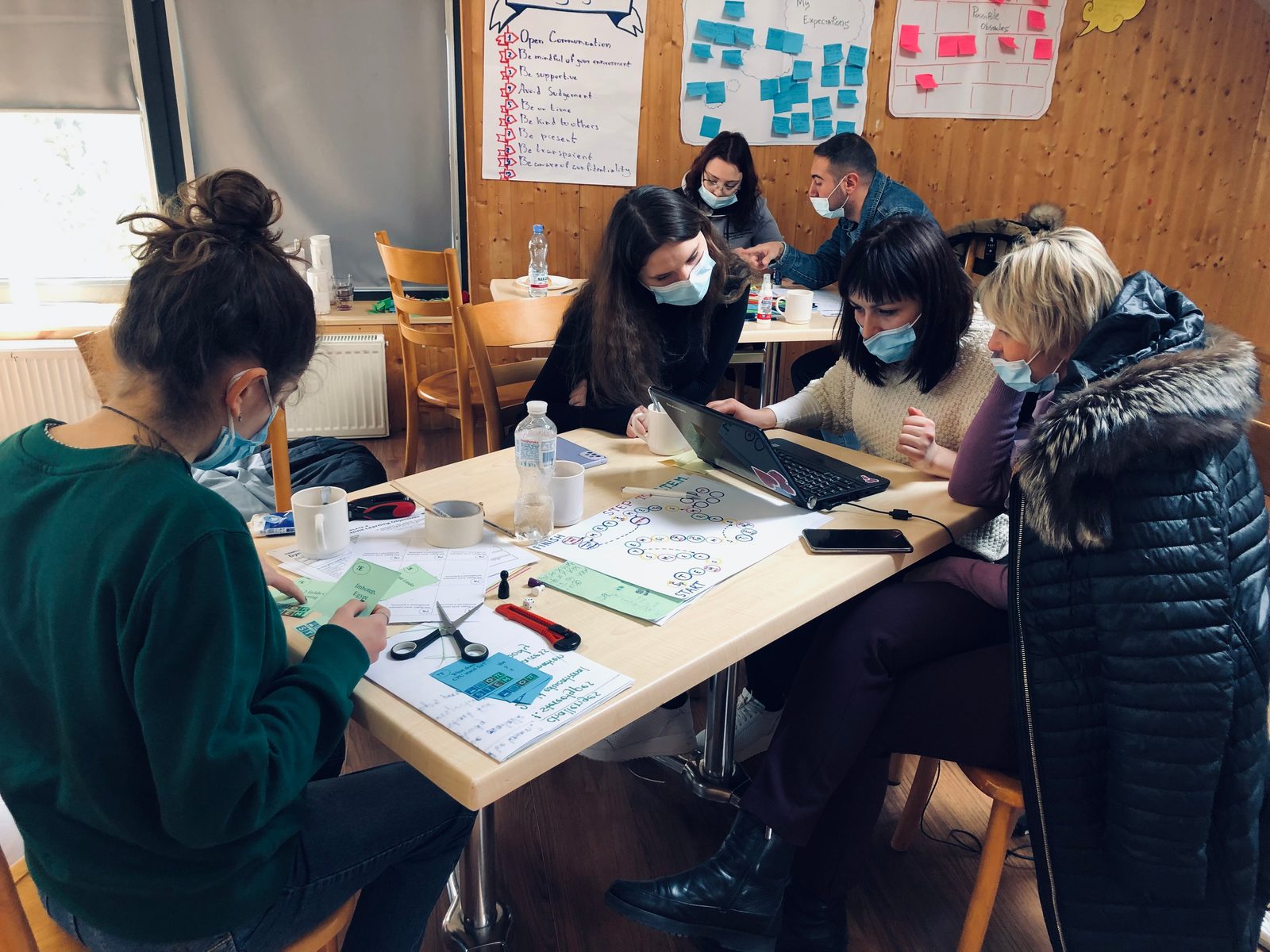
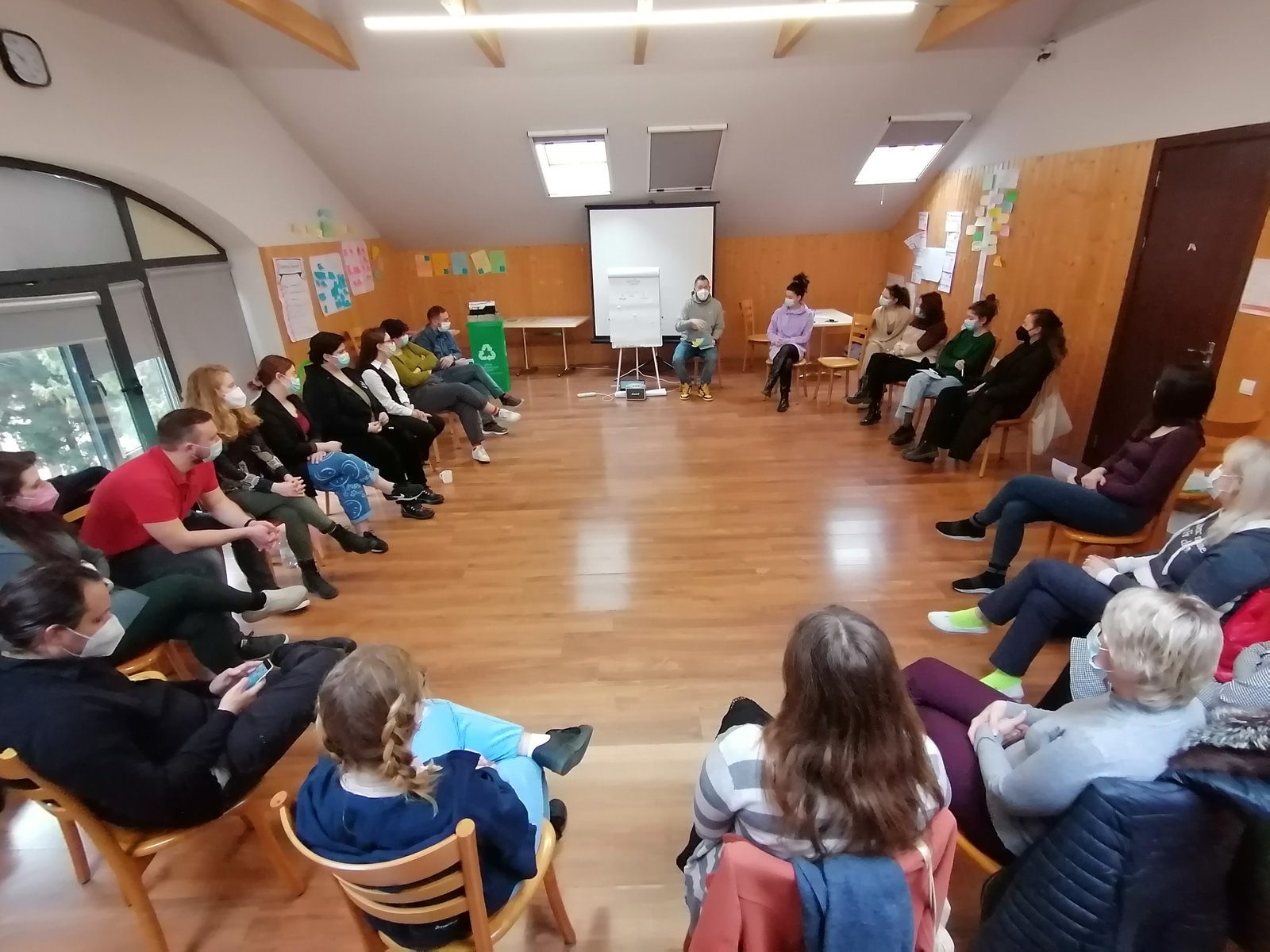
The week followed the full cycle of game creation. Participants first looked at how board games can address issues such as social exclusion and youth radicalisation, both made worse by the pandemic, and played existing games before designing anything. Sessions on principles, mechanics and techniques followed. Groups of around five then chose a social issue and a target group, developed their own games, piloted them and refined them with feedback. Intercultural evenings with food and traditions from each country were part of the experience.
The result was six educational games on bullying, inclusion, intercultural dialogue, political participation, democratic participation and STEM. After the training, a shared resource folder with additional materials and manuals was created for the participants.
Follow-up events in all six countries reached more than 100 people directly. In Austria, 32 young people tested games from the training, and in Armenia 40 young people learned to create educational games from existing ones. In Croatia, one game became part of the Youth Work Ethics course at the Faculty of Humanities and Social Sciences in Rijeka, and another was entered in the 10th International Competition on Educational Games in Lisbon in October 2022. The game I'MPOSSIBLE was trialled with a school student council in Tallinn, and in Georgia the game Cultural Travel opened a discussion on culture, identity and belonging with ten youth workers.
Above all, participants went through every step of the game design process themselves, understood and practised each stage, and can now adapt it to their own work with young people.
Stories and publications from this project
Key facts
Programme
Erasmus+ training course
Dates
4–11 February 2022
Venue
Rustavi, Georgia
Participants
27 youth workers: Austria 6, Armenia 3, Croatia 5, Estonia 3, Georgia 6, Ukraine 4
Countries
Armenia, Austria, Croatia, Estonia, Georgia, Ukraine
Funding
Erasmus+ through the Austrian National Agency OeAD
Reference
2021-1-AT01-KA153-YOU-000012317
Partners
Gyumri Youth Initiative Centre (AM), EUTOPIA (HR), MTÜ Shokkin Group (EE), Youth Association DRONI (GE), Center for Euroinitiatives (UA)
EMOTiC's role
Coordinator and beneficiary

Want to join a project like this?
Tell us a little about yourself and we will let you know when the next call opens.
Write to usMore photos from the project