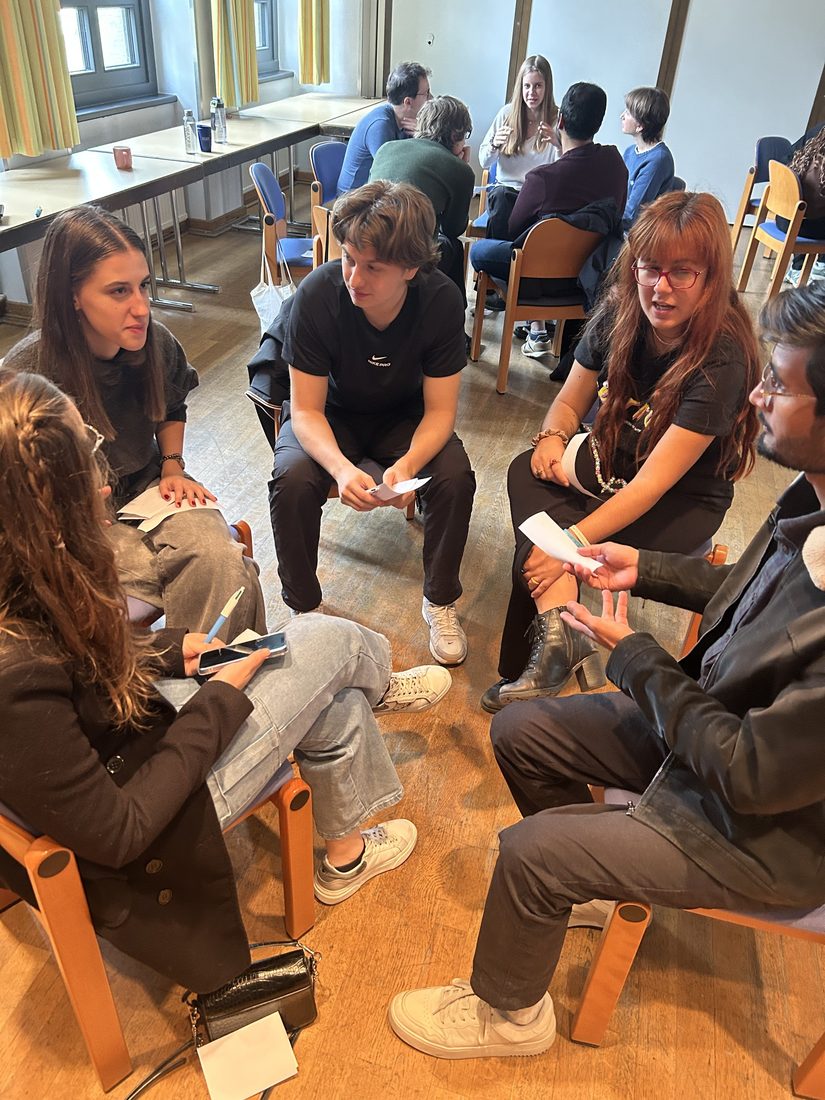
The training course is under way. Here is what happened so far – and you can follow the daily updates on our Instagram, Facebook and LinkedIn pages.
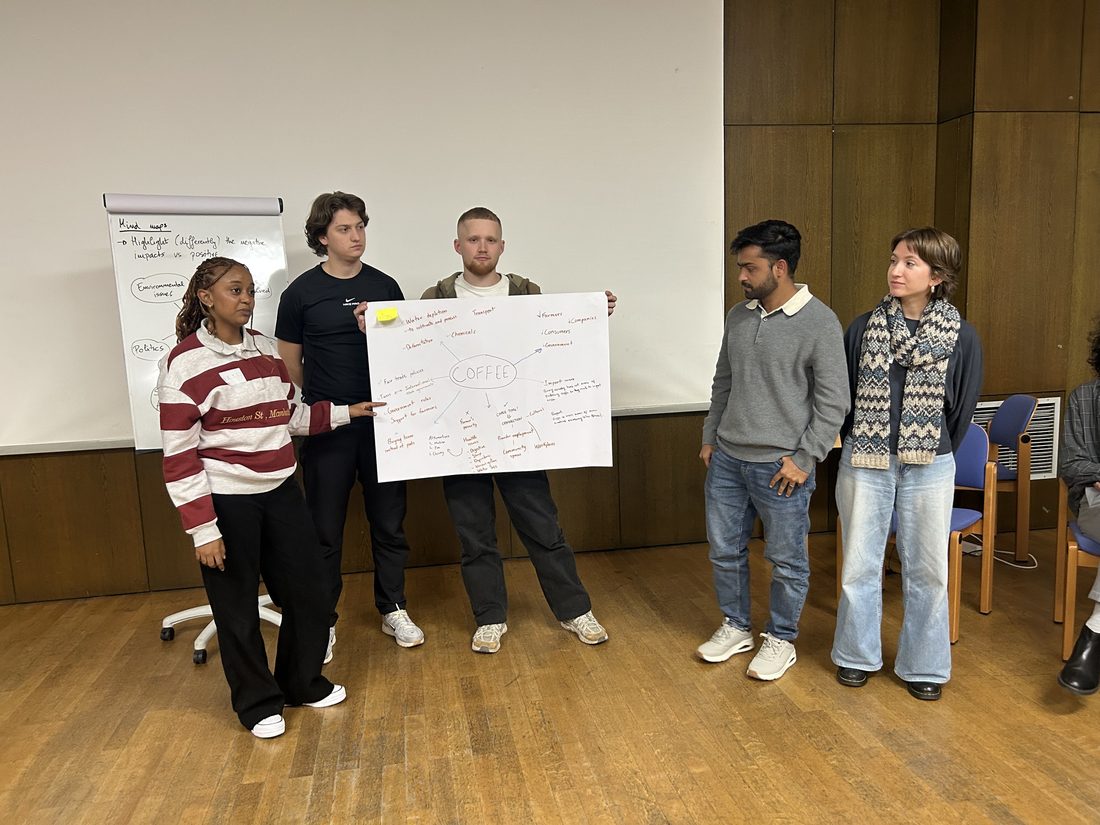
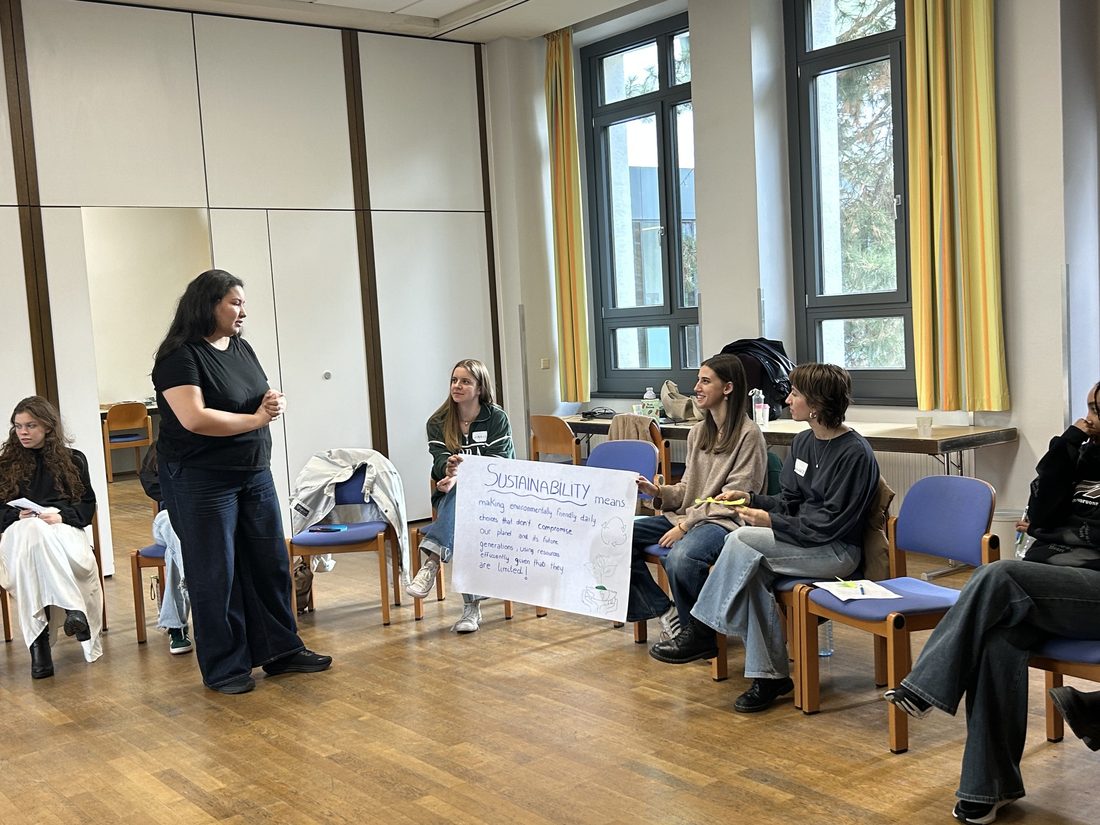
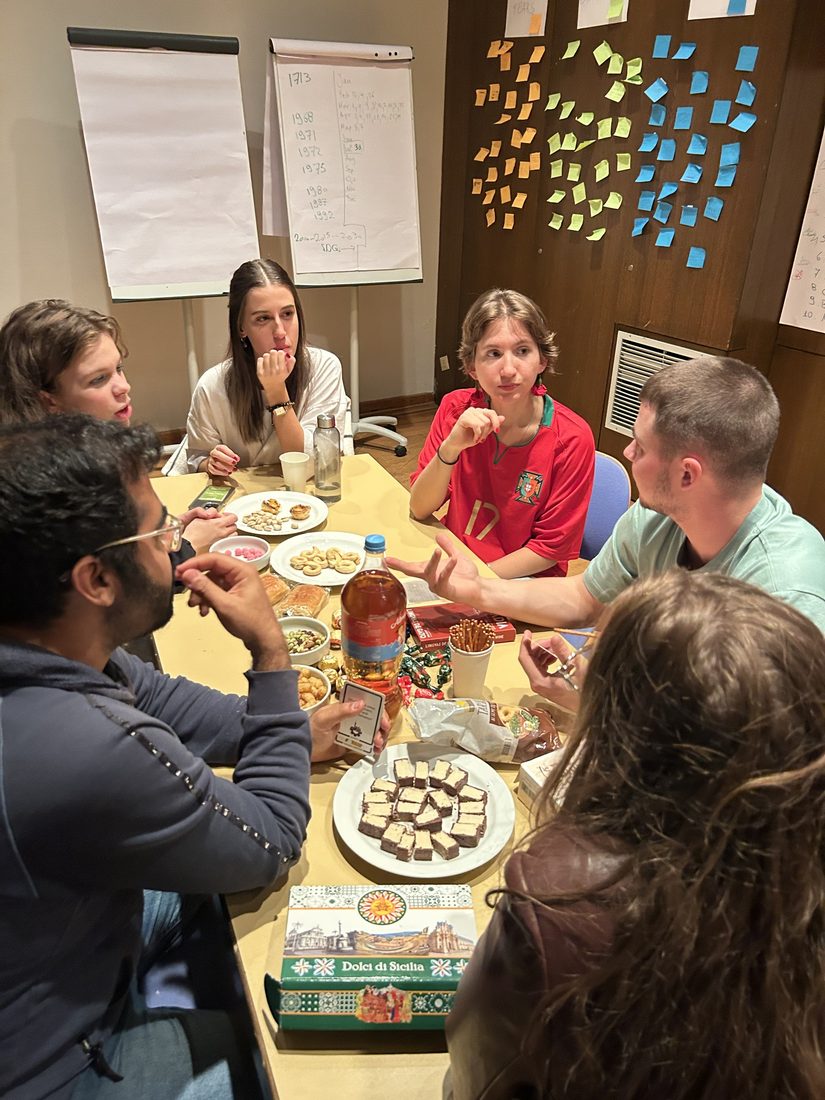
Day 1 – Saturday 24 October. 29 youth workers and youth professionals from Austria, Croatia, Czechia, France, Italy, Latvia and Portugal began by getting to know each other. Each participant drew an eco-life map – the people, places and moments that shaped their relationship with nature, the habits they already practise and where they want to grow – and sharing expectations gave the starting point for a real community of practice. In the afternoon the group compared personal definitions of sustainability with widely used ones that balance environmental, social and economic dimensions, and closed the day by following five everyday foods – tuna, almonds, avocado, chocolate and coffee – from farm to plate.
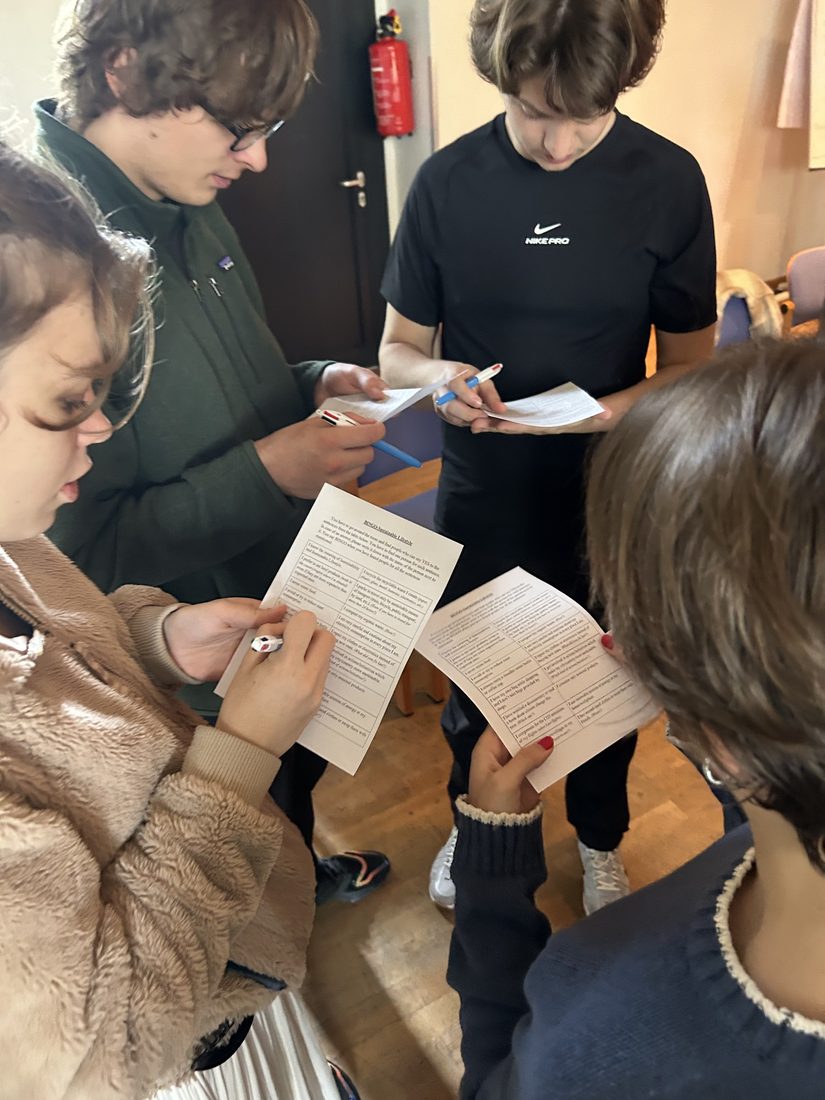
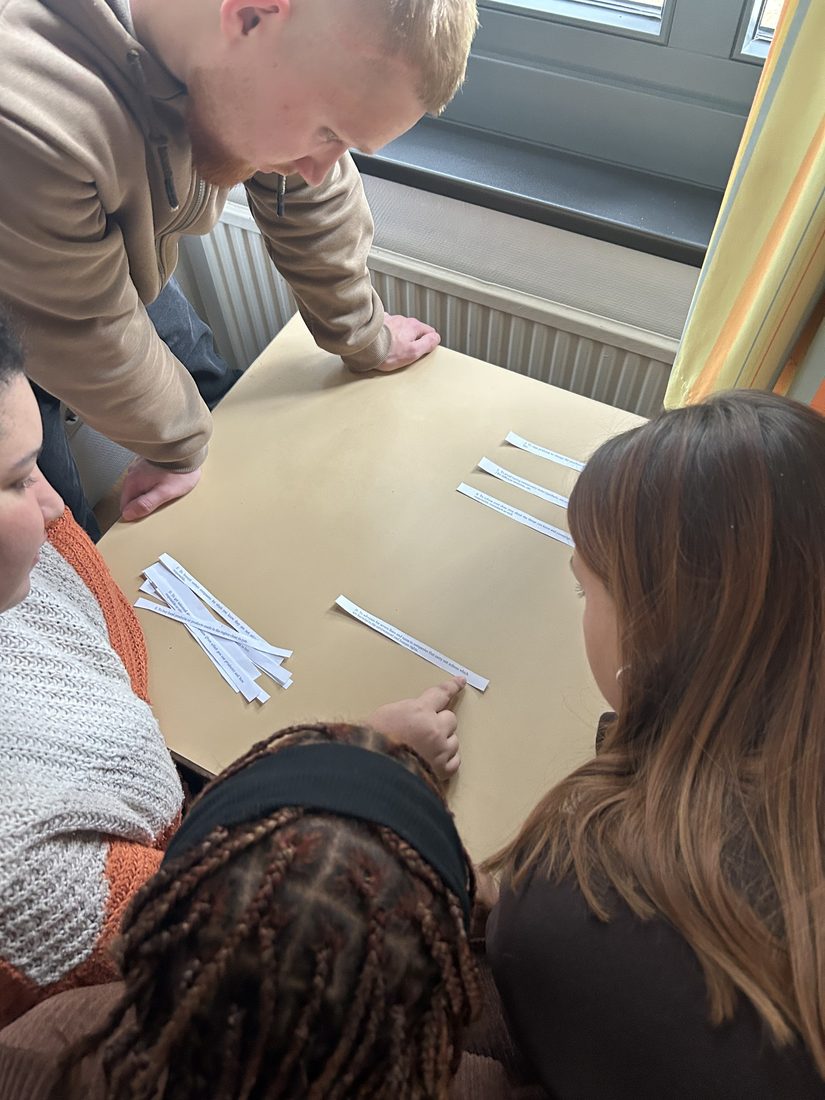
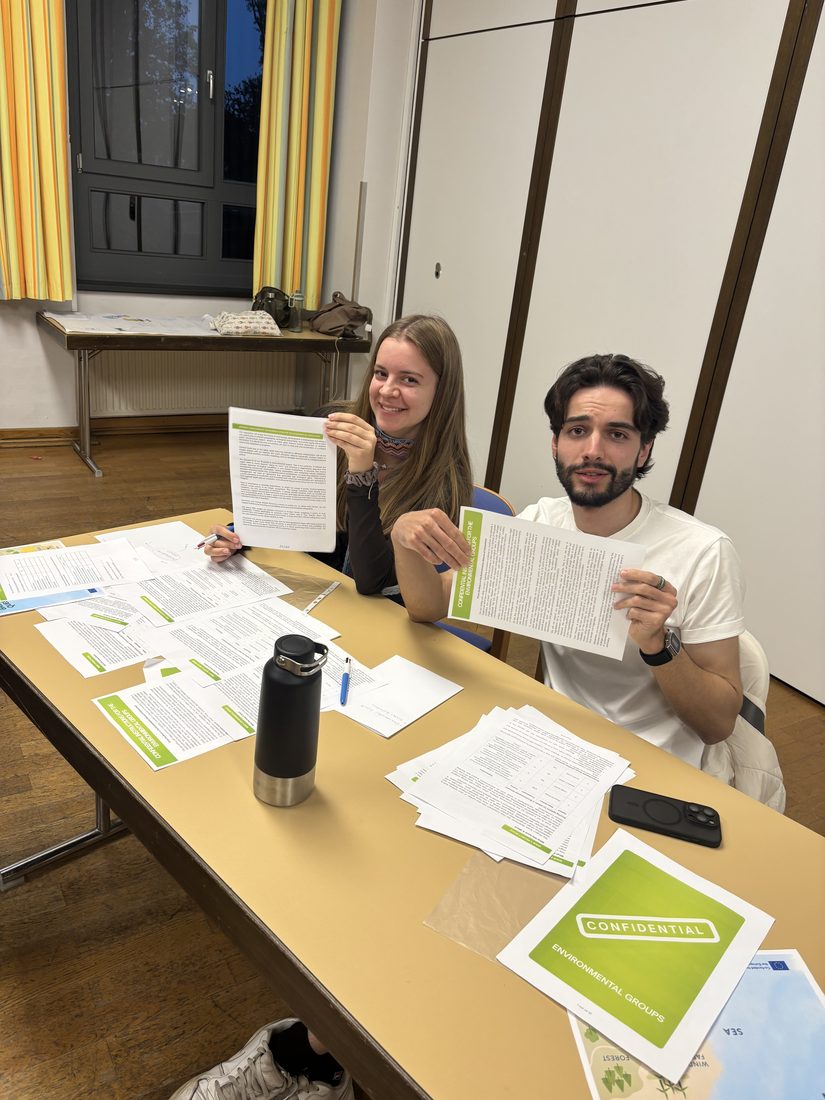
Day 2 – Sunday 25 October. An intense day on fast fashion. Through a role play on the Rana Plaza disaster – the 2013 collapse of a garment-factory building near Dhaka, Bangladesh, which killed more than 1,100 people – participants took the roles of workers, factory owners, brands, consumers and authorities and felt the pressures and power imbalances behind the tragedy. The debrief turned to responsibility: ours as consumers and that of companies. In the afternoon, a World Café on the 17 Sustainable Development Goals was followed by a simulation card game created by the EMOTiC team, showing how a decision in one area affects all the others.
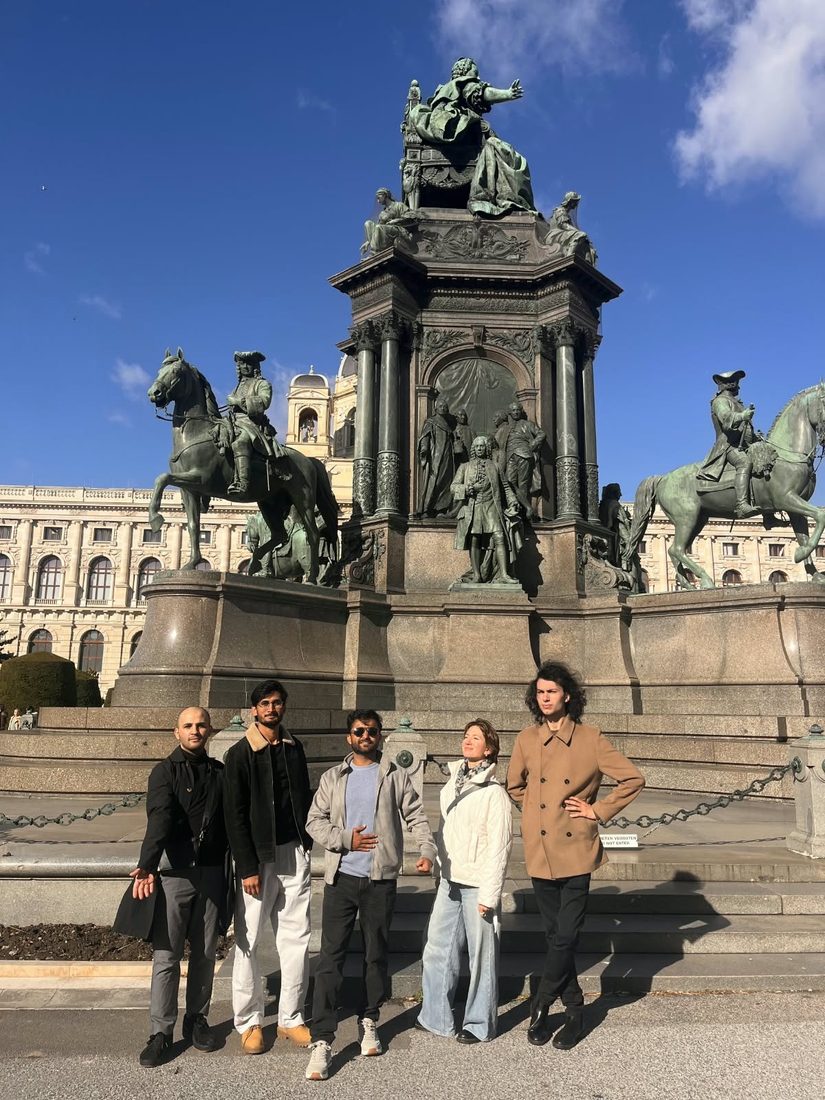
Day 3 – Monday 26 October. Day 3 fell on Austria's National Day, which marks the 1955 declaration of permanent neutrality, so the morning took the group into the city: experiencing the festive atmosphere and looking at Vienna through a sustainability lens – public transport, parks and green spaces, cycling infrastructure, waste separation and drinking water from Alpine springs – and discussing which solutions could work in their own communities. In the afternoon the group split in two. One half played a negotiation simulation, representing stakeholders with competing interests who had to build alliances and find compromises on sustainability issues; the other explored the water footprint of everyday products – around 140 litres for a cup of coffee, 2,700 litres for a cotton T-shirt and 15,000 litres for a kilogram of beef.
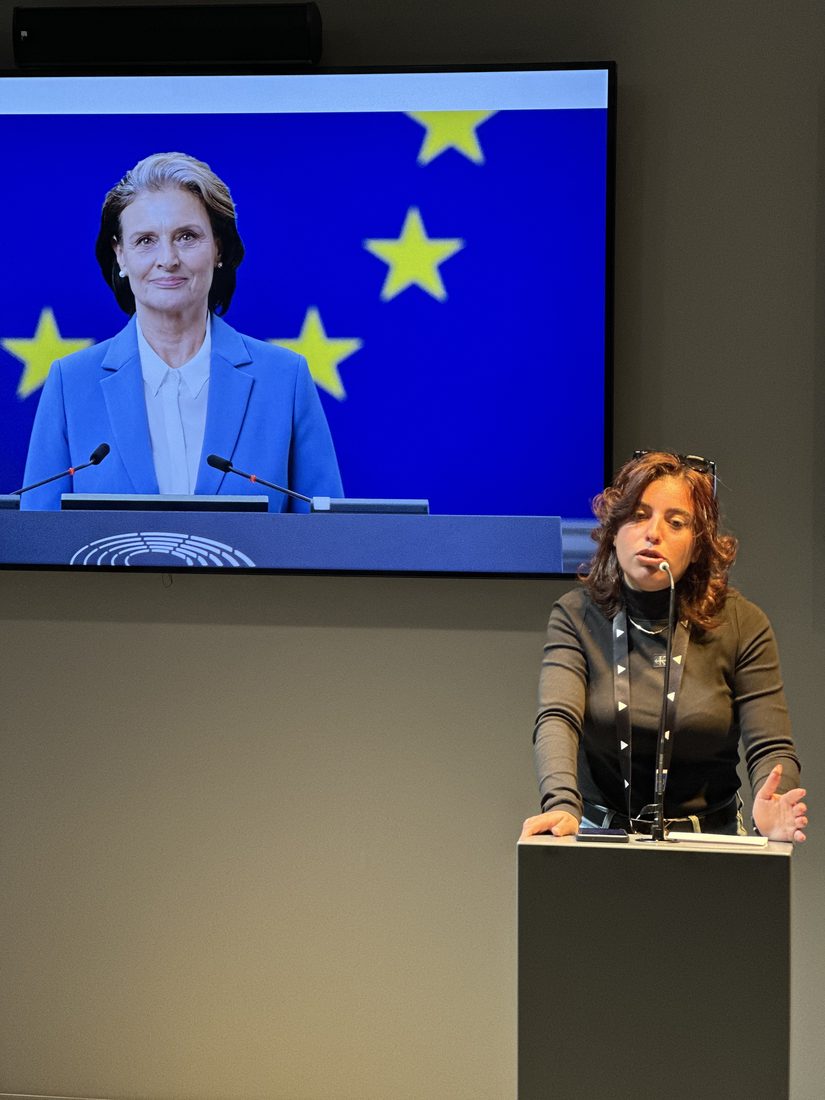
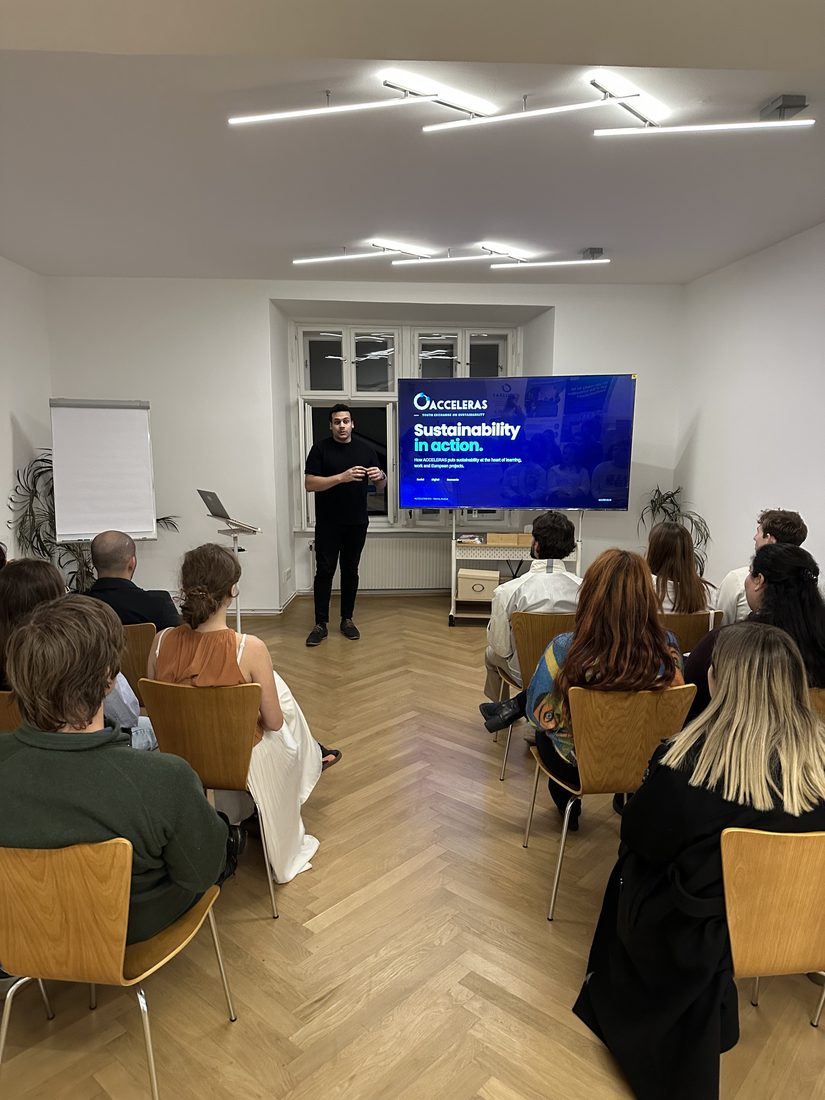
Day 4 – Tuesday 27 October. The focus turned to the participants' role as facilitators. The morning explored non-formal education methods – simulations, role plays, World Café, debates, case studies, creative and outdoor activities – and which works best for which problem, target group and learning objective, followed by a discussion on how values such as respect, inclusion, participation and responsibility should guide every step of a workshop, from planning to evaluation. In the afternoon, participants became Members of the European Parliament in an EU simulation, debating, negotiating and voting on proposals across political groups and countries. The day ended with a visit to the ACCELERAS office, where the sustainability projects currently being implemented were presented.
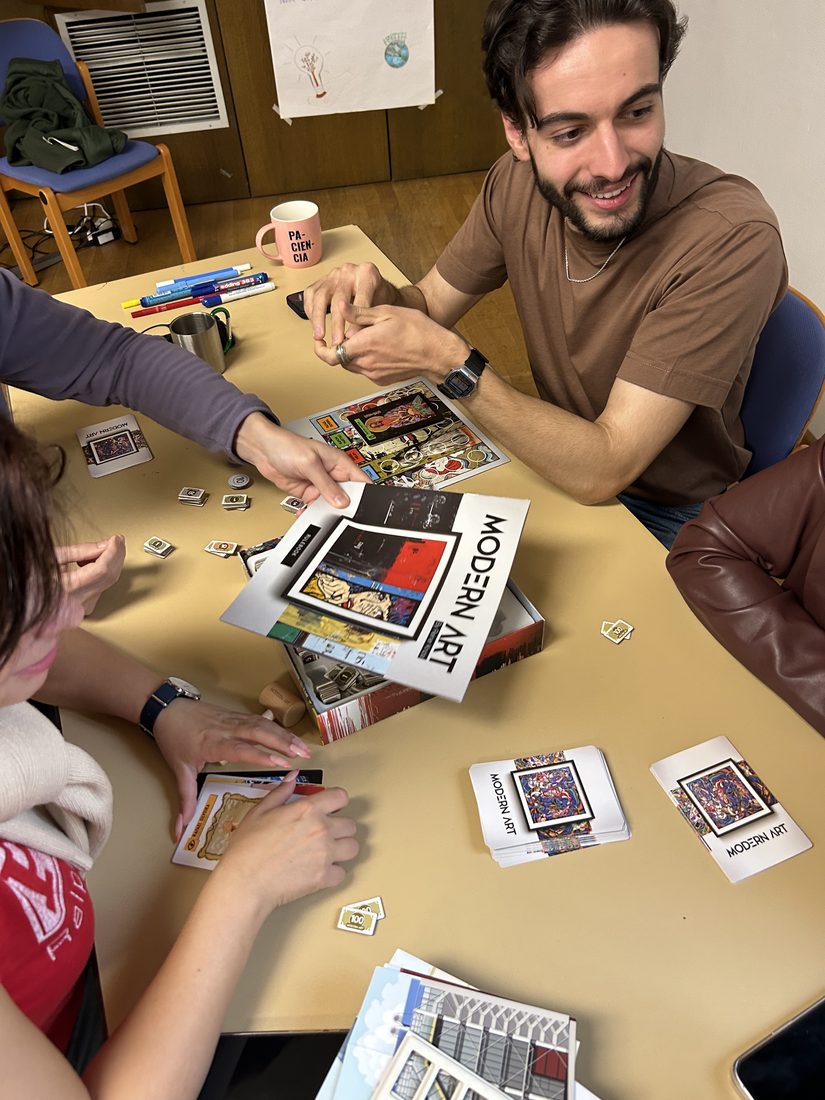
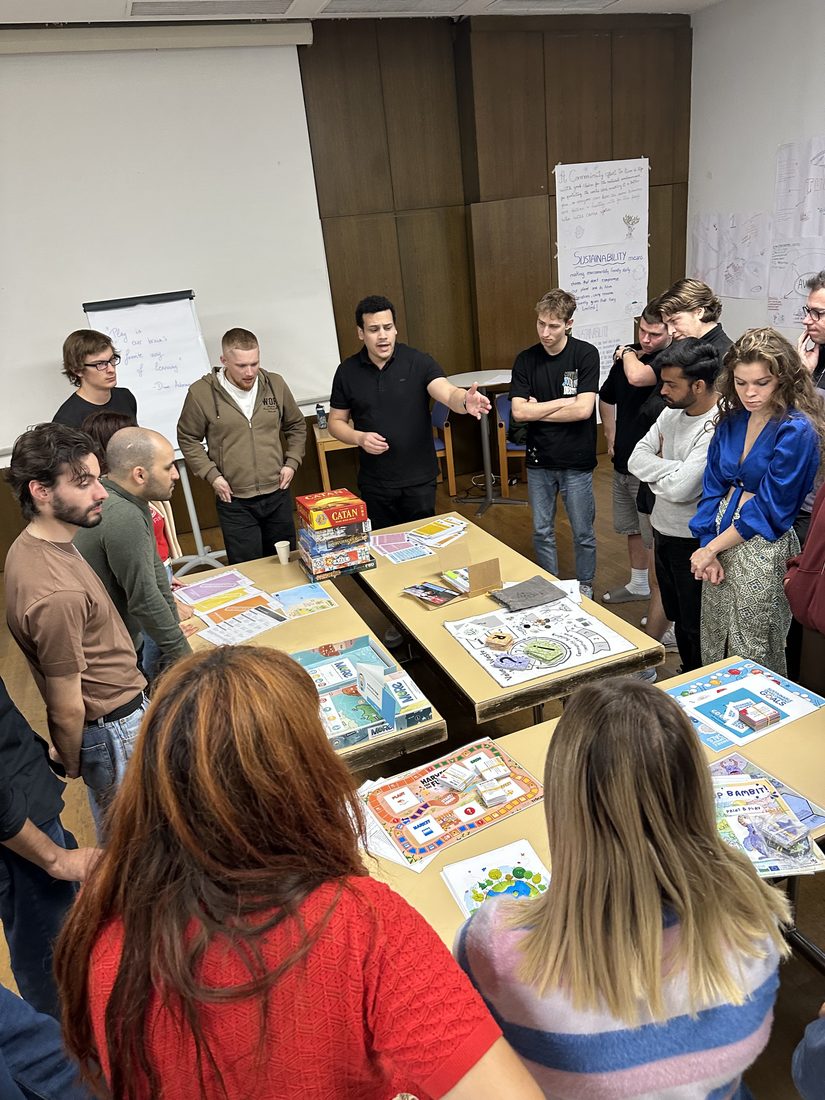
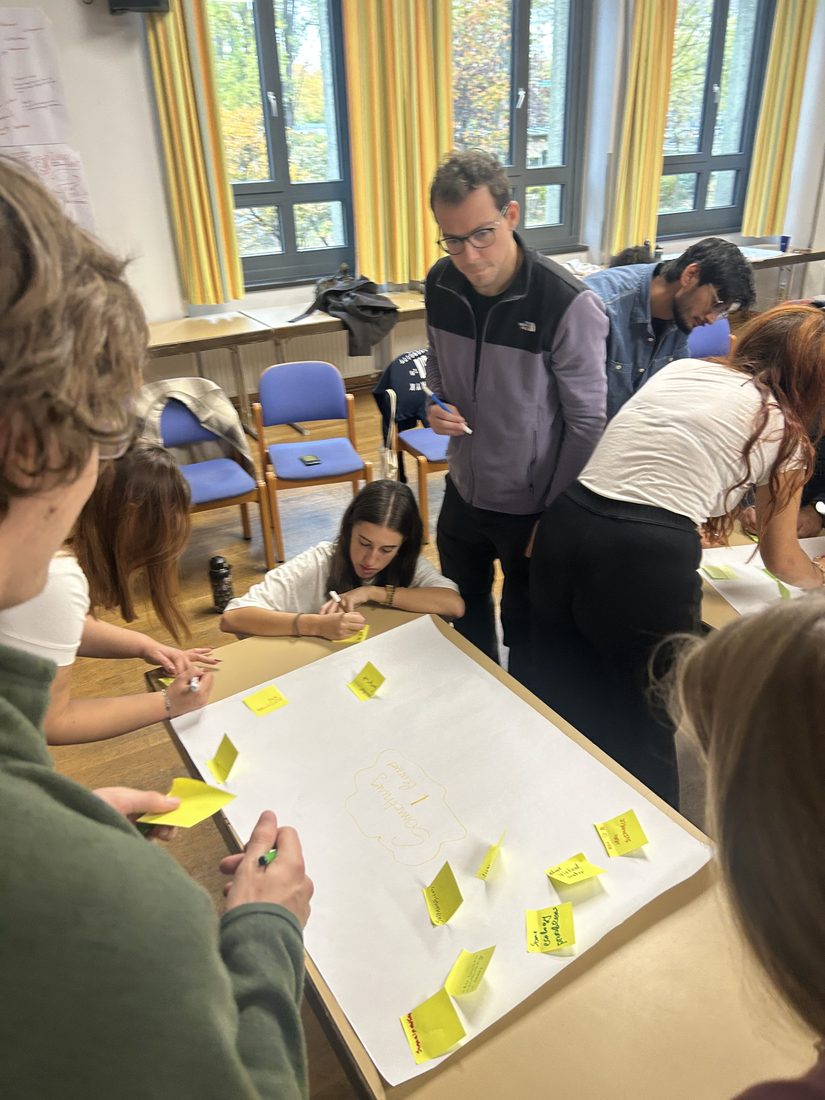
Day 5 – Wednesday 28 October. From ideas to action. In the morning, participants worked in small teams to develop their own sustainable startup concepts – initiatives responding to real environmental and social challenges in their communities. Each team defined its goal (the problem to solve and the change to achieve), its strategy (target group, main activities, resources, partners and how to stay sustainable, both environmentally and financially) and its community impact, including how to involve citizens and especially young people, before presenting the idea and receiving feedback from peers and facilitators. The afternoon was dedicated to the Game Tool Fair, a marketplace of educational games and workshop methods: participants moved between stations, tested the tools and assessed which ones best address local sustainability issues in their own countries, how to adapt them to different target groups and how to combine them into effective educational activities.
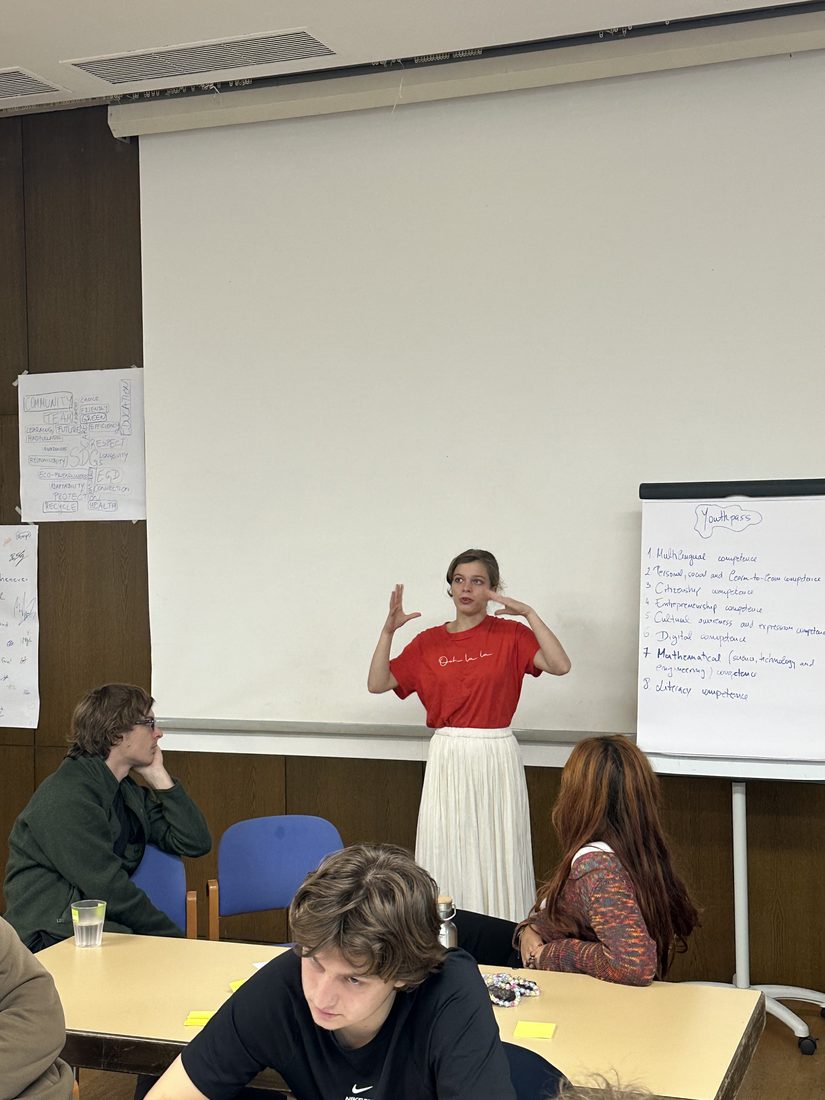
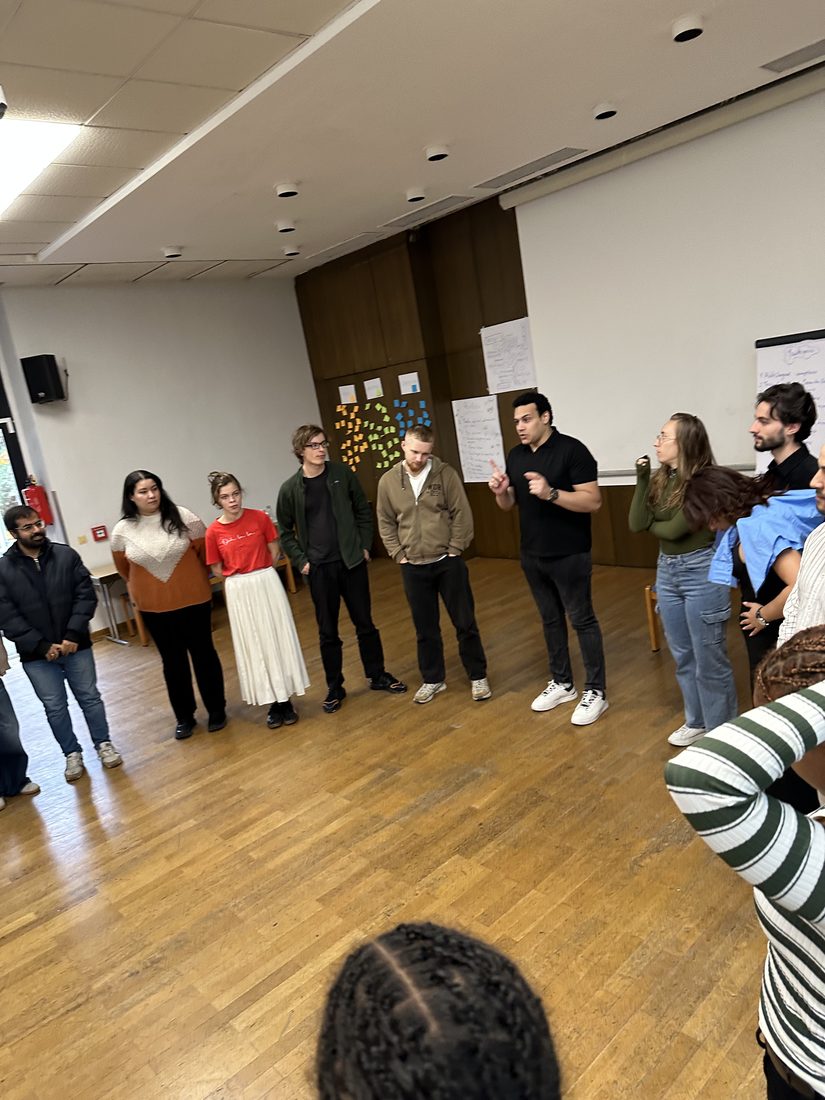
Day 6 – Thursday 29 October. The final day looked back on the whole week. A Memory Lane gallery walk displayed one flipchart per day – from the eco-life maps, food analysis and Rana Plaza role play to the SDGs, Vienna and the water footprint, the EU simulation, sustainable startups and the Game Tool Fair – and participants silently added sticky notes as roots (what they had learned), leaves (what inspired or surprised them) and seeds (ideas to take home), followed by a discussion and feedback on the programme. Starting from their roots, they then linked their experiences to the key competences for lifelong learning that Youthpass makes visible. Building on their seeds, each participant drafted a local follow-up plan with goals, target groups, methods and first steps – from sustainability workshops using methods and games from the training to awareness activities on fast fashion, food and water consumption and the further development of their startup ideas. The training closed with a farewell circle and the Youthpass ceremony.
Background
Sustainability Empowerment Community of Practice is an Erasmus+ training course for youth workers, funded through the Austrian National Agency OeAD, with EMOTiC as coordinator and host. It brings together 29 youth workers and youth professionals from Austria, Croatia, Czechia, France, Italy, Latvia and Portugal in Vienna from 23 to 30 October 2026 to build green skills, strengthen climate action in youth work and create a community of practice that lasts beyond the training itself.
Climate and the environment have ranked among the top concerns of young people in Europe for years. Yet many young people feel overwhelmed by how complex these topics have become – from climate misinformation and greenwashing to supply-chain ethics and e-waste – and climate anxiety is rising. Youth workers are the people who can help them turn that concern into informed, constructive action. In preparatory consultations with our partner organisations, youth workers described three gaps: few interactive tools such as board games, simulations or structured workshop formats; little training in moderating sensitive topics such as misinformation, climate anxiety and greenwashing; and few structured chances to swap proven methods with peers from other countries. The course responds to all three.
A community of practice is a group of people who share a concern and learn to address it better by exchanging experience regularly. This idea is the backbone of the course. Rather than treating the training as a one-off event, it aims to connect youth workers who face similar questions in different countries, so that they can share what works, test new tools together and keep supporting each other once they are back in their own organisations. Since sustainability looks different in each country, the exchange between participants is itself a key source of learning.
The course follows EMOTiC’s earlier work on sustainability in youth work, including the training courses Gamification for Environmental Sustainability, Transformative Mindset for Sustainable Development and Revitalizing Ecosystems Through Experientialisation, and the youth exchanges Plant the Future and ECOuprising. It contributes to the Erasmus+ priority on the environment and the fight against climate change, and to the European Youth Goal of a Sustainable Green Europe.
Learning experience
In line with EMOTiC’s approach to non-formal education, learning is active and based on experience rather than lectures: you take part in an activity, reflect on it and turn it into practice for your own context. Every input is linked to the question “how would I use this with young people?”. Participants are co-creators, not only learners – you lead morning energisers, present your own favourite method at the Toolfair and help shape a roadmap for future cooperation.
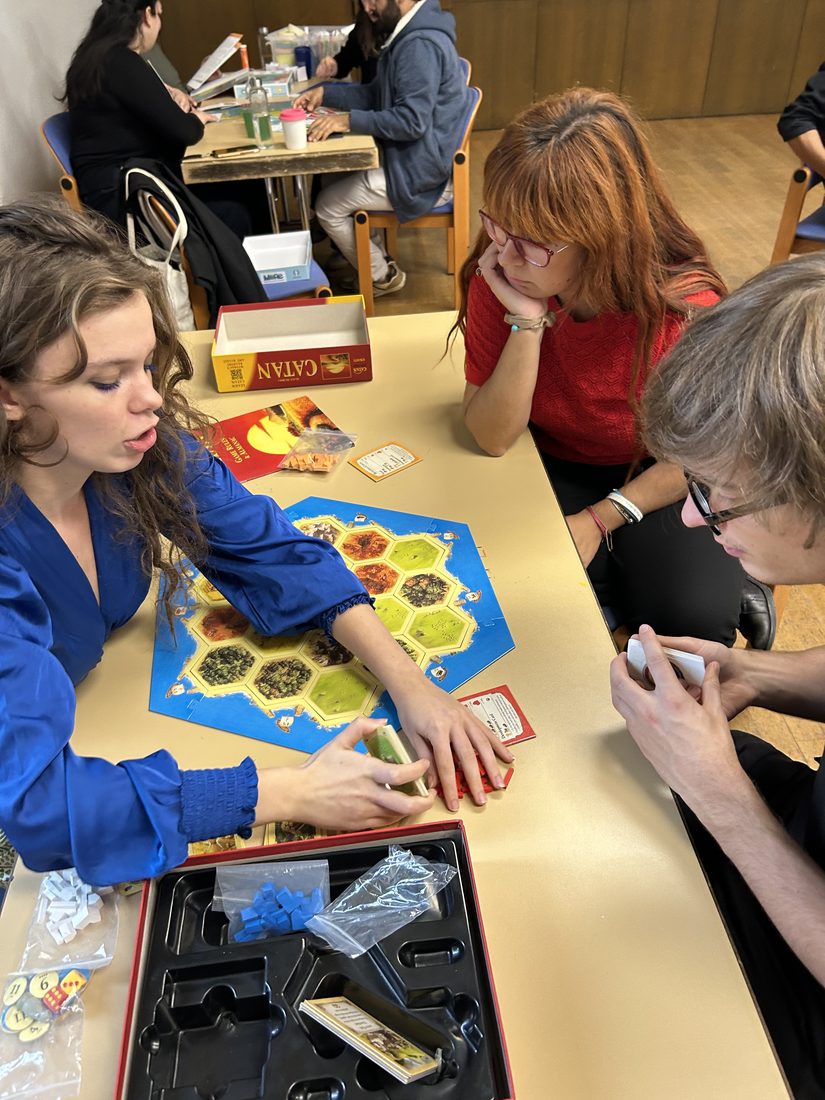
Methods include World Café, myth-busting challenges, product research in small groups, values ranking, online footprint calculators, the SDG Intelligence cards and a curated selection from our collection of more than ten sustainability board games. You play and analyse three simulation games – Checkmate (developed by EMOTiC), GreenQuest and a sustainability governance simulation – and visit an EU site in Vienna.
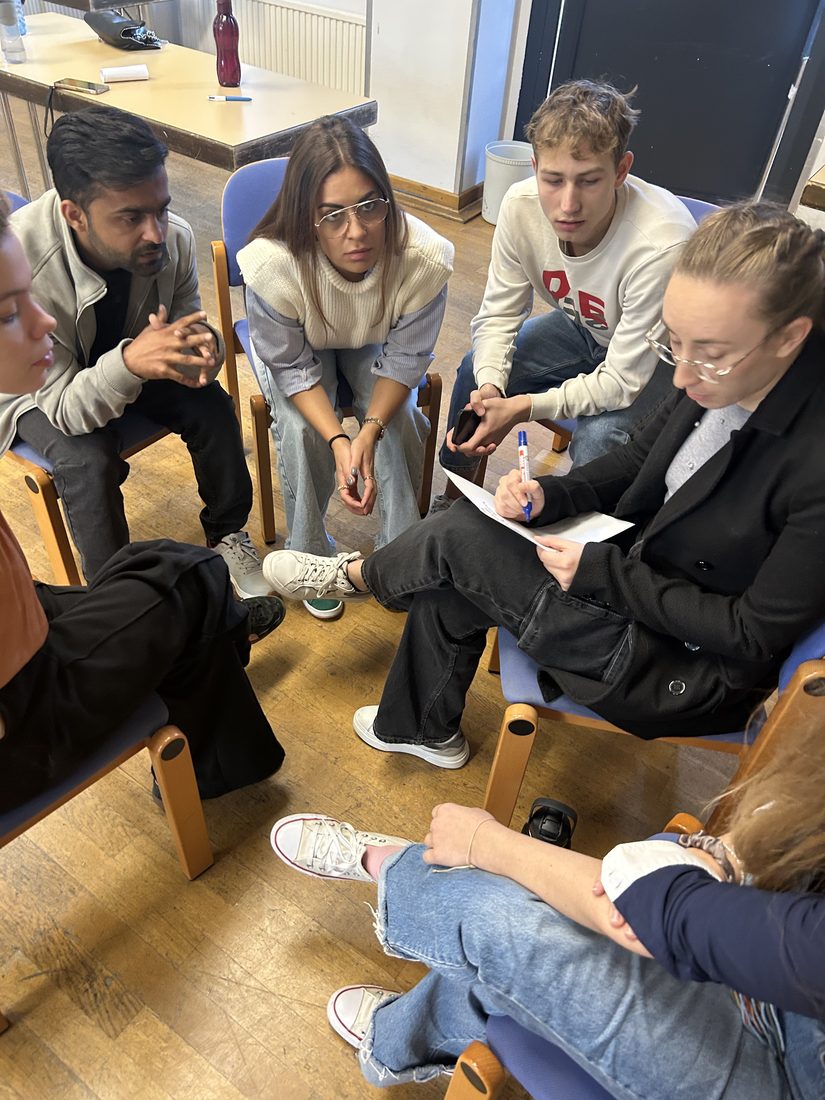
Mixed-nationality home groups meet every evening to reflect on the day, each participant has a learning buddy from another country, and a personal learning journal feeds into your Youthpass. You leave with a portfolio of around 28 methods collected at the Toolfair, practical techniques for moderating contested topics, your own local follow-up plan and an international network of peers. The working language is English.
Programme at a glance
Friday 23 October – arrival day: arrivals from 10:00, check-in, welcome dinner and welcome circle.
Day 1, Saturday 24 October – foundations of non-formal education: introductions and team building, the project framework and the Toolfair, learning goals, home groups, experiential learning and facilitation.
Day 2, Sunday 25 October – critical climate information: climate misinformation and media literacy, climate anxiety and emotional wellbeing, the Myths Busting Challenge and the Checkmate climate governance simulation.
Day 3, Monday 26 October – climate and social justice: product research workshop, responsible consumption and values ranking, the GreenQuest simulation game and a sustainability board games evening.
Day 4, Tuesday 27 October – footprints, SDGs and study visit: ecological and water footprints, the SDG Intelligence cards and a study visit to an EU site in Vienna.
Day 5, Wednesday 28 October – Toolfair and board games: two Toolfair rounds, reflection and tool adaptation, and a board games deep dive.
Day 6, Thursday 29 October – simulation, action planning and closure: sustainability governance simulation, individual action planning, partnership roadmap, Youthpass certificates and farewell evening.
Friday 30 October – departure day: breakfast, check-out and departures. The programme is provisional and may be adapted to the group.
Profile of participants
You live in one of the participating countries – Austria, Croatia, Czechia, France, Italy, Latvia or Portugal – and are selected by the partner organisation of your country.
You are aged 24 to 35.
You work actively with young people – as a youth worker, trainer, facilitator or youth leader – and have some experience of interactive or non-formal learning activities.
You are interested in sustainability, green skills and climate action in youth work, and you want to keep exchanging with colleagues after the course.
You can work in English at least at B2 level – all sessions are in English.
You are available for the whole training, from arrival on 23 October to departure on 30 October 2026.
You are ready to prepare and present one educational tool at the Toolfair.
You are committed to implementing a local follow-up activity with young people after the training and to sharing the results.
You are ready to support dissemination and visibility activities online and offline.
You are curious to learn and you appreciate diversity in every sense.
Costs
There is no participation fee. The programme, accommodation, meals and materials are covered by the Erasmus+ Programme of the European Union.
Travel to and from Vienna is reimbursed on the basis of actual costs, up to these limits per person for the return journey: Croatia and Czechia €285 with green travel (train, bus or car-sharing in both directions; €211 otherwise); France, Italy and Latvia €309; Portugal €395. Participants from Austria receive no travel grant.
Costs above these limits are your own or your organisation’s contribution: the Erasmus+ grant is a contribution towards participation costs, not full funding of the activity.
Travel dates are Friday 23 October (arrival) and Friday 30 October 2026 (departure). Other dates must be agreed with EMOTiC in advance; extra nights are at your own cost.
Send your proposed route and its cost to emotic.org(@)gmail.com and buy your tickets only after approval.
Only international travel to and from Vienna is reimbursed. Local transport – between the airport or station and the venue, and within Vienna – is your own contribution.
Keep all e-tickets, boarding passes, invoices and proof of payment and send them by 13 November 2026. The refund is paid by bank transfer once your local follow-up activity has been implemented and documented.
Participation rules and conditions
Fill in the online application form by Tuesday 20 October 2026 and let the partner organisation of your country know that you have applied.
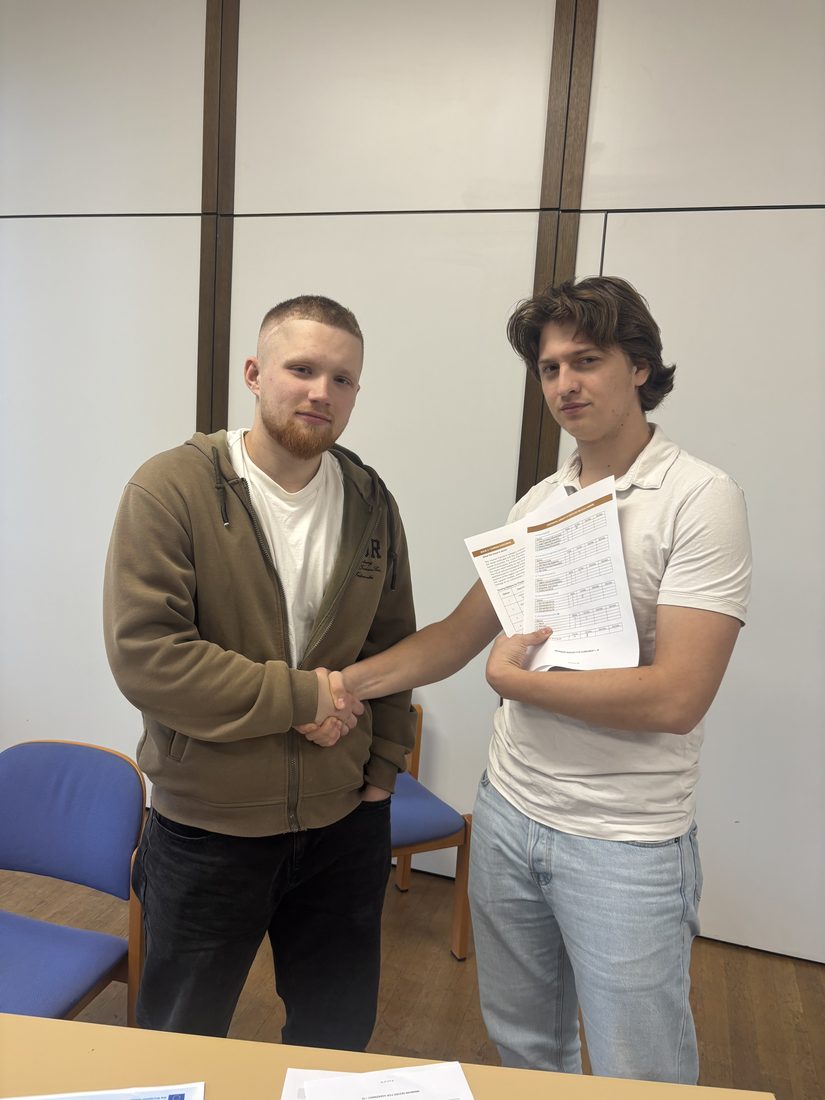
Once selected, sign the participation agreement and share a copy of your passport or ID card with your sending organisation.
Complete the pre-training questionnaire and join the online welcome meeting on 21 or 22 October.
Prepare your Toolfair tool – an energiser, workshop format, game or reflection method, ideally linked to sustainability – to present in 5–7 minutes at rotating stations, with any materials you need and a short written description.
Prepare 15–20 minutes of something interactive from your country for the intercultural evening, together with your national group.
Attend all sessions from arrival on 23 October to departure on 30 October 2026 – full attendance is required for the Youthpass.
After the training, implement at least one local activity with young people by 15 December 2026, document it (attendance list, 3–5 photos and a short report), publish at least one online post and join the online follow-up meeting.
Respect the house rules of the venue: no smoking anywhere inside the building (the hostel charges a €700 penalty for smoking in the rooms), quiet hours from 22:00, and no alcohol or drugs during the activity at the venue.
Key dates
Tuesday 20 October 2026: application deadline.
Wednesday 21 October: selection confirmed by e-mail; participation agreement signed and ID copy sent.
As soon as confirmed: proposed route and cost sent to EMOTiC; tickets bought only after approval.
21–22 October: online welcome meeting (time and link by e-mail).
23–30 October: arrival in Vienna on Friday 23 October, training course from Saturday 24 to Thursday 29 October, departure on Friday 30 October.
By Friday 13 November: travel documents sent to EMOTiC.
Late November – early December: online follow-up meeting.
By Tuesday 15 December 2026: local follow-up activity implemented and documented.
Other important remarks
Each country has 4 places. Places are confirmed by the partner organisation of each country together with EMOTiC, based on motivation, profile and the balance of the group; national groups are gender-balanced and include participants with fewer opportunities.
The info pack contains the full programme, venue details, travel rules and a checklist – please read it before applying.
Bring your passport or ID card (needed for the study visit) and your European Health Insurance Card (EHIC). Travel insurance is recommended.
If anything could make your participation more difficult – accessibility, health, dietary needs, travel or personal circumstances – write to us and we will look for a solution together with you and your sending organisation.
All participants who attend the whole programme receive a Youthpass certificate and a certificate of participation from EMOTiC.
The training course is taking place in Vienna from 23 to 30 October 2026 with 29 youth workers from seven countries. Follow the daily updates on our social media channels, and write to us if you would like to hear about the next call.
Co-funded by the Erasmus+ Programme of the European Union through the Austrian National Agency OeAD. Participation is free of charge; accommodation, meals and the programme are covered and travel is reimbursed up to a ceiling.
Venue and accommodation
The activity takes place at the Jugendgästehaus Wien Brigittenau, a youth guest house about 15 minutes from the city centre by public transport. Training sessions, accommodation in shared rooms and full board are all at the same venue. The address and arrival instructions are in the info pack.
Want to join a project like this?
Tell us a little about yourself and we will let you know when the next call opens.